Is Boiling Water The Same As Filtered Water

Let’s be real for a second: most of us don’t think twice about the water we drink. We fill up a kettle, hit the button, and pour it over a tea bag without a second thought. Bu...
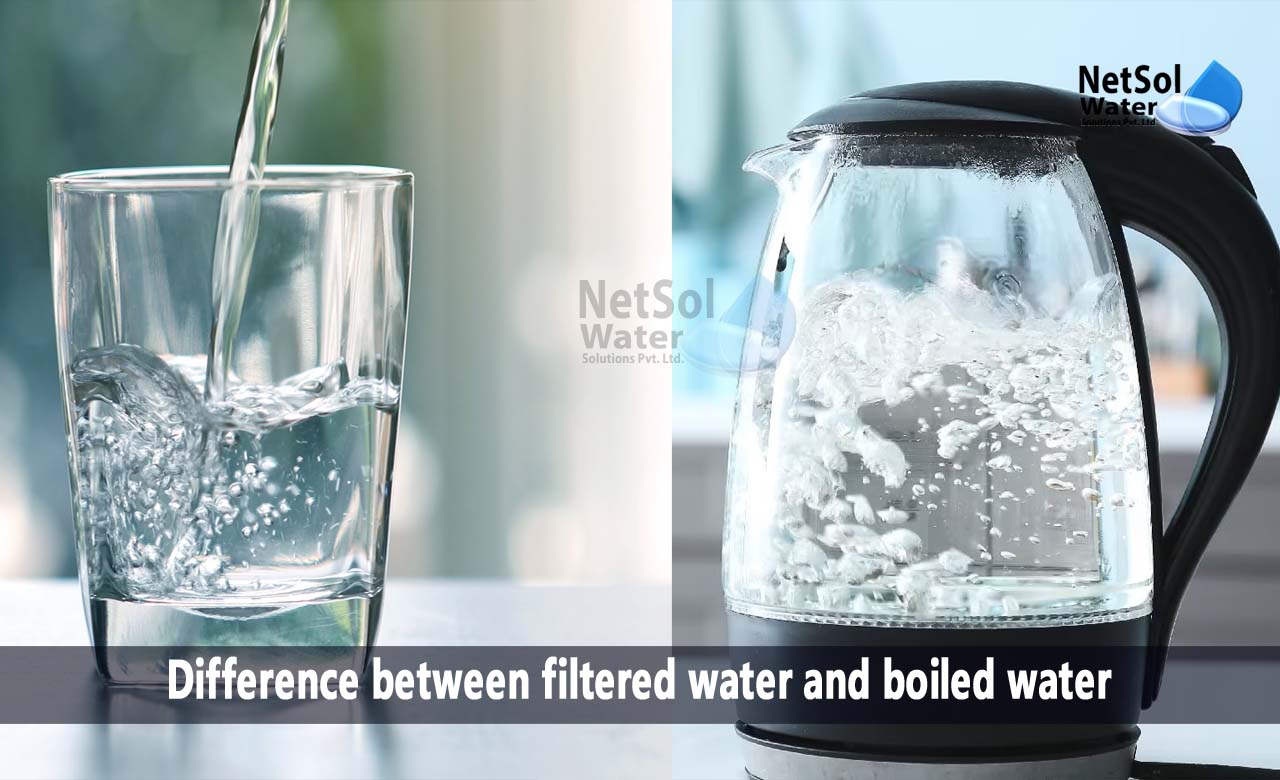
Let’s be real for a second: most of us don’t think twice about the water we drink. We fill up a kettle, hit the button, and pour it over a tea bag without a second thought. But then someone asks a simple question: Is boiling water the same as filtered water? And suddenly, you’re standing in your kitchen staring at a steam cloud like it’s a mystery novel.
The short answer is no, they are not the same. Think of boiling as a quick fix and filtering as a long-term relationship with your water. Boiling kills the nasties—bacteria, viruses, and parasites—but it doesn’t do much for the stuff you can’t see, like lead, chlorine, or that weird metallic taste from old pipes.
Here’s a little story: Last week, my aunt visited and insisted on boiling tap water for her morning coffee. She said, “It’s cleaner this way.” I didn’t argue, but later I noticed her coffee still had that faint swimming-pool undertone. That’s chlorine, my friends—boiling won’t remove it entirely. It actually concentrates some minerals because the water evaporates and leaves the bad stuff behind.
Must Read
What Boiling Actually Does (And Doesn’t Do)
Boiling water is like emergency first aid. If you’re camping and the stream looks sketchy, boil it—you’ll kill off the microbes that make you sick. In a disaster situation, boiling is your superhero. But in your cozy kitchen? It’s a little overkill for day-to-day tap water, unless you have a specific contamination notice from your city.
Here’s the kicker: boiling won’t remove heavy metals like lead, copper, or arsenic. Those guys are tough cookies. They stay in the water even after it bubbles furiously for ten minutes. Imagine boiling a pot of soup and expecting the salt to vanish—that’s not how physics works, and it’s not how chemistry works either.
And about that chlorine: yes, some evaporates during boiling, but not all of it. Plus, if you have old lead pipes in your building, boiling can increase the lead concentration as water volume decreases. So you’re actually making the problem worse in some cases. Yikes.
Filtering: The Slow-and-Steady Hero
Now, filtered water is like sending your water to a spa. It goes through a filter—usually carbon or a more advanced system—that catches things like chlorine, sediment, pesticides, and even some heavy metals. The result is water that tastes clean and smells like nothing. That’s a good thing.
Remember that time you visited a friend’s house and their tap water tasted like a mountain spring? That’s probably a filter. It’s not magic—it’s just removing the stuff that makes water taste like a hospital hallway. Filters don’t kill bacteria (unless you have a UV filter), but for most municipal water, bacteria aren’t the issue.
So, boiling vs. filtering: boiling is for safety, filtering is for taste and peace of mind. You wouldn’t use a fire extinguisher to clean your kitchen counter, right? Each tool has its job.
 Should You Boil The Same Water Twice at Mike Friddle blog
Why You Should Care (And Smile While You Do)
Here’s why this matters for your everyday life. If you’re making a pot of pasta, boiling is great for cooking. But if you’re filling a glass for your kid at lunch, filtered water might be the better bet for avoiding that chemical aftertaste. Also, coffee and tea snobs (like me) will tell you: filtered water makes better drinks. Boiled water still has minerals that can mess with extraction.
Think of it this way: you shower to get clean, but you wouldn’t boil yourself to remove dirt. That’s a silly analogy, but it sticks. Boiling is a sanitation step; filtering is a polishing step. You wouldn’t skip one for the other if you care about the whole picture.
And here’s a fun little truth: most of us don’t need to boil our tap water at all. In developed countries, municipal water is already treated to kill bacteria. So boiling is often redundant unless you have a well or a boil-water advisory. Filters are the upgrade your taste buds deserve.
So What Should You Do?
If you’re nervous about germs—say, after a flood or a power outage—boil your water. Absolutely. No question. But for your morning hydration, consider a simple pitcher filter. It’s cheap, it’s easy, and it makes a world of difference in flavor. You can even boil filtered water if you want the double whammy, but that’s like wearing a belt and suspenders.
Also, let’s talk about the environment. Boiling uses a lot of energy—electricity or gas—every time you fire up that kettle. Filters use zero energy after the initial purchase. So if you’re the kind of person who remembers to turn off lights, filtered water is a little win for your carbon footprint.
In the end, it’s not about perfection; it’s about knowing what you’re drinking. Boiling and filtering are both good tools, but they’re not the same tool. Next time someone asks you, “Is boiled water the same as filtered?” you can smile, pour them a glass of filtered water, and say, “Nope, but I’ve got both, so you’re covered.”
Now go hydrate—and maybe stick a filter on your fridge. Your taste buds will thank you.
