Activated Charcoal Whole House Water Filter

So, you’ve been thinking about your tap water, right? Maybe it tastes a little funny, or you’ve noticed your morning coffee has that faint “swimming pool” vibe. You’ve probabl...
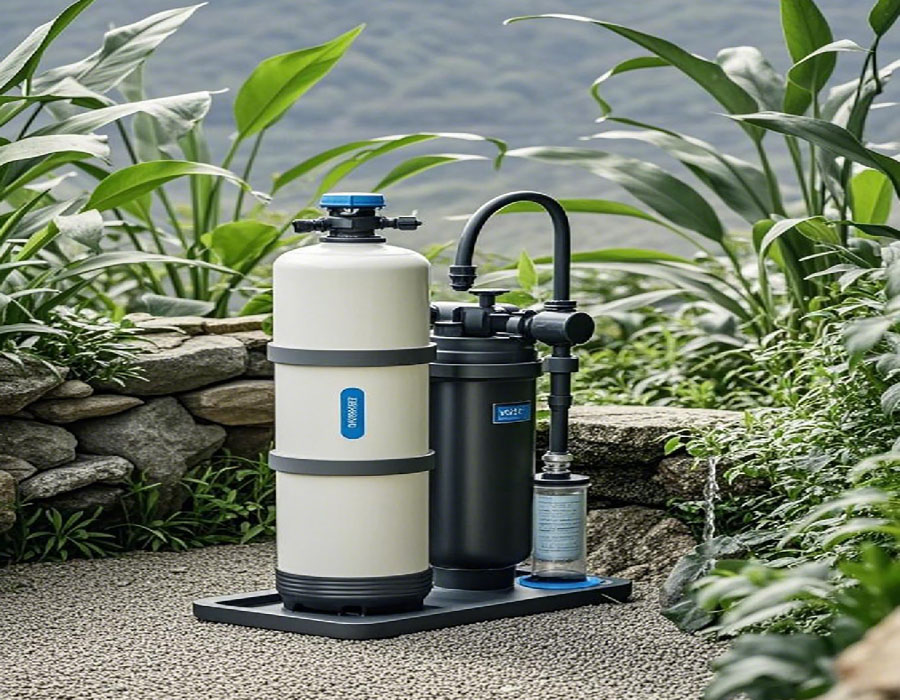
So, you’ve been thinking about your tap water, right? Maybe it tastes a little funny, or you’ve noticed your morning coffee has that faint “swimming pool” vibe. You’ve probably seen those pitcher filters in the fridge, but have you ever wondered what a whole house water filter could do?
Let’s talk about one of the coolest, most old-school yet futuristic methods out there: activated charcoal. It sounds like something from a sci-fi movie, but it’s actually just charcoal that’s been “woken up” to be super porous. Imagine a sponge that has a million tiny caves inside—that’s activated charcoal, ready to trap all sorts of unwanted stuff.
Why whole house? Isn’t the faucet filter enough?
Good question! Think of your home like a giant coffee maker. A faucet filter is like only cleaning the coffee mug, while a whole house system is like filtering the entire water reservoir before it even hits the pot. It treats every single drop that enters your pipes.
Must Read
That means the water in your shower, your washing machine, and your toilet tank all get the same VIP treatment as your drinking glass. Ever notice how your skin feels a bit itchy after a shower? Or how your laundry whites look dingy? That’s often from chlorine and other chemicals in unfiltered city water.
Activated charcoal is a master at grabbing onto chlorine, volatile organic compounds (VOCs), and those weird tastes that make water taste “flat.” It’s like a bouncer at a club, only letting the clean, pure water molecules through while kicking the bad stuff to the curb.
It’s like having a magic eraser for your whole plumbing system
You know how a simple sponge eraser can remove a crayon mark from your wall? Activated charcoal does that, but for your water. The surface area of just one gram of activated charcoal can be as big as a football field. Seriously. That’s an insane amount of space to grab onto impurities.
When water flows through it, the charcoal adsorbs (not absorbs) the bad guys—they stick to its surface like Velcro. It gets rid of smells that make you wince, like the rotten egg scent from sulfur or the metallic tang from old pipes. Suddenly, your ice cubes don’t taste like your freezer anymore.
But wait—does it remove the good stuff?
Here’s the fun trade-off: activated charcoal isn’t picky about everything. It doesn’t remove minerals like calcium and magnesium, which are actually good for you and give water that nice, “hydrating” feel. It mostly targets the organic compounds and chemicals that are not your friends.
Think of it like a bouncer who only kicks out troublemakers but lets the friendly regulars stay. Your water keeps its healthy minerals while losing the chlorine taste that makes it seem like you’re drinking from a public pool. Pretty neat, huh?
Installation: Is this a weekend project?
Don’t panic—this isn’t a “build a rocket” kind of job. Most whole house systems with activated charcoal are designed to be installed by a plumber or a confident DIYer. You attach the big carbon tank to your main water line, usually in the basement or garage.
 Amazon.com: IPW Industries Inc. - Activated Charcoal Water Filter (P
It’s a bit like adding a giant, sophisticated water jug to your home’s “front door.” Once it’s set up, you forget about it for months. The system just quietly works, filtering every gallon that comes through. No batteries, no electricity—just pure, passive chemistry doing its thing.
The only maintenance? You might have to replace the carbon media every few years, depending on your water usage. But compared to buying plastic pitchers and filters every month, it’s a huge time and money saver in the long run.
What about the environment?
Here’s another cool point: using a whole house charcoal filter can slash your plastic waste. How many of those blue filter cartridges or single-use plastic water bottles have you tossed? With a whole house system, you ditch the plastic altogether and have clean water straight from the tap.
Plus, activated charcoal is usually made from renewable materials like coconut shells or wood. So you’re not just filtering your water—you’re also giving a gentle high-five to the planet. Boom—clean water and a cleaner conscience.
Should you jump in?
If your water tastes like a chemist’s lab, or if your skin feels dry after showers, it’s definitely worth looking into. Activated charcoal is one of the most natural and effective ways to improve your home’s water quality without turning your house into a chemistry set.
It’s not a miracle cure (it won’t remove heavy metals or fluoride unless combined with other media), but it’s amazing at what it does. For most people, it transforms their daily experience—from better-tasting tea to softer hair and brighter laundry.
So, ready to give your whole house a sip of the good stuff? Your water bottle is waiting. And this time, it’s going to taste like actual water, not a pool filter.
