East Texas Water Well Drilling Cost Per Foot

So, you’re thinking about drilling a water well in East Texas? Welcome to the adventure! You’ve probably heard the whispers about “cost per foot,” and maybe your eyes glazed o...
So, you’re thinking about drilling a water well in East Texas? Welcome to the adventure! You’ve probably heard the whispers about “cost per foot,” and maybe your eyes glazed over. Let’s be honest—talking about drilling costs sounds about as fun as watching paint dry. But stick with me, because this is actually about gaining your freedom from the water bill.
What’s the Deal with East Texas Water Well Drilling Cost Per Foot?
Here’s the good news: East Texas is blessed with some of the most abundant groundwater in the country. You’re not drilling on Mars; you’re drilling into a natural sponge. The average cost per foot in this region typically ranges from $30 to $50 for a standard residential well. That’s right—less than a nice dinner out for every foot of independence you gain.
But why the range? Great question! The final price tag depends on a few fun factors: the depth to the aquifer, the type of soil (sand is a dream, clay is a workout), and whether your driller hits any surprise rocks. Think of it like a treasure hunt, but the treasure is clear, cold water.
Must Read
Breaking Down the Dollars (Without the Headache)
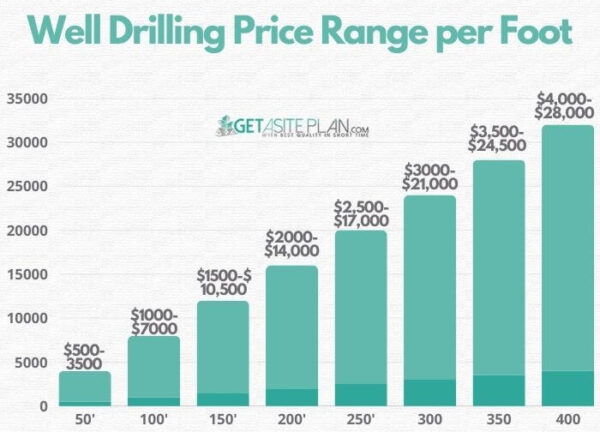
Let’s get specific. A typical well in East Texas goes down 100 to 400 feet. If your cost per foot lands at $40, a 200-foot well runs about $8,000. That’s a one-time investment for decades of water—no monthly city bill, no surprise rate hikes.
You also need to budget for the casing, the pump, and a bit of electrical work. But here’s the kicker: most drillers include the first 50 feet of casing in that per-foot price. Always ask for a package quote, because surprises are only fun on birthday cakes, not on invoices.
Why This Makes Life More Fun (Seriously!)
Imagine never worrying about a drought restriction again. You can water your tomato plants at 3 PM in July if you want—your well, your rules. It’s like having a secret lake under your backyard, and you own the key. Plus, East Texas well water tastes incredible—it’s naturally filtered through limestone and sand.
And let’s not forget the kitchen table pride. When your neighbor complains about their $200 water bill, you just smile and sip your well-water coffee. Drilling your own well turns you into a local hero. “You have a well? Wow, you’re basically living off the land!”
Smart Moves Before You Dig
First, get a free estimate from at least three licensed drillers. East Texas has plenty of experienced crews who know exactly where the water hides. Ask them for a “per-foot, turnkey” price—this covers everything from the first drill bit to the final pressure test.
![How Much Does It Cost to Drill a Well? [2025 Data] - Get A Site Plan](https://getasiteplan.com/wp-content/uploads/2024/12/water-well-system-installation-price-per-diameter-of-casing-pipes.jpg) How Much Does It Cost to Drill a Well? [2025 Data] - Get A Site Plan
How Much Does It Cost to Drill a Well? [2025 Data] - Get A Site Plan
Second, check with your county about permits. Spoiler alert: most East Texas counties make this easy. A quick call or a visit to the county clerk’s office saves you headaches later. You’ll also want to test your water after drilling—it’s a tiny extra cost for total peace of mind.
The Deepest Truth About Cost Per Foot
Here’s the inspiring part: every foot you pay for is an investment in your self-reliance. In a world of rising utility costs, your well locks in a price that never inflates. Water from the sky is free; water from the ground is yours forever. That’s not just practical—it’s joyful.
So, grab your phone and call a driller. Ask them, “What’s your cost per foot in my area?” Listen to their voice—if they sound cheerful and confident, you’ve found your team. The numbers might look scary at first glance, but remember: you’re buying a ticket to a lifetime of unlimited, delicious water.
An Uplifting Note to Send You Off
You don’t need to be a geologist or a millionaire to drill a well in East Texas. You just need curiosity and a little courage. Every great adventure starts with a single question, and yours is, “How deep do I need to go?” The answer might be 150 feet—or 300—but either way, it ends with water flowing from your own ground.
Go ahead, be the person who says, “I drilled my own well.” You’ll laugh at how much water you’ve been paying for all these years. And when the glass is full, you’ll know exactly where it came from: straight from your piece of East Texas earth. Now, isn’t that worth a few dollars per foot?
