Is It Bad To Reuse Plastic Bottles For Water

Okay, let’s be honest for a second. How many of us have that one water bottle lurking in the back of our car? You know the one—it’s been refilled, squished, and refilled again...
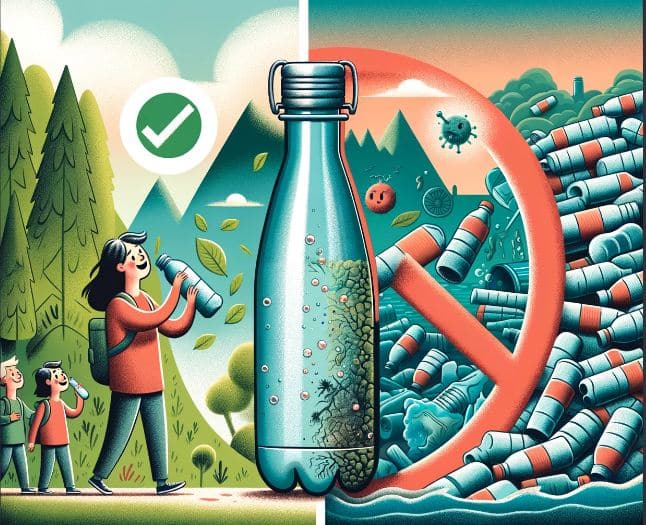
Okay, let’s be honest for a second. How many of us have that one water bottle lurking in the back of our car? You know the one—it’s been refilled, squished, and refilled again until the plastic feels a little too soft. I’ve been there. It feels so virtuous, right? You’re saving the planet one sip at a time!
But then, the internet whispers its dark little secret: “You’re drinking plastic.” And suddenly, that virtuous bottle feels a bit… villainous. Is it really that bad, or is this just another health fad to worry about?
The Great Leaching Debate
Let’s dive into the science, but keep it fun—promise. Most single-use plastic bottles are made of a material called PET (polyethylene terephthalate). PET is actually incredibly stable for its intended use: one drink, one trip.
Must Read
The real concern is what happens after you start reusing it. Every time you wash it, a little scrub, a little heat—you’re basically giving that plastic a workout. Over time, tiny cracks can form where bacteria love to hide. Ew, right?
And then there’s the “big bad” boogeyman: antimony. This is a chemical used in the manufacturing process. Studies show that if you leave your bottle in a hot car for a summer day, those antimony levels can leach into your water. Not great for a health kick.
Why You Shouldn’t Panic (But Should Pivot)
Before you toss your entire water collection in a recycling bin panic, take a breath. The amount of antimony that might leach is tiny. Like, barely-there tiny. You’d need to drink dozens of hot-car bottles a day to see a real effect.
The bigger—and honestly, more fun—problem? Bacteria. Your mouth touches that bottle. You leave it in your gym bag. You wash it with a sponge that’s seen better days. Suddenly, you’re not just hydrating; you’re hosting a microscopic party in your water.
So, is it bad? It’s not the end of the world, but it’s also not the most brilliant life hack. Think of it like wearing the same socks for a week. Practical? Maybe for a day. Ideal? Absolutely not.
 Reusing Bottled Water Bottles at Jack Nusbaum blog
The “Upgrade” That Changes Everything
Here’s where life gets more fun. Instead of worrying about leaching and bacteria, you get to shop for a cooler bottle. Yes, I’m giving you permission to buy something shiny and new! Look for a stainless steel or glass bottle. They don’t leach, they don’t hold smells, and—bonus—they keep your water icy cold.
Imagine this: you fill your new glass or steel bottle in the morning. You toss it in your bag. It clinks against your keys with a satisfying, solid sound. No squish. No panic. Just pure, crisp hydration.
And here’s the kicker: you’re still saving the planet! By using a reusable bottle designed to be reused, you’re skipping hundreds of single-use plastics every year. That’s a massive victory for the planet—and for your peace of mind.
The Lighthearted Truth
So, the answer to “Is it bad to reuse plastic bottles?” is a cheerful “Kinda, but you’ve got this!” You don’t need to live in fear of your last sip. Just be smart. Don’t leave them in the sun. Wash them thoroughly. And when the bottle starts looking wrinkly or smelling funky, say goodbye with gratitude and toss it in the recycling bin.
Life’s too short for plastic anxiety. You’ve got better things to do—like planning your next hike, sipping water that tastes amazing, and feeling like a total eco-champion. Go ahead, treat yourself to that shiny new bottle. Your taste buds (and your inner health guru) will thank you.
Now, go fill it up and take a big, happy, guilt-free gulp. You’re doing great.
