Home Reverse Osmosis Water Filtration System

Let’s be honest: tap water can be a bit of a wild card. One day it tastes like a crisp mountain stream, the next it has that faint swimming pool vibe—you know, the chlorine ta...
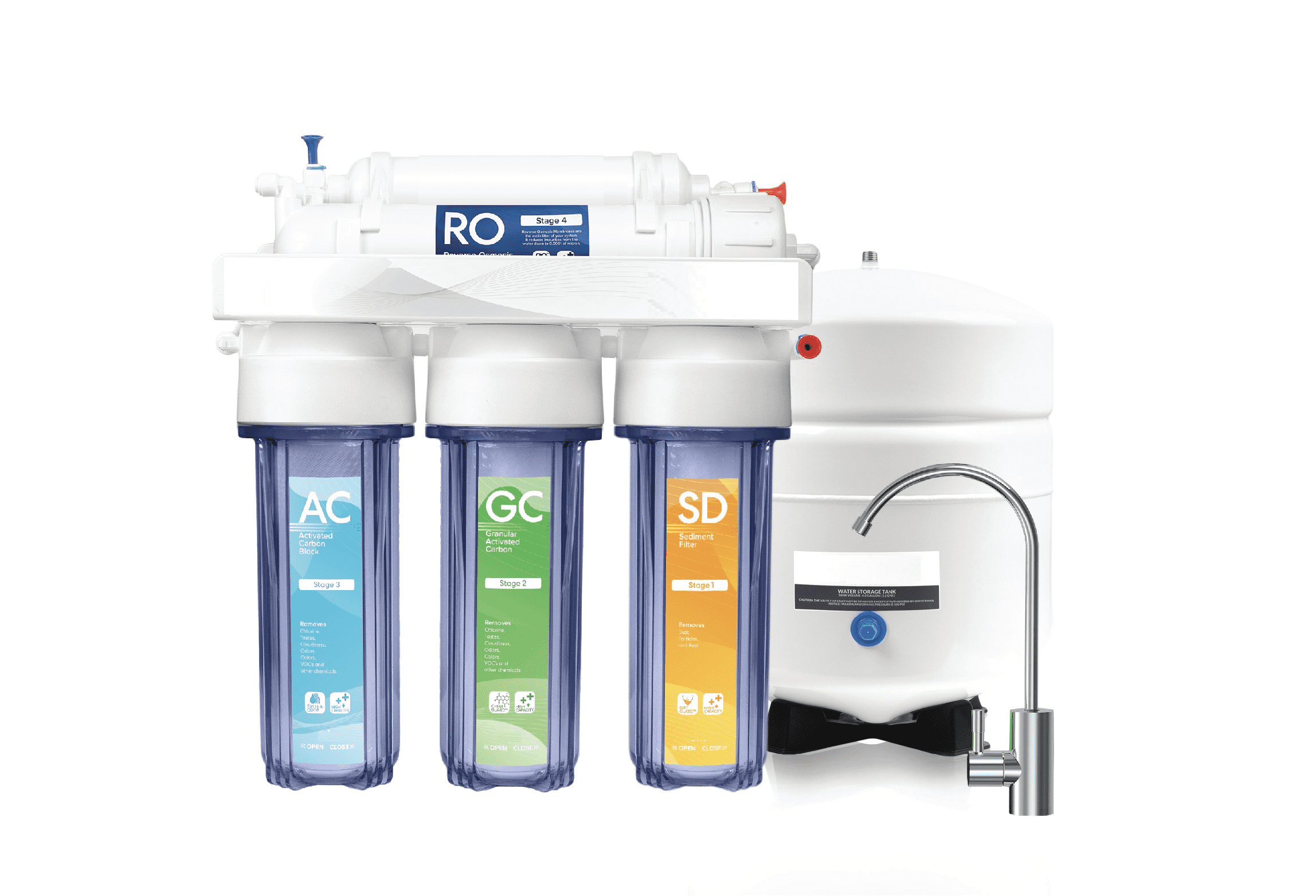
Let’s be honest: tap water can be a bit of a wild card. One day it tastes like a crisp mountain stream, the next it has that faint swimming pool vibe—you know, the chlorine tang that makes your morning coffee taste a little sad. I used to just shrug and tell myself, “It’s fine,” while secretly dreaming of the bottled stuff from the fancy brands. But then I got a home reverse osmosis (RO) water filtration system, and honestly, it changed my whole kitchen vibe.
So, what is this magical box under your sink?
Imagine you’re a bouncer at the world’s coolest club, but the club is your water glass. An RO system is the ultimate bouncer—it filters out almost everything that isn’t pure H2O. We’re talking about nasty stuff like lead, chlorine, fluoride, pesticides, and even those microscopic things that make your water taste like dirt. It uses a super-fine membrane (think of it as a microscopic sieve) that pushes water through, leaving the bad guys behind.
The best part? It does all this work while you sleep, and you just turn on the tap. No more lugging heavy jugs from the grocery store, no more guilt over all that plastic waste. It’s like having a personal water sommelier, but without the fancy accent.
Must Read
Why should you care? (Let’s talk about your morning coffee.)
I’m a very serious coffee person. I thought my coffee was perfect until I used RO water. The difference was like listening to a song on a tinny phone speaker versus hearing it live. The flavors came through crisp and clean, not muddied by chlorine or minerals. Suddenly, my cheap grocery-store beans tasted like a $6 pour-over from that hipster café downtown.
And it’s not just coffee. Have you ever iced tea that looks a little cloudy? Or pasta that boils up with a weird white film? That’s your local tap water showing off its mineral content. RO water makes everything clearer—your tea, your soup stock, even your ice cubes. Those little cubes? Crystal clear and silent instead of cloudy and crackly.
It’s also a secret weapon for your skin and hair.
Okay, I know we’re talking about drinking water, but hear me out. Hard water (the kind with lots of calcium and magnesium) can leave your skin feeling tight and your hair looking dull. It’s like wearing a dry, invisible coat of chalk. When I switched to RO water for showering (yes, you can get whole-house systems too, but a point-of-use one for the kitchen helps with drinking), my skin stopped itching in the winter. My hair actually bounced back.
I’m not saying RO water will make you look like a movie star, but your skin will definitely thank you for not drenching it in chemical residue. Plus, your kettle and coffee maker? They’ll stop looking like a science experiment with all that white scale buildup. That’s a win for your appliances and your patience.
But is it expensive? Let’s do the math.
When my friend first told me about RO systems, I pictured a gold-plated machine costing a mortgage payment. But actually, a good under-sink system costs about the same as a year’s supply of bottled water for a family of four. And after that? You’re paying pennies per gallon. That’s not just saving money; it’s saving your back from hauling 24-packs of plastic bottles from the car.
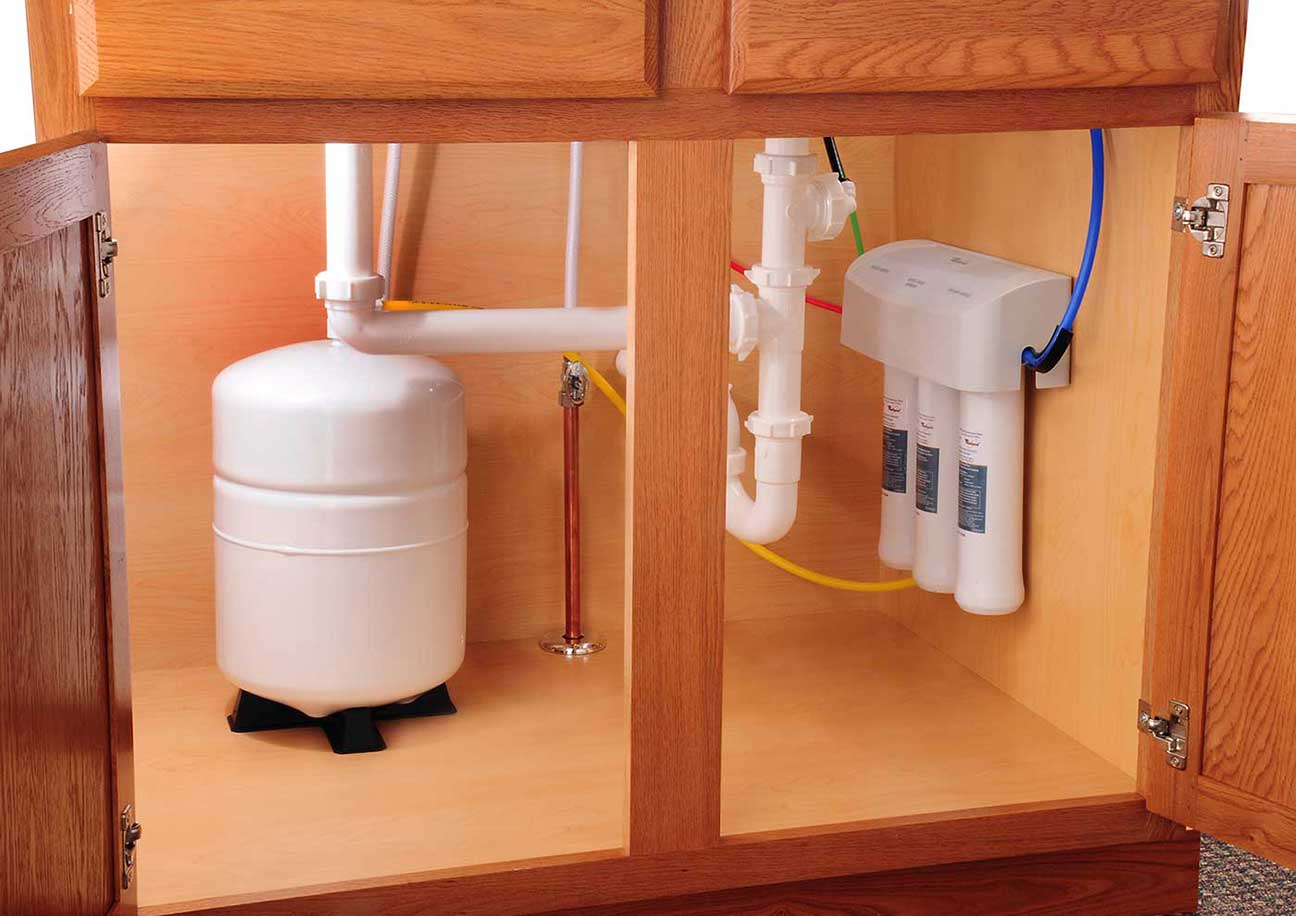 Reverse Osmosis Home Water Filtration System | Whirlpool
And the maintenance? Once a year, you swap out a couple of filters. It’s easier than changing a light bulb, and it takes about five minutes. No plumber needed, no PhD in water chemistry. It’s practically the lazy person’s perfect home upgrade.
The one tiny downside (and why it’s no big deal).
Some people worry that RO water “strips out minerals.” And it’s true—it removes calcium and magnesium. But guess what? You get those from food, not water. A slice of cheese has more calcium than a bathtub of tap water. And if you’re really worried, you can buy a cheap add-on remineralization filter that puts healthy minerals back in. It’s like having your cake and eating it too.
I personally don’t bother with that. My body gets plenty of minerals from veggies and dairy. I just want my water to taste like water—clean, crisp, and neutral. Not like a chemistry set. Not like a public pool.
How do you start? (It’s easier than you think.)
You don’t need a massive remodel. Most RO systems sit neatly under your kitchen sink, with a small dedicated faucet that looks sleek. Installation is often a DIY thing (watch a 10-minute YouTube video) or a handyman can do it in an hour. I did mine while waiting for my coffee to brew. Seriously.
Think of it as a tiny upgrade that makes your daily life feel a bit more luxurious. Suddenly, filling up a glass of water feels like a treat. Your plants grow better. Your soup tastes cleaner. And you never have to apologize for the tap water when guests come over—you just hand them a glass and smile.
So go ahead. Give your water the glow-up it deserves. Your taste buds, your skin, and your future self will be doing a happy little dance. And honestly, isn’t that worth a simple swap under the sink?
