How Do You Measure For Acidity Or Alkalinity

So, we’re diving into how to measure acidity or alkalinity. It sounds like a chemistry pop quiz, right? Don’t roll your eyes yet—I promise it’s easier than figuring out your 4...
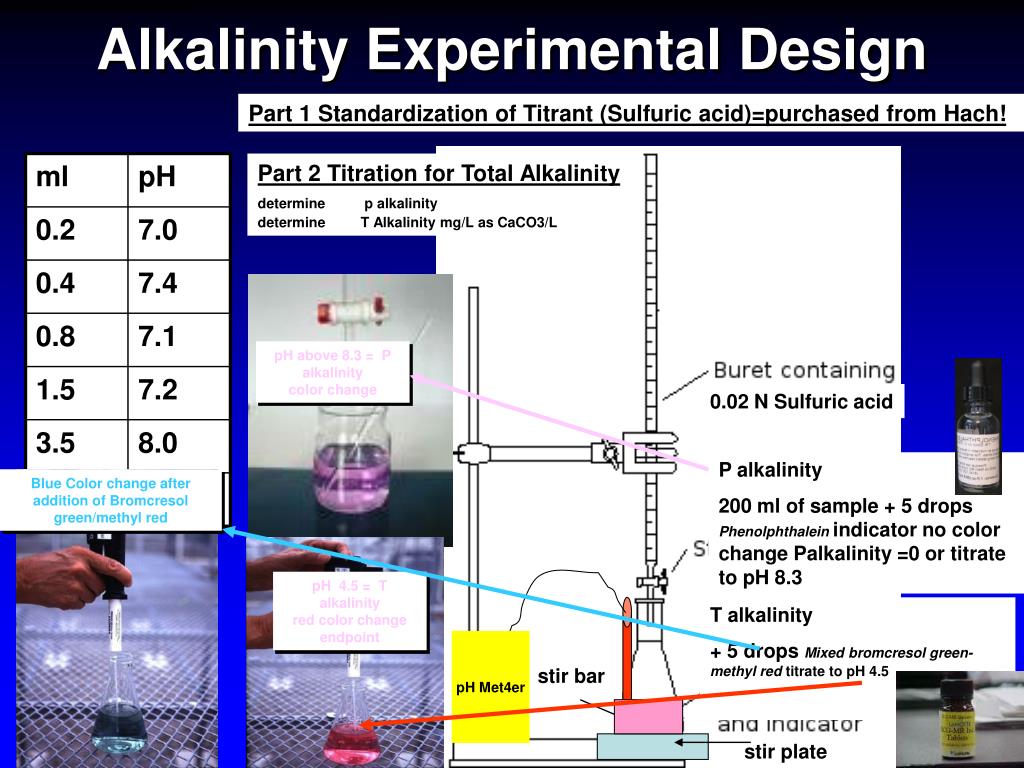
So, we’re diving into how to measure acidity or alkalinity. It sounds like a chemistry pop quiz, right? Don’t roll your eyes yet—I promise it’s easier than figuring out your 401(k). We’re talking about pH, which is just a fancy way of saying “how angry or chill your water is.”
Okay, But First… What’s the Deal with pH?
Think of pH as a personality scale for liquids. Pure water is a total Zen master—it’s perfectly neutral at a pH of 7. Anything below 7 is acidic, like lemon juice or your mood on a Monday morning.
Anything above 7 is alkaline, or basic—think baking soda or that overly cheerful friend who texts at 6 AM. The scale goes from 0 (super acidic, battery acid levels) to 14 (super alkaline, drain cleaner). So, how do you actually measure this stuff?
Must Read
Method 1: The Old-School “Guess and Squint” (Litmus Paper)
You’ve seen it in movies: a scientist dips a strip of paper into a beaker, and it turns red or blue. That’s litmus paper. It’s cheap, cheerful, and tells you one thing: “Hey, this is acidic” or “Nope, this is alkaline.”
No numbers, just vibes. You dip the strip, it changes color, and you compare it to a chart. It’s like taking a BuzzFeed quiz—you get a result, but it’s not super detailed. Is your swimming pool water a 7.2 or a 7.6? Litmus paper shrugs its shoulders.
For home stuff—like testing soil for your tomatoes or checking if your kombucha is too sour—litmus paper is your bestie. It’s not precise, but it’s fast. Plus, you get to feel like a mad scientist for like ten seconds.
Method 2: The “More Accurate, Less Drama” Option (pH Drops)
If you want a slightly better answer without buying a gadget, grab a bottle of pH indicator solution—also called pH drops. You add a few drops to your liquid sample, and it turns a whole spectrum of colors. Pink, purple, yellow, green—it’s like a liquid mood ring.
You match the color to a chart that gives you a number, usually to the nearest 0.5 or so. It’s more precise than litmus paper, but you still have to eyeball it. “Is that lime green or chartreuse?” You might end up arguing with yourself.
This method is great for aquariums, homemade beer, or checking if your hot tub is trying to murder your skin. But if you need surgical precision? Keep reading.
Method 3: The “Fancy Pants” Approach (pH Meter)
Now we’re talking. A pH meter is a little handheld device with a probe. You dip the probe into your liquid, and voilà—a digital number appears. It’s like a thermometer, but for acidity. No color charts, no squinting.
 Alkalinity ph chart with water acidity from bad to ideal outline
These things can give you readings down to two decimal places. Your water is pH 7.23? The meter knows. Your soil is pH 6.89? The meter knows. It’s brutally honest.
The catch? You have to calibrate it first. That means dipping it into special buffer solutions (solutions with a known pH) to “teach” the meter what’s what. Forget to do that, and your meter will lie to your face. Trust me, it’s happened to me. “Your coffee is pH 14,” the meter said. I nearly cried.
So, Which One Should You Use?
Honestly? It depends on your ambition. Testing your morning black coffee for fun? Litmus paper. Brewing a batch of sauerkraut? pH drops are your pal. Running a lab or obsessing over your garden soil’s every quirk? Get a meter.
But here’s a hot tip: temperature matters. If you’re testing hot liquid, all bets are off. Hot water can alter the reading. So, let your sample cool down first. Your pH meter isn’t a tea bag—don’t rush it.
Also, don’t stick the probe into super thick stuff like peanut butter. Clean it gently with distilled water. Be nice to your tools, and they won’t betray you.
Alright, Let’s Wrap This Up
Measuring acidity or alkalinity isn’t rocket science—it’s more like a choose-your-own-adventure novel. Start with paper, graduate to drops, or go full tech geek with a meter. The goal? Know your liquid’s personality so it doesn’t surprise you.
Because nothing ruins a perfectly good cup of tea like finding out it’s more acidic than a lemon’s revenge. So go forth, test your tap water, and embrace your inner chemistry nerd. I promise, the pH scale isn’t judging you.
Now, pass the cream—and maybe a strip of litmus paper. I’m curious about my coffee.
