How Did People Purify Water In Ancient Times

Imagine this: you’re an ancient Roman, just finished a long day of debating philosophy in the forum. You’re parched. You walk to the nearest public fountain, which is fed by a...

Imagine this: you’re an ancient Roman, just finished a long day of debating philosophy in the forum. You’re parched. You walk to the nearest public fountain, which is fed by an aqueduct, and you drink straight from the spout. Ah, fresh. But let’s be real—that water probably looked a lot like today’s unfiltered pond sludge if you stared too long. So, how did our ancestors not end up glued to their chamber pots with dysentery? The answer is a fascinating mix of trial, error, and some surprisingly clever hacks. Let’s dive into the murky, gritty, and occasionally genius ways people purified water long before Brita filters were a thing.
The “Just Boil It, Dummy” Method
First up: boiling. It sounds obvious to us, but back then, it was a lifesaving revelation. Ancient Chinese texts from around 2000 BCE recommend boiling water for health, while the Edwin Smith Papyrus (Egyptian, 1500 BCE) suggests it as a cure for stomach woes. People didn’t know about germs—they just noticed that water left in a clay pot over a fire made them less sick. Smart, right?
But here’s the kicker: boiling was a huge pain in the neck. You needed a fire, fuel, and a metal pot (which was precious). For most folks, it was a luxury reserved for the sick or the wealthy. So they got creative. They’d boil water only when they had to, and they’d drink the leftover “tea” from cooking grains. It wasn’t glamorous, but it kept the plague away—sort of.
Must Read
Sand, Gravel, and a Lot of Charcoal
Now, let’s talk about the OG water filter: layered filtration. The ancient Hindus (around 2000 BCE) wrote about using charcoal, sand, and gravel to clean water. They’d build a simple contraption: a clay pot with holes, a layer of crushed charcoal, then fine sand, then coarse sand. Pour dirty water in—clean water drips out. Yes, they invented the Brita pitcher, just heavier.
The Greeks and Romans took it further. They stored water in large settling tanks where silt would sink to the bottom. They’d then run it through sand filters or even ordinary cloth. But they also discovered something wild: copper and silver vessels kept water fresh longer. They didn’t know why—today we know copper kills bacteria. They just noticed that water from a copper cup didn’t grow slimy. Accidental science for the win.
Sunlight? Seriously?
Wait, did ancient people use the sun to purify water? Kind of. Solar disinfection (SODIS) was a thing—kinda. In ancient India and Persia, they’d leave water in shallow, clear-glass jars under the sun for half a day. The UV rays did the heavy lifting. But glass was expensive, so only the elite got UV-treated H2O. The rest of the crowd had to rely on “Let’s hope the river spirits are nice today.”
One funny detail: they often added crushed eggshells or coral powder to water. It sounds weird, but those materials are alkaline and can help settle out heavy particles. Gross but effective. They also tied wool cloth around the mouths of jars to strain out insects. You think your tap water is gross? Imagine pulling a drowned beetle out of your drink before breakfast.
The “Prayer and Good Vibes” Option
Let’s not forget the most popular method: wishful thinking and religion. In many ancient cultures, priests or shamans would bless the water supply. The Greeks would sacrifice to Naiads (water nymphs) to keep springs pure—and they’d also whack a snake with a stick if they saw one near the well. Practical AND spiritual.
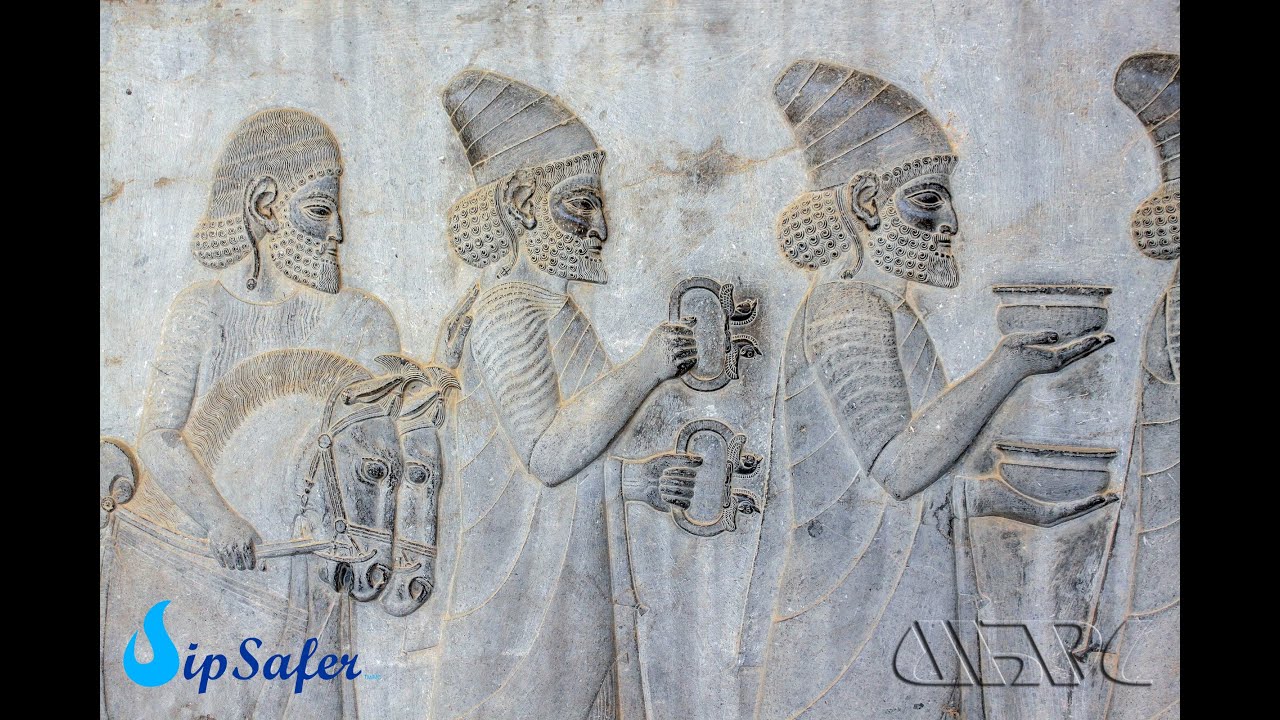 ancient water purification methods - YouTube
But the best example? The ancient Assyrians (around 700 BCE). They’d march a live frog through the water source to “absorb the poison.” I kid you not. They genuinely believed a frog could soak up evil spirits. Spoiler: it didn’t work, but it made for a great story. The ironic part? Frogs are good indicators of healthy water—so maybe they were onto something, just not in the way they thought.
Vinegar, Wine, and Beer—Because Why Not?
Sometimes you couldn’t purify the water, so you altered it chemically. The ancient Egyptians added vinegar to their drinking water, which made it acidic and killed some bugs. The Greeks and Romans regularly mixed wine with water—usually a 1:3 ratio. The alcohol in wine (even watered-down wine) was a mild disinfectant.
But here’s the secret they didn’t fully understand: fermented beverages like beer were often safer than water because the boiling during brewing killed pathogens. In medieval Europe, everyone drank “small beer” (low alcohol), and children sipped it like juice. Yes, kids included. Water was considered a risky choice unless you knew the source. Imagine telling your modern mom, “I’m thirsty—time for a lager!”
What About the Middle Ages? A Step Backward?
After the fall of Rome, Europe kinda forgot about sand filters. They went back to basics: boiling and faith. Monks at monasteries built elaborate water cisterns with gravel beds, but for everyone else, it was “drink from the well and hope your stomach doesn’t explode.” The Renaissance brought back some ancient knowledge—Leonardo da Vinci designed a sedimentation tank—but it took until the 1800s for chlorination to show up. So for thousands of years, people relied on boiling, straining through cloth, and adding a splash of wine. And prayers. Lots of prayers.
So next time you fill your Hydro Flask from the tap, give a tiny nod to that Roman who just drank from a copper cup after his frog-blessing ceremony. We’ve come a long way—but also, not really. We still boil water when the pipes break. Some things never go out of style.
