How Do I Know If I'm Drinking Too Much Water

You’ve heard the advice a million times: drink more water. It’s supposed to cure headaches, clear your skin, and make you feel like a superhero. But lately, you’re feeling a l...
You’ve heard the advice a million times: drink more water. It’s supposed to cure headaches, clear your skin, and make you feel like a superhero. But lately, you’re feeling a little… off. Maybe you’re running to the bathroom every twenty minutes, or you feel strangely bloated after your third liter. Could you actually be drinking too much water?
Let me introduce you to Sarah. Sarah is a friend of mine who bought a giant, 64-ounce water bottle because a wellness influencer swore by it. She carried it everywhere—to work, to the gym, even to bed. After a few days, she complained of a constant sloshing feeling in her stomach and a headache that wouldn’t quit. She thought she was dehydrated. She was actually the opposite.
So, how do you know if you’ve crossed the line from “hydrated hero” to “waterlogged pal”? The first clue is your pee. Yes, we’re going there. If your urine is completely clear and looks like tap water, that’s a sign you’re overdoing it. Healthy urine should be a pale straw color—like weak lemonade, not pure water.
Must Read
The second big hint is frequency. If you’re getting up to pee every thirty minutes, and especially if you’re waking up multiple times at night, your body is waving a white flag. Your kidneys can only process about one liter of fluid per hour. Anything more just gets flushed straight through, stressing your system for no good reason.
You might also feel a weird bloated or heavy sensation in your stomach. It’s not a food baby—it’s a water baby. Imagine filling a balloon too full; it gets tight and uncomfortable. That’s your stomach saying, “Hey, I’m not a swimming pool!” If you feel sloshy when you walk, put the bottle down.
The Sneaky Symptoms Nobody Talks About
Sometimes, over-hydration doesn’t feel like what you’d expect. You might actually feel thirsty even after drinking gallons. That’s because too much water can dilute the salt in your blood, confusing your brain’s thirst signals. It’s like your body is shouting, “More!” when it really needs balance, not volume.
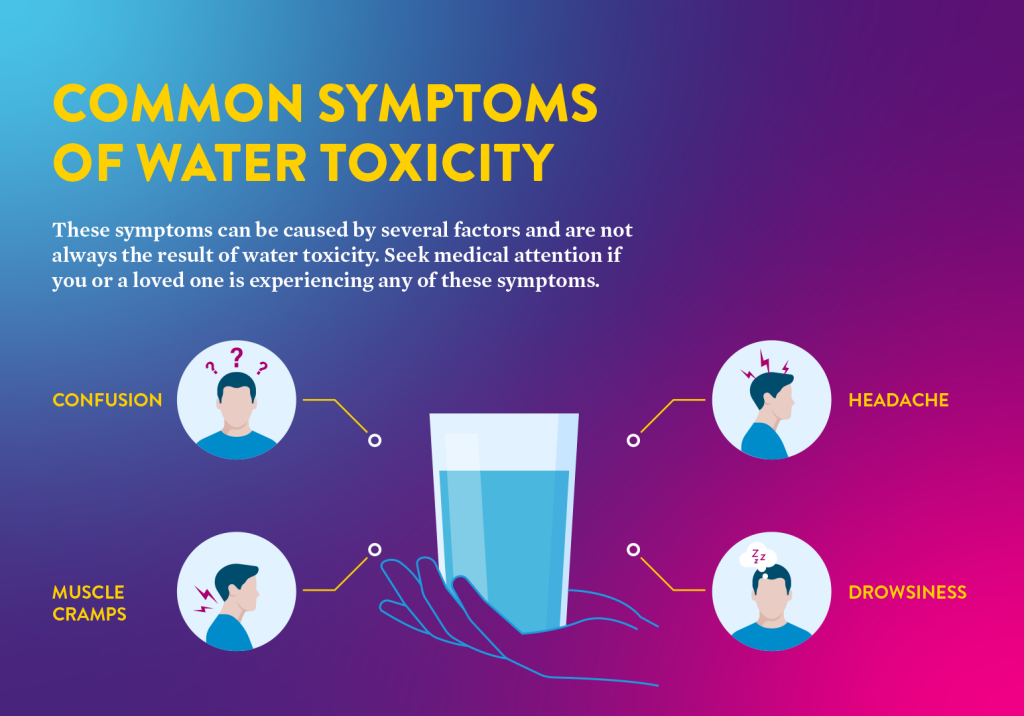
Another weird one is a headache that resembles a hangover, minus the fun night out. Seriously. Drinking too much water can lower your sodium levels—a condition called hyponatremia. That headache, combined with nausea or muscle cramps, is your body begging for a break.
Do you ever feel puffy? Check your hands and feet. If your rings feel tighter or your ankles look a little swollen, excess water might be pooling in your tissues. It’s like your body is holding a small reservoir under your skin. That’s a clear signal to ease up on the hydration hype.
How Much Is Actually Enough?
Here’s the thing: the old “eight glasses a day” rule is just a guideline. Your real needs depend on your size, activity level, and even the weather. If you’re sitting at a desk, you don’t need the same amount as a marathon runner. Listen to your body, not a hashtag.
A simple test: drink when you’re actually thirsty, not just because your bottle is in front of your face. Thirst is your body’s built-in alarm system. If you’re not thirsty, you don’t need to chug. Your body is smarter than any internet trend.
 Water Intoxication: Meaning and Safety Tips – HealthKart
Also, remember that food contains water. A juicy apple, a bowl of soup, or even a cup of coffee counts. You’re probably getting a solid 20% of your daily fluid from meals. So if you’re sipping water and eating a salad, you’re already winning.
What to Do If You Think You’ve Overdone It
First, don’t panic. It’s usually not dangerous unless you’ve chugged several gallons in a short time (like a dare or an extreme workout). The fix is simple: stop drinking for a while. Let your kidneys catch up. Eat something salty, like pretzels or a pickle, to help retain balance.
If you feel dizzy, confused, or have a severe headache, check in with a doctor. That’s rare, but it’s worth knowing. Most of the time, taking a two-hour break from water and having a snack is all you need. You’ll feel better quickly.
And here’s my favorite tip: swap your giant bottle for a smaller one. Use a 16-ounce cup instead of a half-gallon jug. Fill it up a few times a day, but only when you feel thirsty. You’ll naturally self-regulate without obsessing over ounces.
The Bottom Line (It’s Not Scary)
Think of your body like a houseplant. Some plants need lots of water; others rot if you overwater them. You’re not a fern. You’re a person with kidneys, instincts, and a good sense of when your stomach starts sloshing. Trust that.
So next time someone says, “Drink more water,” smile and nod. Then listen to your own body. If you feel great, keep going. If you feel like a water balloon about to pop, it’s okay to say, “I’m good, thanks.” You’re not being lazy—you’re being smart.
Stay hydrated, but stay balanced. Your body will thank you with clear pee, less bloating, and a happier bladder. Now go fill up your glass—but maybe just half full this time. Cheers to that.
