Acceptable Chlorine Levels In Drinking Water

So, you turn on the tap, fill a glass, and take a sip. Ahhh—but wait, does it smell a bit like a swimming pool? You’re not alone in that thought, and trust me, it’s probably a...
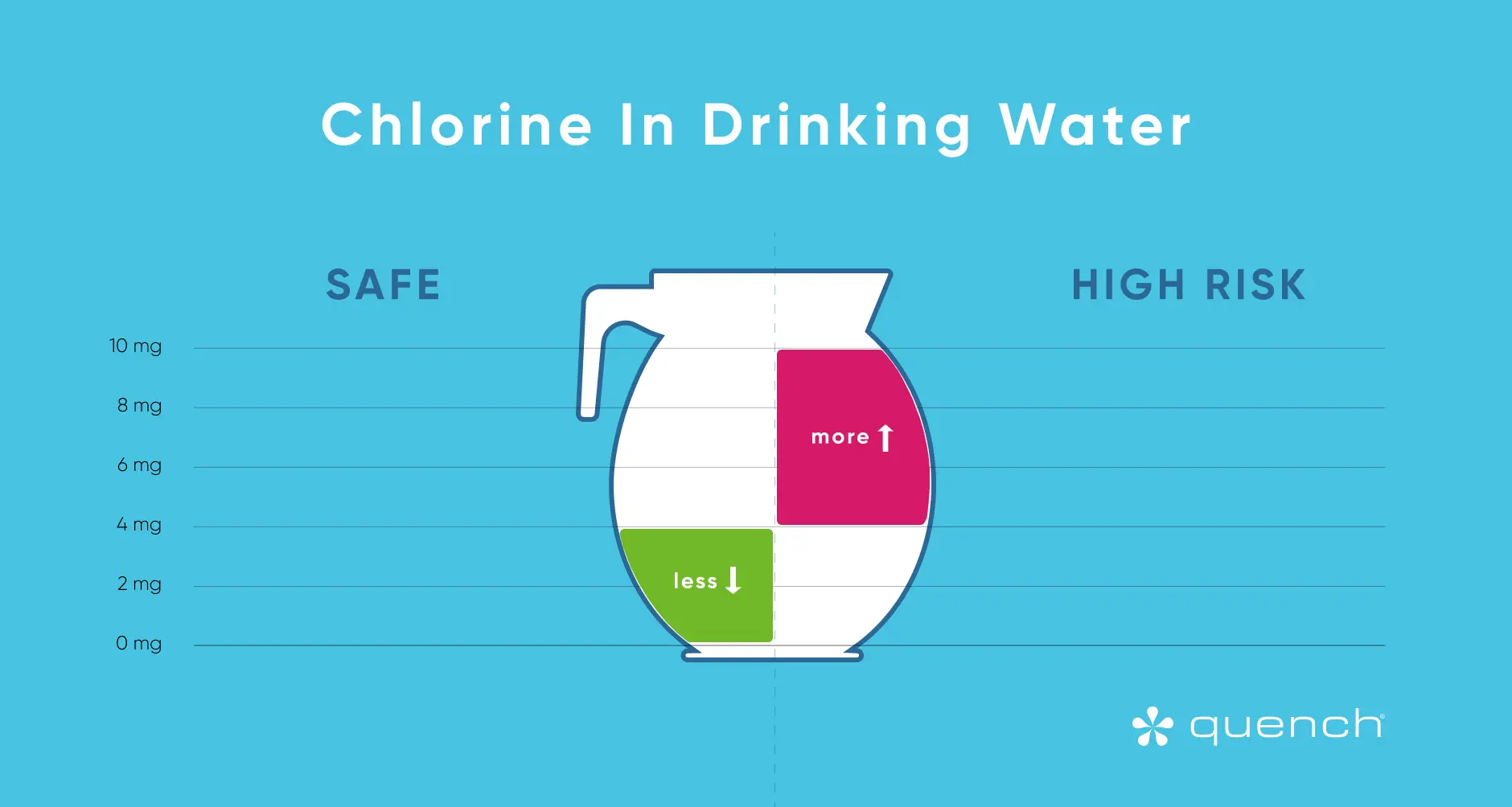
So, you turn on the tap, fill a glass, and take a sip. Ahhh—but wait, does it smell a bit like a swimming pool? You’re not alone in that thought, and trust me, it’s probably a good sign!
Let’s talk about chlorine in your drinking water. It sounds scary, like something from a science lab, but it’s actually your tap water’s best friend.
Think of chlorine as the bodyguard for your water. It shows up to kick germs, bacteria, and viruses to the curb before they ever reach your glass. Without it, you’d be rolling the dice with every sip.
Must Read
The big question is: how much is acceptable? Nobody wants to drink a pool, right? The good news is, the levels are tiny—we’re talking parts per million.
The World Health Organization says up to 5 milligrams per liter is safe. In the U.S., the Environmental Protection Agency puts the limit at 4 milligrams per liter. That’s like one drop of chlorine in a huge swimming pool’s worth of water.
Why Does It Even Smell?
Here’s a fun twist: that strong “chlorine smell” isn’t actually from too much chlorine. It’s from byproducts—chlorine reacting with organic stuff like leaves or dirt. Your nose is basically catching the cleanup crew in action.
If your water smells like a locker room after a big game, don’t panic. It usually means the chlorine is working overtime, not that you’re drinking bleach. Honestly, that stinky water is still safer than water with no protection at all.
Fun fact: some people actually enjoy a faint chlorine taste—it reminds them of summer pool parties. But if you’re not a fan, you’re in good company (I’m with you).
What’s the “Sweet Spot”?
Ideally, your water supplier keeps chlorine between 0.5 and 2.0 mg/L. That’s enough to kill germs but low enough that you barely notice it. Most of the time, you won’t taste or smell a thing.
Below 0.5 mg/L, the protection gets a little weak. Germs might sneak a party in your pipes. Above 4 mg/L, you might start tasting it—but even then, it’s still safe to drink, just a bit “swimmy.”
Think of it like spicy food: a little heat is great, but too much and you’re reaching for milk. Except here, the “milk” is just letting your water sit in the fridge for a few minutes—chlorine evaporates!
How to Know Your Level
You don’t need a chemistry degree. Your local water utility is required to send you a Consumer Confidence Report every year. Check that paper—or look online—for the exact chlorine numbers in your area.
If you’re a techie, you can buy a simple test kit at a hardware store for under $20. It’s like a urine test strip, but for water, and way less awkward to use at a party. “Hey, everyone, my water is at 1.2 mg/L—cheers!”
 Chloride - Water Rangers
For most people, there’s zero reason to stress. Your water utility has this dialed in like a barista making your favorite latte—consistent, safe, and just right.
But What About the “Chlorine-Free” Trend?
You’ve probably seen ads for filters that remove chlorine. Some people swear by them. And sure, if you don’t like the taste, a basic carbon filter (like a Brita) takes out the extra chlorine and the pool vibes.
But here’s the deal: do not remove all the chlorine yourself if you have well water or a storage tank. That’s like removing the lifeguard from the pool—just because you can’t see a drowning person doesn’t mean it’s safe.
Filters are fine for taste, but remember: a little chlorine keeps your water from becoming a microbiology experiment in your kitchen. You don’t want that.
When in Doubt, Drink Up (Safely)
The bottom line? Acceptable chlorine levels are low, safe, and intentional. It’s one of the greatest public health wins of the last century—right up there with seatbelts and sliced bread.
In fact, chlorinated water saves millions of lives every year by preventing diseases like cholera and typhoid. So next time you get a whiff of that pool, give a little nod to the chlorine. It’s working for you.
And if the taste really bugs you? Fill a pitcher, pop it in the fridge for an hour. The chlorine will evaporate, and you’ll have crisp, clean water that tastes like nothing—in the best way possible.
One Last Splash of Positivity
So go ahead, drink your tap water with confidence. You’ve got a tiny bodyguard named Chlorine on duty, and it never takes a day off.
If you ever worry, just remember: your water has less chlorine than a public swimming pool. Unless you’re drinking from the deep end—in which case, we need to talk about your life choices. But for the rest of us, cheers to safe, clean, and perfectly acceptable water.
Now, go fill that glass and enjoy a guilt-free, germ-free sip. You’ve earned it—and so has your trusty sidekick, Chlorine. 🥤
