Ceramic Membrane Lifespan In Water Treatment

So, you’ve heard about ceramic membranes, the superheroes of water treatment. They’re tough, they’re sexy (in a high-tech filtration kind of way), and they’re supposed to last...
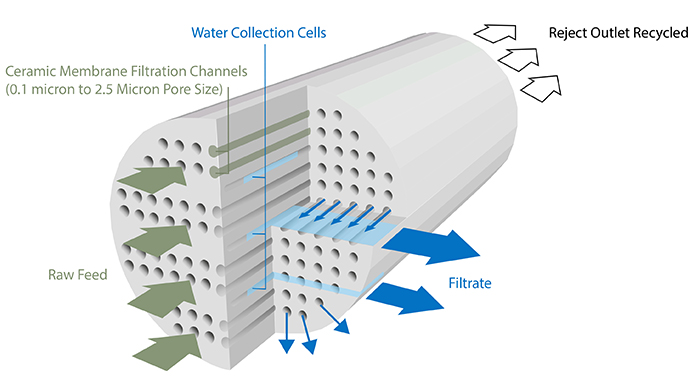
So, you’ve heard about ceramic membranes, the superheroes of water treatment. They’re tough, they’re sexy (in a high-tech filtration kind of way), and they’re supposed to last forever. But then, reality hits you like a clogged pipe: “How long do these things actually live?” It’s a great question, and the answer is weirder and more hilarious than you think.
Let’s start with the good news. A ceramic membrane is basically a rock that filters water. You can drop it, scratch it, or even yell at it—and it barely flinches. While your plastic membrane (lookin’ at you, polymeric) throws a tantrum after three years, a ceramic one can laugh in your face for ten to fifteen years if you treat it nicely.
That’s right. You could buy a ceramic membrane, teach it to sing “Happy Birthday,” and it would still be filtering water when your kids are in high school. But—and this is a big, juicy “but”—that lifespan is a lie if you screw up the basics.
Must Read
The Dirty Truth About "Forever"
You see, “lifespan” in the water world is like “diet” on a pizza menu. It’s technically true, but only if you follow the rules. A ceramic membrane can lose its mojo in five years if you feed it nasty chemicals or let it get too hot.
Imagine you bought a Porsche, but then you only drove it through a swamp filled with rusty nails. That’s your membrane. It’s not the material’s fault—it’s the owner. The real killer? Chlorine. Ceramics dislike chlorine like a cat dislikes a bath. It’s not a death sentence, but it’s a grumpy, slow decline.
And let’s not forget fouling. That’s when gunk—like bacteria, minerals, and mystery sludge—glom onto the membrane’s surface. It’s like giving your super-filter a layer of peanut butter. It still works, but it’s breathing heavy and asking for a break.
How To Make Your Membrane Live To 100 (In Water Years)
Here’s the secret sauce: backwashing. It’s like flushing your filter with a high-pressure water enema. Do this wrong, and you’re basically torturing it. Do it right, and you’re giving it a spa day.
Another trick? Chemical cleaning. You have to wash the ceramic with acids or bases to dissolve the gunk. But go too strong, and you’ll dissolve the membrane’s soul. It’s a delicate dance, like trying to remove a stain from a silk shirt while drunk.
And here’s a surprising fact: ceramic membranes actually get stronger with age. No joke. The pores sometimes shrink a tiny bit after years of use, making them filter better. It’s like a fine wine that also stops dirt. Who knew?
But wait—there’s a catch. The support structure underneath the membrane might crack. Imagine a beautiful, immortal vampire who lives in a crumbling house. The vampire is fine, but the house collapses. That’s your ceramic filter system. The membrane itself is eternal, but the pipes and seals? They’re drama queens.
 GT Ceramic Membrane System - Greatpool | Leading Innovator in Pool and
The Real Cost Of Eternal Life
You’re probably thinking, “This sounds amazing, but why doesn’t everyone use them?” Ah, because they cost a fortune. A ceramic membrane system can be ten times pricier than plastic ones. It’s like buying diamonds when sand works, but you get bragging rights.
But here’s the kicker: total cost of ownership. If your plastic membrane dies every three years and you replace it, you might actually spend more in the long run. It’s the classic “buy cheap, buy twice” problem. Ceramics are the sustainable couch you never throw away.
And let’s talk about temperature. Ceramics love hot water. You can boil them without melting (don’t try that with plastic). Some industrial plants run them at 90°C—that’s near-boiling, my friends. It’s like your filter is a champion hot-tub user.
But here’s a fun twist: ceramic membranes hate freezing. If water inside them turns to ice, the expansion can crack them like a bad joke. So if you live in a cold climate, you need to drain them or wrap them in a heated blanket. It’s a diva moment, but a minor one.
The Surprising Deathbed Confession
I once spoke to a water treatment engineer who admitted, “We threw a ceramic membrane away after six months. It wasn’t broken. We just wanted to test a new one.” That’s like buying a new car because you’re bored of the color. Wasteful? Yes. But it happens.
On the flip side, there are stories of ceramics lasting twenty years in a well-maintained system. Twenty years! That’s older than a freshman in college. These membranes have literally seen fads come and go (remember fidget spinners?).
So, what’s the final verdict? Ceramic membranes are the Golden Retrievers of water treatment: loyal, tough, and they live forever if you don’t do something stupid. Treat them like a wise old friend—give them clean water, gentle cleanings, and the occasional pat on the pipe—and they’ll outlast your mortgage.
Just don’t let them freeze. That’s how you end up with a sad, broken rock. And nobody wants a sad rock.
