Whole House Filtration Water Softener System

You know that moment when you pour a glass of water at a friend’s house, and it tastes like someone rinsed a sock in it? That was my wake-up call. I stood there, grimacing, wh...

You know that moment when you pour a glass of water at a friend’s house, and it tastes like someone rinsed a sock in it? That was my wake-up call. I stood there, grimacing, while my friend chirped, “Oh, it’s just the minerals!” Meanwhile, my own tap water back home—I realized—had been leaving chalky white rings on my coffee pot for years. I just thought my kettle was old and grumpy.
But honestly, the real horror show was my shower. After every rinse, my skin felt like it had been sandpapered, and my hair? Let’s just say it looked more like a scarecrow’s wig than luscious locks. Hard water is the silent villain here, sneaking calcium and magnesium into your pipes, your appliances, and yes, even your morning tea.
So I did what any desperate, slightly vain person would do: I started researching whole house water filtration and softener systems. Whole house isn’t just a fancy term for “expensive plumbing project.” It means every single tap, shower, and toilet in your home gets the VIP treatment. No more guessing if the kitchen sink is safe while the bathroom smells like a swimming pool.
Must Read
Let’s be real—soft water isn’t just a buzzword for people with fancy soap. It’s water that has been stripped of those bulky minerals that behave like drunk bouncers at your faucet. They clog everything. Your dishwasher, your washing machine, even your favorite espresso maker eventually starts coughing up scale like it’s got a bad cold.
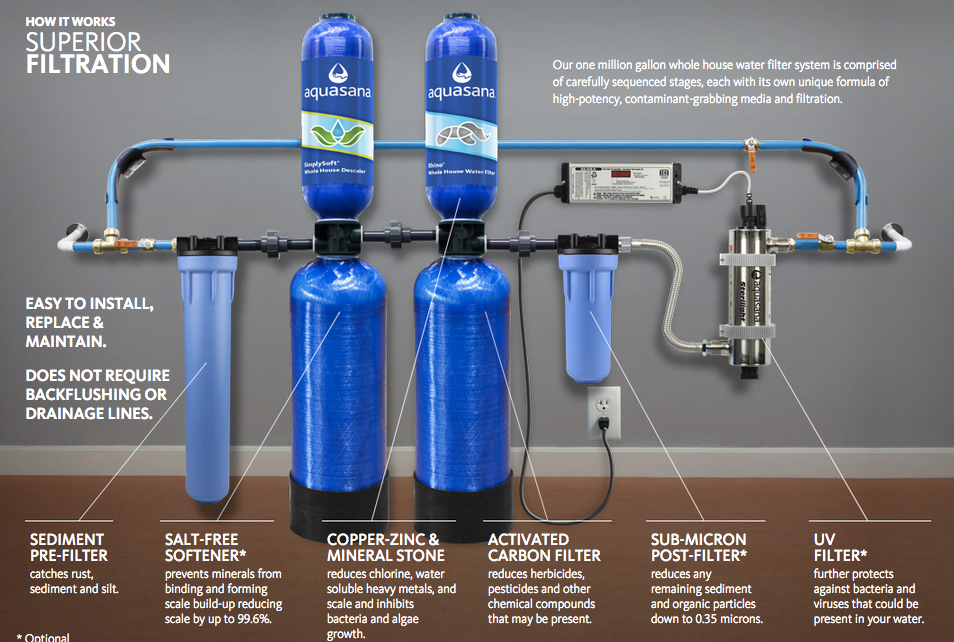
Now, the whole house part? That’s a game-changer. You typically install it right where the main water line enters your home. Imagine a bouncer at the club, but instead of checking IDs, he’s kicking out calcium and chlorine. Everything downstream—your showerhead, your ice maker, your garden hose—gets the good stuff.
Of course, not all systems are created equal. You’ve got your basic salt-based softeners that swap hard minerals for sodium. Yes, sodium. If you’re salt-sensitive, you might roll your eyes, but the amount is tiny—like eating one potato chip’s worth per glass. I tell my health-nut friends, “It’s a fair trade for dishware that doesn’t look like it’s got psoriasis.”
Then there’s the salt-free alternatives, which use a process called template-assisted crystallization. Fancy science, right? They don’t remove the minerals; they just change their shape so they can’t cling to your pipes. It’s like giving the minerals a makeover so they stop being clingy. Less effective for extreme hard water, but great if you hate hauling giant salt bags from the store.
Oh, and let’s not forget the carbon filter stage. Chlorine is the other bad guy here—the reason tap water tastes like a swimming pool’s dirty cousin. A good whole house system includes a carbon filter to yank out that chemical bite. Suddenly, your glass of water tastes like, well, water. It’s surprisingly pleasant.
Installation? Brace yourself—it’s not a weekend DIY project unless you enjoy weeping over PVC pipes. Most people hire a plumber, which costs a few hundred bucks. But you know what costs more? Replacing a water heater every five years because it’s filled with scale. The math works out: a system is an investment in appliance longevity and your sanity.
 Best Whole House Water Filter System — Guide & Reviews
The biggest surprise for me was the shower. After installing the system, the first wash felt like I had borrowed a mermaid’s hair routine. No more squeaky skin, no more soap scum clinging to the tiles. My soap actually lathers now. I feel like a fancy spa commercial, and I’m not even joking. (Okay, maybe a little, but it’s true.)
And the laundry? Stop me if you’ve seen this: white spots on dark shirts after washing. That’s hard water sediment. A softener eliminates that entirely. Your clothes last longer, your towels don’t feel like sandpaper, and you can finally wear black without looking like you’ve been dandruff-bombed.
One catch: maintenance. You’ll need to refill the salt tank every month or two, or pay a service to do it. It’s not hard—just annoying if you forget. Pro tip: Set a phone reminder called “Feed the water monster.” I promise, your future self will thank you when you’re not scrubbing mineral deposits off the faucet.
Now, let’s talk money. A decent whole house system ranges from $800 to $2,500, plus installation. That sounds steep, but consider this: you’ll use less soap, detergent, and shampoo. You’ll save on appliance repairs. And you’ll probably drink more water because it actually tastes good. It’s like buying a membership for your plumbing’s gym.
If you rent? You’re probably stuck with a faucet filter and a prayer. But if you own your home, this is one upgrade that pays for itself. Plus, it’s a stealthy bragging point when guests ask why your ice is so clear. “Oh, that? Just my whole house system.” Cue impressed silence.
I’ll end with this: that glass of water from my friend’s house still haunts me. But now, every time I drink from my tap, I feel a tiny victory. My water is soft, clean, and mine. If you’re tired of crusty faucets and brittle hair, do yourself a favor: look into whole house filtration. Your shower, your kettle, and your ego will all thank you. —And yes, you can finally invite people over for tea without secretly apologizing.
