Reverse Osmosis Drinking Water Filter System

So picture this: it’s a sweltering summer afternoon, and I’m staring into my glass of tap water like it personally offended me. The chlorine smell is so strong, I half-expect...
So picture this: it’s a sweltering summer afternoon, and I’m staring into my glass of tap water like it personally offended me. The chlorine smell is so strong, I half-expect the glass to glow. I take a sip, and it tastes like a swimming pool that gave up on life. Not exactly the refreshing hydration I was promised by my own kitchen faucet.
That moment—where you question your life choices over a glass of water—is exactly when you stumble into the world of reverse osmosis drinking water filter systems. It sounds like high-level science, and spoiler alert: it kinda is. But don’t worry, I’ll walk you through it like we’re chatting over a clean, crisp bottle of something that didn’t come from a plastic factory.
What even is reverse osmosis?
Imagine you’re trying to squeeze through a crowd at a concert to get to the front row. That’s you, the water molecule. But the crowd is made of dissolved solids, weird minerals, lead, pesticides, and—yes—that ghost of pool chlorine. Reverse osmosis shoves only the water through a super-fine membrane, leaving the bad stuff behind like a bouncer at an exclusive club.
Must Read
It’s the opposite of natural osmosis (hence the “reverse”), but don’t let that scare you. Basically, it uses pressure to push water through a semi-permeable membrane that has pores so tiny, even some molecules get denied entry. We’re talking about pores that are 0.0001 microns in size. For context, a human hair is about 70 microns wide. Yeah, that’s serious gatekeeping.
The drama under your sink
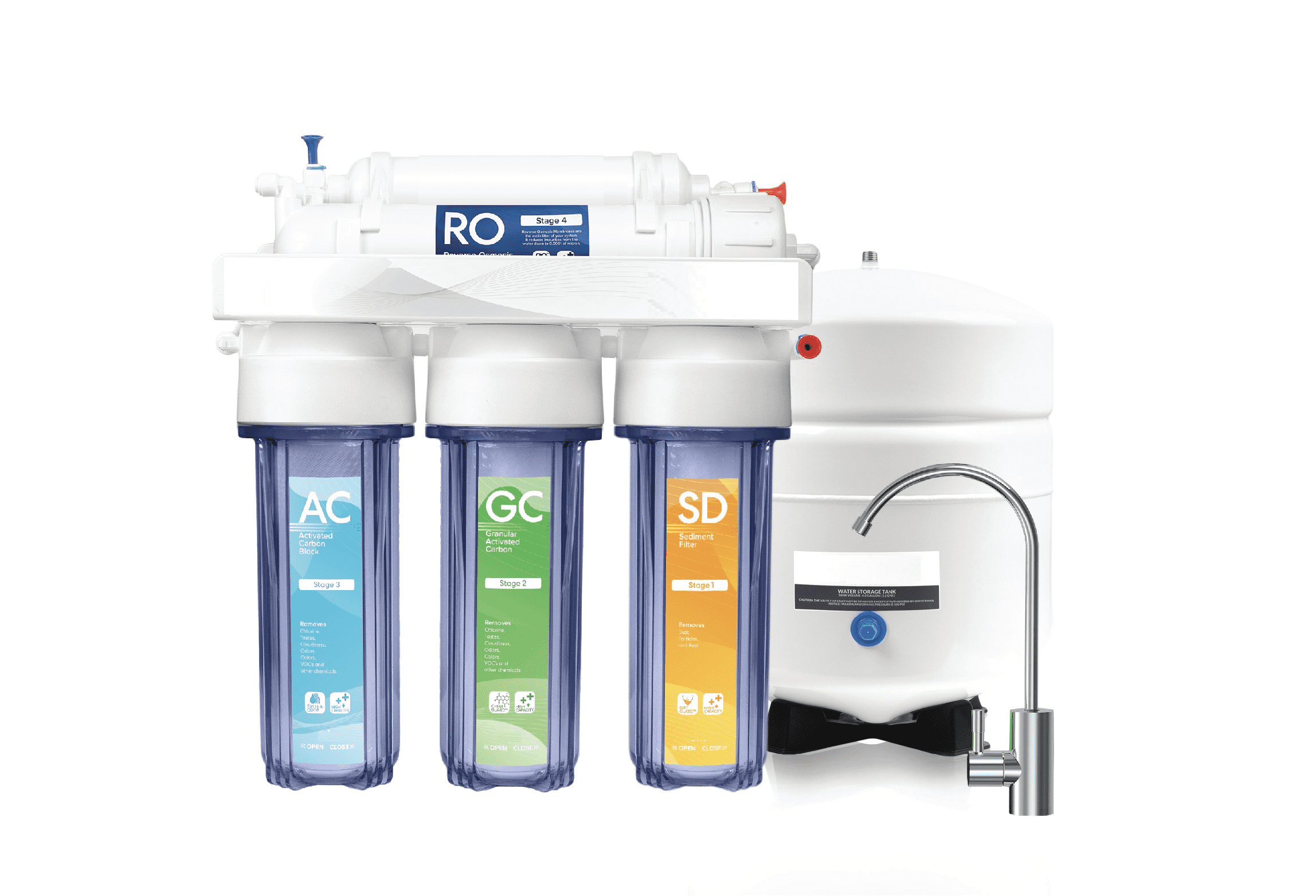
Your typical RO system isn’t just one filter—it’s a multi-stage drama with a cast of characters. First, a sediment filter catches the big particles like sand and rust. Then, a carbon filter grabs the chlorine and funky tastes. Finally, the RO membrane enters stage left and kicks out the rest: lead, arsenic, fluoride, nitrates, and even some bacteria.
And just when you think the show is over, there’s an optional final stage: a post-carbon filter that polishes the taste. So by the time the water drips into your glass, it’s been through a whole renaissance fair of purification. Honestly, this water has seen more life change than most of us have in a year.
Why you might actually need one (and why you might not)
Let’s get real: not everyone needs a $300 rig under the sink. If your tap water tastes fine and you live somewhere with pristine municipal water, you might be overkill central. But if your water tastes like a mineral explosion or you’re worried about contaminants from old pipes, an RO system is a certified game-changer.
Here’s the ironic part: people spend a fortune on bottled water thinking it’s pure, but much of it is literally just filtered tap water. An RO system gives you the same result without the plastic guilt or the annoying trips to the store. You become your own water bottling plant, and you get to feel smug about it.
 What Is Reverse Osmosis? – Ising's Culligan of Stockton
But wait—is it too good to be true?
Well, nothing’s perfect. Reverse osmosis removes minerals like calcium and magnesium too. Some folks argue that’s a bad thing because we need those for health. But honestly, you’re probably getting those minerals from food anyway—unless you’re eating a diet of pure cardboard. Still, if you’re worried, you can get a remineralization filter add-on that puts the good stuff back in.
Oh, and there’s waste water. For every gallon of filtered water, an RO system can waste 2 to 4 gallons down the drain. That’s a bit like ordering a pizza and having half the slices thrown away. But newer models (like tankless or high-efficiency ones) have improved that ratio, so you don’t have to feel like an environmental villain.
So, is it worth the fuss?
Look, installing an RO system isn’t a weekend craft project—you’ll probably need a bit of DIY confidence or a plumber who doesn’t charge movie-star rates. But once it’s in, you’ll be pouring water that’s so clean, you’ll start noticing the difference in your coffee, tea, and even ice cubes. Seriously, your morning brew will suddenly taste like real coffee, not watered-down bitterness.
And if you’re still skeptical, here’s my final pitch: imagine never having to worry about a “boil water advisory” again. Imagine your plants thriving on water that doesn’t have chlorine. Imagine your kettle never developing that scary white scale buildup. That’s the life RO offers—a life where your water is officially drama-free.
But hey, maybe you’re happy with your tap water, and that’s cool too. Just don’t blame me if you start eyeing your neighbor’s glass with envy. And if you do decide to go RO, just remember: you’re not buying a filter; you’re buying peace of mind—and water that doesn’t taste like a municipal inside joke.
