Whole House Reverse Osmosis Water Filtration

Let’s talk about water. The stuff coming out of your tap. It’s... fine, right? Sure, until you think about what's actually in it. We’re talking chlorine, lead, pesticides, and...
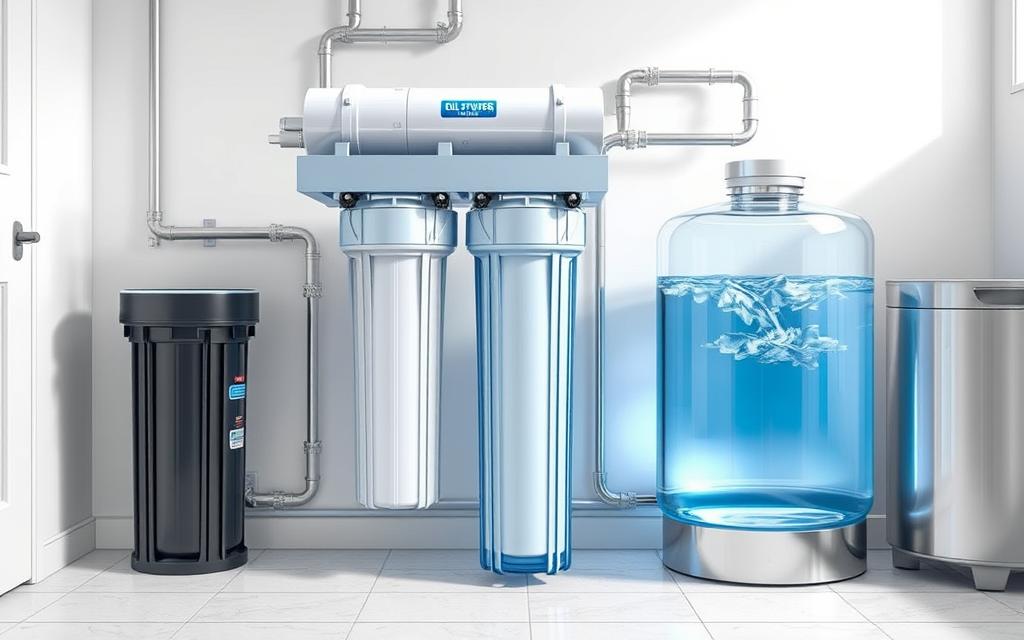
Let’s talk about water. The stuff coming out of your tap. It’s... fine, right? Sure, until you think about what's actually in it. We’re talking chlorine, lead, pesticides, and who knows what else. It’s basically a weird soup you didn’t order.
Enter the hero we didn't know we needed: Whole House Reverse Osmosis. Not just a filter for your drinking glass. Oh no. This is the boss level of water purification. It’s like giving your entire house a pristine, spa-grade water makeover.
What in the World Is Reverse Osmosis?
Imagine a bouncer at a very exclusive club. That’s a reverse osmosis membrane. It’s a semi-permeable sheet with pores so tiny, only water molecules can squeeze through. Everything else—the heavy metals, the bacteria, the weird tastes—gets kicked to the curb.
Must Read
The "reverse" part is the fun bit. Normally, water wants to equalize itself. But we force it through that membrane with pressure. It’s like convincing a lazy cat to run on a treadmill. It works, but it takes some serious motivation.
Why Go Whole House? (Spoiler: It’s Awesome)
A countertop filter is cute. A whole house system is a gladiator. It treats every single drop that enters your home. That means your shower, your washing machine, your toilet—all of it gets the VIP treatment.
Your skin will thank you. Hard water dries you out. Chlorine frazzles your hair. With whole house RO, you’re basically bathing in cloud juice. Your soap will lather like a champ. Your dishes will sparkle like they’re embarrassed by their own shine.
Think about your pipes. No more scale buildup from calcium and magnesium. Your water heater will live longer. Your faucets won’t get those crusty white deposits. It’s like giving your plumbing a youth serum.
The Quirky Science (That Sounds Fake But Isn’t)
Here’s a mind-bender: RO systems actually waste water. For every gallon of pure water you get, about 3 to 4 gallons get flushed away. Sounds terrible, right? Not exactly. That waste water is used to clean the membrane. It’s a necessary evil, like the awkward silence after a bad joke.
Modern systems are getting smarter. Some recycle that waste water for your lawn or toilet. So you’re still being eco-friendly, just with a weird, sci-fi middleman in your basement.
Fun fact: RO is used to make space station water. Astronauts drink recycled sweat and urine. Your whole house RO is basically giving you astronaut-grade water, minus the zero gravity and the freaky cherry juice packets. You’re welcome.
But Wait—Doesn’t It Take Out the Good Stuff?
Yes, it does. Reverse osmosis is a bully. It removes minerals like calcium and magnesium. Those are the "good" minerals. Some folks worry about that, but here’s the secret: you get those from food, not water. A glass of milk has more calcium than a swimming pool of tap water.
If you’re really worried, you can add a remineralization filter. It puts a pinch of fancy back into your water. Suddenly, your tap tastes like a mountain spring that charges $8 a bottle.
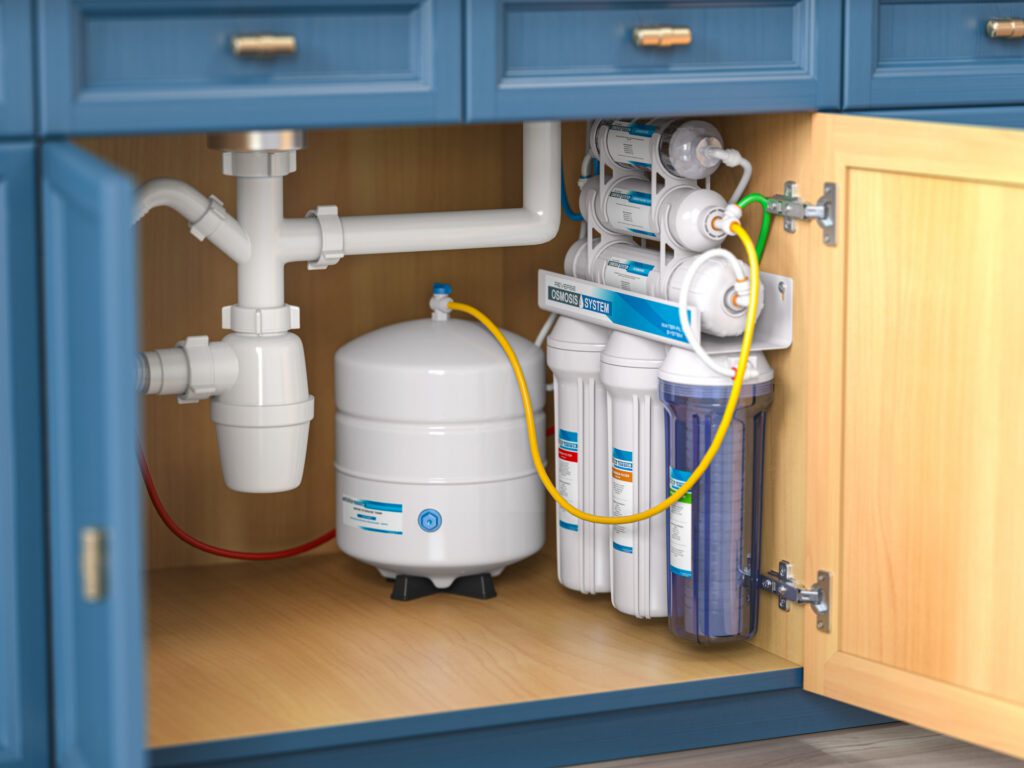 Whole House Water Filter • Meridian, ID - All About Water
The Installation: Not Always a Party
Let’s be real. This isn’t a weekend DIY project for the faint of heart. You’ll need a plumber. Or a friend who loves playing with pipes. The system needs space—usually a basement or a utility closet. It’s not huge, but it’s not a water bottle either.
The good news? Once it’s in, it’s quiet. No beeps, no glugs, no dramatic gurgles. It just waits, like a patient butler, ready to deliver perfection to every faucet. You’ll forget it’s even there. Until you take a sip of hotel water and instantly recoil.
The Cost: Is It Worth the Splurge?
This is the part where your wallet might cry. Whole house RO systems can cost $2,000 to $6,000 installed. Plus, the filters need replacing every year or two. It’s an investment, like a good mattress or a pet that doesn’t shed.
But think about what you save. No more bottled water. No more Brita pitchers. No more complaining about your bathtub rings. You’re paying for convenience and peace of mind. And the smug satisfaction of knowing your water is purer than a monk’s thoughts.
The Fun Part: Water Tasting (Yes, It’s a Thing)
Once you have RO water, you’ll start noticing how water actually tastes. Tap water is a messy cocktail. RO water is blank. It’s a crisp, neutral canvas. It makes your coffee taste better. Your ice cubes are clearer. Your lemonade tastes like lemon and sugar, not lemon, sugar, and a hint of pool supply.
Host a water tasting party. I’m serious. Place a glass of tap water, a glass of bottled water, and a glass of your RO water. Everyone will be shocked. The tap water will taste like a swamp. The RO water will taste like nothing, which is actually the highest compliment water can get.
The Big Finale: Should You Do It?
If you live in an area with terrible water, yes. If you hate buying plastic bottles, yes. If you want your showers to feel like a rainforest mist, abso-freaking-lutely. It’s not for everyone, but for the water snobs among us, it’s the ultimate flex.
So go ahead. Become that person who asks, "Is your water RO?" at dinner parties. Embrace the absurdity. Install a system that turns your home into a water sanctuary. Your hair, your skin, and your coffee will throw you a parade.
Just don’t let anyone water your plants with it. Pure water can actually hurt them. But hey—you’ll have the best-tasting ice cubes on the block.
