Reverse Osmosis Water System For Refrigerator

So, you want to talk about refrigerator water. The kind that comes out of that little door dispenser. It’s a modern miracle, right? Cold water, on demand. But what if I told y...
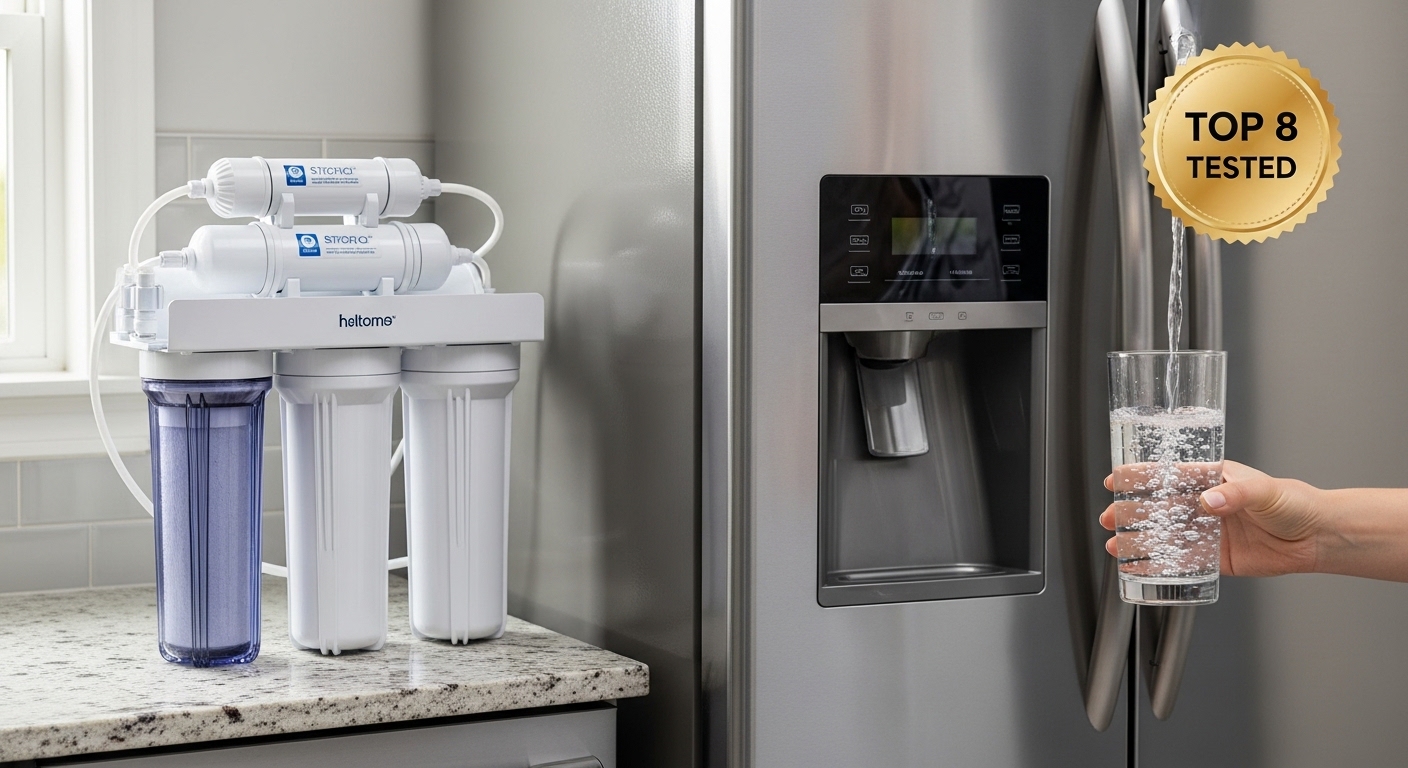
So, you want to talk about refrigerator water. The kind that comes out of that little door dispenser. It’s a modern miracle, right? Cold water, on demand. But what if I told you that miracle is often just tap water taking a very lazy shortcut?
That’s where the Reverse Osmosis (RO) system for your fridge swaggers in. It’s not just a filter. It’s a tiny, high-tech water treatment plant living under your sink. And it’s way more interesting than it sounds.
What Is This Magic Box?
Imagine a very picky bouncer at a club. That’s an RO membrane. It uses water pressure to push H2O through a semi-permeable sheet. Only the water molecules get through.
Must Read
Everything else—chlorine, lead, weird tastes, and even microscopic germs—gets kicked to the curb. It’s called “reject water.” Yes, the waste water is literally the rejected party guests.
Fun fact: RO systems create some waste water to stay clean. It’s the price of purity. But modern units are getting smarter and wasting less. Think of it as the system flushing the toilet to keep the faucet pristine.
Why Your Refrigerator Loves It
Your fridge’s built-in filter? It’s usually just a glorified carbon sponge. It catches big chunks and maybe some chlorine for taste. But it’s nothing compared to RO.
A reverse osmosis system strips out 99% of contaminants. That includes fluoride, arsenic, and even pharmaceuticals. Suddenly, your ice cubes aren’t just frozen water. They’re frozen perfection.
And here’s the weird part: RO water tastes flat at first. It’s so pure your tongue doesn’t know what to do. Some people add a pinch of minerals back in. It’s like giving your water a personality upgrade.
The Quirky Science Bits
Reverse osmosis sounds like a villain from a sci-fi movie, but it’s actually a natural process reversed. In nature, water moves from low-salt areas to high-salt areas. RO flips the script, forcing water to go from dirty to clean using pressure.
That pressure is key. Your home’s water pressure needs to be above 40 PSI. If it’s too low, the system throws a tantrum and produces almost nothing. It’s a diva, but a useful one.
A single RO system can filter up to 50 gallons per day. That’s enough for you, your fridge, your ice maker, and the dog’s bowl. Your Labrador will suddenly become a water snob. You’ve been warned.
The Funny Installation Story
Installing one is like building IKEA furniture, but with water paranoia. You have to drill a small hole in your sink drain for the waste line. If you mess up, your kitchen becomes a tiny water park.
Pro tip: Don’t do this at 11 PM on a Sunday. I learned this the hard way. The parts are tiny and brightly colored, and they all look like they belong in a spaceship.
 iSpring ICEK Fridge Connection and Ice Maker Kit for Reverse Osmosis
Once it’s running, you’ll hear a gentle gurgle every few minutes. That’s the system purging the rejected water. It’s oddly satisfying. Some people say it sounds like a happy stomach after a big meal.
The Ice Cube Revelation
Have you ever chewed a cloudy ice cube from your fridge? That’s trapped air and minerals. RO ice? It’s crystal clear. Like diamonds, but edible.
You can show off at parties. “Would you like a cube of hyper-filtered ice?” Your friends will be confused. They’ll also be jealous. You’ll become the hydration hero of your social circle.
It also means your coffee won’t taste like coffee and yesterday’s tap water. RO water makes for a cleaner cup. Your morning brew gets a PhD in flavor.
Is It For You?
If your tap water tastes like a swimming pool, yes. If you have hard water, RO is a godsend. It also extends the life of your fridge’s ice maker because it sees less gunk.
But there’s a catch: it’s slow. You won’t fill a pitcher in ten seconds. It drips. It trickles. It’s the tortoise of the water world. Luckily, it fills a small tank, so your fridge always has a reservoir ready.
Cost? A decent system runs about $150 to $300. Filters need changing every six to twelve months. That’s cheaper than buying bottled water and way better for the planet. Plus, you look cool.
The Weirdest Bonus
RO water is so pure that plants sometimes reject it. They miss the minerals. So your cat drinks the fancy water, and your fern gets the tap. It’s a hierarchy of hydration you never knew you needed.
Another quirk: the waste water can be collected and used for washing dishes or watering non-finicky plants. It’s not drinkable, but it’s not useless. You’re essentially a water recycling ninja.
One last thing: never drink RO water from a plastic bottle left in the sun. The pure water leaches chemicals from the plastic faster. Drink it fresh. Like a water snob. Because now you are one.
So go ahead. Give your fridge a RO upgrade. Your taste buds will high-five you. Your ice cubes will sparkle. And you’ll have a fun story about that one time you debated the merits of semi-permeable membranes at a dinner party. You’re welcome.
