How Can We Tell If Water Is Polluted Or Clean

Have you ever looked at a stream and wondered, “Is this safe to dip my toes in?” You’re not alone. Figuring out if water is clean or polluted sounds like a job for a scientist...
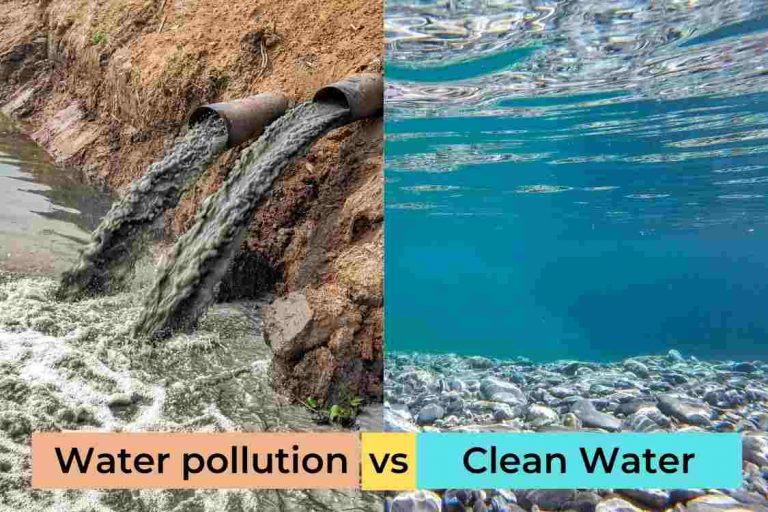
Have you ever looked at a stream and wondered, “Is this safe to dip my toes in?” You’re not alone. Figuring out if water is clean or polluted sounds like a job for a scientist in a lab coat, right? Well, grab your sunscreen and a sense of adventure, because you can actually be a water detective today.
The Eyes Have It: Your First Clue
Start with a simple look. Clear water is a good sign, but it’s not a guarantee. Murky, green, or slimy water often means algae are throwing a party—and not the fun kind.
If you spot foam that looks like leftover bubble bath, that’s a red flag. Natural foam is usually a light brown and disappears quickly; synthetic foam sits there like a stubborn stain.
Must Read
Watch out for a colored sheen on the surface—like a rainbow you’d see on an oily puddle. That’s not a prize-winning painting; it’s likely petroleum or chemicals.
Your Nose Knows Best
Now, take a very careful sniff. Clean water usually smells like… well, almost nothing. Maybe a faint earthy scent from minerals.
If you get a whiff of rotten eggs, you’re smelling hydrogen sulfide—a definite sign of sewage or rotting organic waste. Don’t hang around for a second sniff.
A chemical, gasoline, or bleach odor is a dead giveaway of pollution. Trust your nose: it’s your built-in alarm system, and it’s usually right.
Get Your Hands… Almost Wet
Here’s where the fun sneaks in: touch the water (if it’s not obviously gross). Dip a stick or your fingers into the edge. Clean water feels soft and cool.
If it feels slimy or sticky? That’s often a sign of excessive algae or dissolved chemicals. Not the kind of slime you want in a science project.
Is the water temperature way warmer than the air? Hot water runoff from factories or pavement can be a pollutant too—fish hate hot baths.
The Living Lab Test
Now for the most inspiring part: look for life. Clean water is a bustling neighborhood of critters. Duck under a rock and see if there are insects like mayfly nymphs, caddisflies, or stoneflies.
These little guys are super picky about water quality. If you spot them, you’ve found a clean water goldmine. If you only see leeches or mosquito larvae, the water is likely polluted.
 3d Flat icon as Pollution and Clean River concept as A view showing a
And if there are zero bugs? That’s like a ghost town—usually a bad sign. You can even make a “bug chart” with your friends for a real citizen science project.
When to Call in the Pros
Let’s be real: you won’t test for heavy metals or bacteria with your homemade kit. For drinking water, always use a certified test kit or local lab testing.
But here’s the secret: you can be the first line of defense. Reporting a smelly creek or a dead zone to local environmental groups is a superpower.
Even just noticing changes in your local pond makes you curious, which is the main ingredient for protecting the planet.
Why This Makes Life More Fun
Think of it as a treasure hunt where the prize is knowledge. Next time you’re on a hike, you’re not just walking; you’re investigating.
You’ll start noticing how your local stream changes after a rainstorm or how it flows differently in summer. It turns a boring puddle into a mini-drama.
Plus, you’ll impress your friends when you can say, “Hey, that foam? Definitely not natural. Avoid that spot.” You’ll be the hero of the picnic.
The Uplifting Finale
Here’s the beautiful truth: water wants to be clean. It has an amazing ability to heal itself—if we let it. By learning to spot pollution, you become part of that healing.
Every time you check a stream, you’re saying, “I care about this planet.” And that’s not just science—that’s love in action.
So go ahead: grab a jar, a notebook, and a sense of wonder. The next puddle, river, or lake you meet is a story waiting to be told. And you—yes, you—are the perfect person to read it.
