Acceptable Chlorine Levels For Drinking Water

Let’s be real: the word “chlorine” doesn’t exactly scream “delicious sip,” does it? It sounds more like something you’d use to clean a pool—or accidentally spill on your favor...
Let’s be real: the word “chlorine” doesn’t exactly scream “delicious sip,” does it? It sounds more like something you’d use to clean a pool—or accidentally spill on your favorite T-shirt. But here’s the thing: that little bit of chlorine in your tap water is actually the unsung hero keeping you from really regretting your morning glass of H2O.
We’re talking about the acceptable chlorine levels for drinking water. And yes, it’s way more fun (and less scary) than it sounds. Grab your water bottle, and let’s dive in—no goggles required.
Why is there even chlorine in your water?
Think of chlorine as that overprotective friend who checks for monster under your bed. It’s there to kill the bad guys—like bacteria, viruses, and other creepy-crawlies that would love to throw a party in your gut. Without it, your faucet might as well be a dive bar for germs.
Must Read
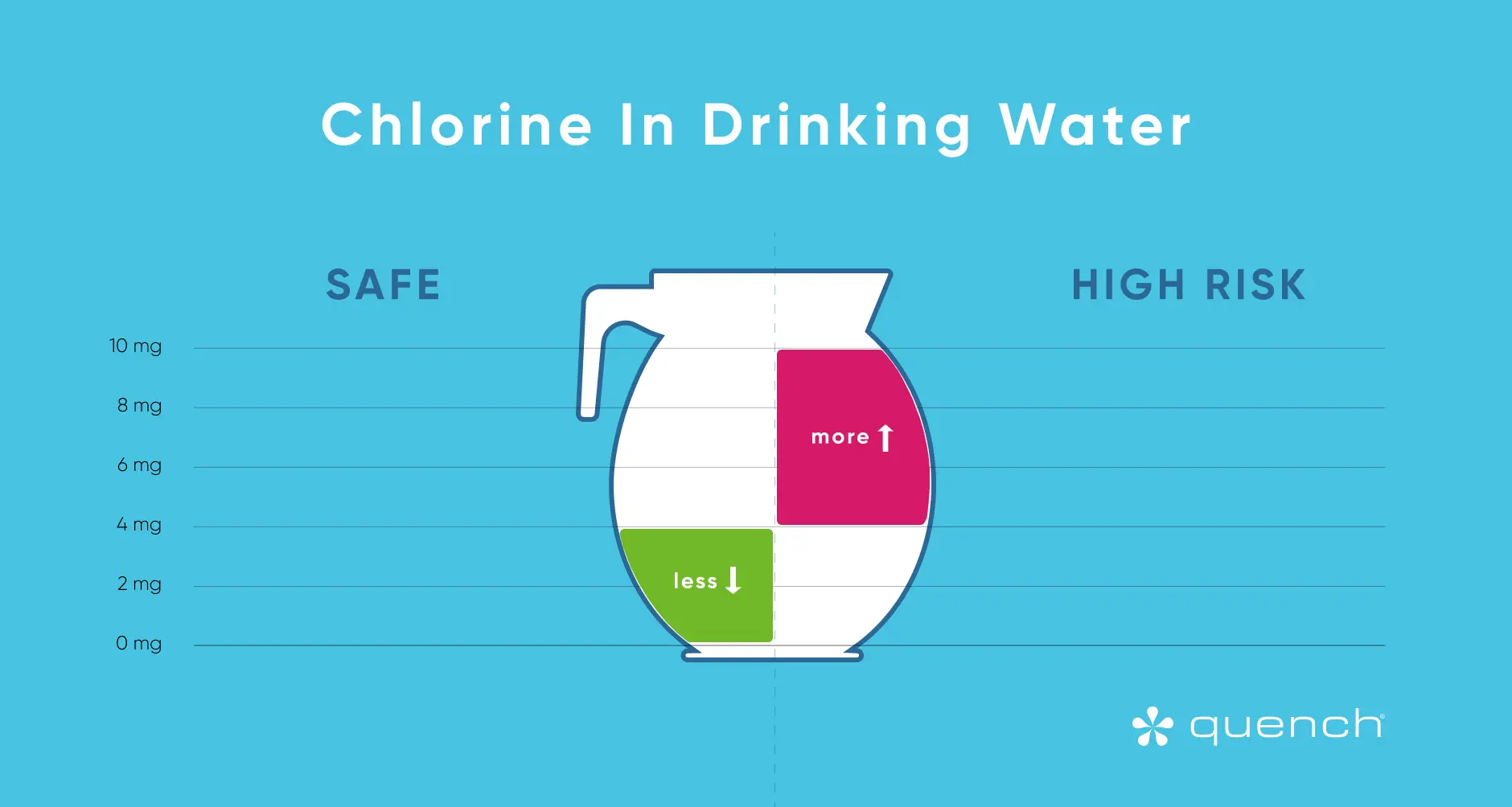
The U.S. Environmental Protection Agency (EPA) has set a very specific, science-y rule: the maximum level of chlorine in drinking water is 4 milligrams per liter (or 4 parts per million). That’s like one tiny drop of bleach in a giant swimming pool. Seriously, it’s that small.
So, what’s the sweet spot? Ideally, you want between 0.5 and 2.0 parts per million by the time it reaches your glass. That’s enough to keep things clean, but not so much that you start smelling like a community pool after a shower.
What happens if there’s too little chlorine?
If chlorine levels dip too low, you’re basically inviting microscopic hitchhikers to a free buffet. That’s bad news—think stomach bugs, waterborne diseases, and a very unhappy toilet. The EPA says the minimum level is often around 0.2 mg/L at the tap, though it varies by location.
Water utilities are like ninjas: they add just enough to keep the water safe as it travels through miles of pipes to your home. Too little, and the bad guys win. Too much, and you’re basically drinking pool water. Balance, people. Balance.
And what if there’s too much?
If your tap water tastes like a bleach sandwich, you might be dealing with levels above 4.0 mg/L. That’s the EPA’s “hard no” limit. It’s not toxic in small doses, but it can irritate your throat or smell like a laundromat explosion. Not exactly refreshing.
Most people can detect chlorine by taste or smell at levels around 0.3 to 1.0 mg/L. So if you’re sniffing your glass and cringing, it’s likely still safe—just a little enthusiastic on the cleaning front. Let it sit in a pitcher for a few minutes; chlorine evaporates like a drama queen leaving a party.
Is that “pool taste” dangerous?
Nope. Usually, it’s just a sign your water has been well-disinfected. The actual danger zone is above 4.0 mg/L, which is pretty rare in municipal systems. Think of it like coffee: too little, and you’re miserable. Too much, and you’re vibrating. But a nice, balanced cup? Perfect.
 can you filter out chlorine from drinking water - Olympian Water
In fact, studies show that long-term exposure to levels above 4.0 mg/L can cause eye and nose irritation. But here’s the punchline: most water systems never get even close to that number. They’re careful because nobody wants a call from an angry customer who smells like a hotel jacuzzi.
How can you check your own water?
You can buy a simple chlorine test kit at a hardware store or online for under $15. It’s like a pH test for your aquarium, but for your sink. Dip, wait, and done. If it shows levels above 4.0 mg/L, call your water utility immediately.
Or—and this is the lazy person’s move—look up your local water quality report. In the U.S., utilities are required to send you one every year. It’s like the report card your mom never forced you to put on the fridge, but actually useful.
What about bottled water?
Surprise! Many bottled waters also contain chlorine or chloramine (a chlorine relative) to keep them fresh. The levels are usually lower than tap water, but don’t assume it’s a chlorine-free oasis. It’s just better at hiding its personality.
And if you really dislike the taste, a simple carbon filter pitcher (like Brita or Pur) removes most of the chlorine. Boom—you’ve upgraded from “poolside” to “spring morning.” You’re welcome.
Uplifting conclusion: Your water is a superhero in disguise
So, here’s the takeaway: that faint whiff of chlorine in your tap water isn’t a flaw. It’s a badge of honor. It means your water has faced down millions of invisible enemies and won—all before you took a single sip. It’s like your water is wearing a tiny cape and flexing, just for you.
And the best part? You can relax. The acceptable range (0.2 to 4.0 mg/L) is wide enough to keep you safe, but tight enough to keep you smiling. So go ahead, fill up that glass. Cheers to the chemical guardian angel that makes your morning hydration possible—without making you smell like a swim meet. Now go drink up, you beautiful, well-hydrated human. 🚰
