How Often Should A Water Softener Be Serviced

Let’s be honest: your water softener isn’t exactly the life of the party. It sits quietly in the basement or garage, doing the hard work of scrubbing minerals out of your wate...
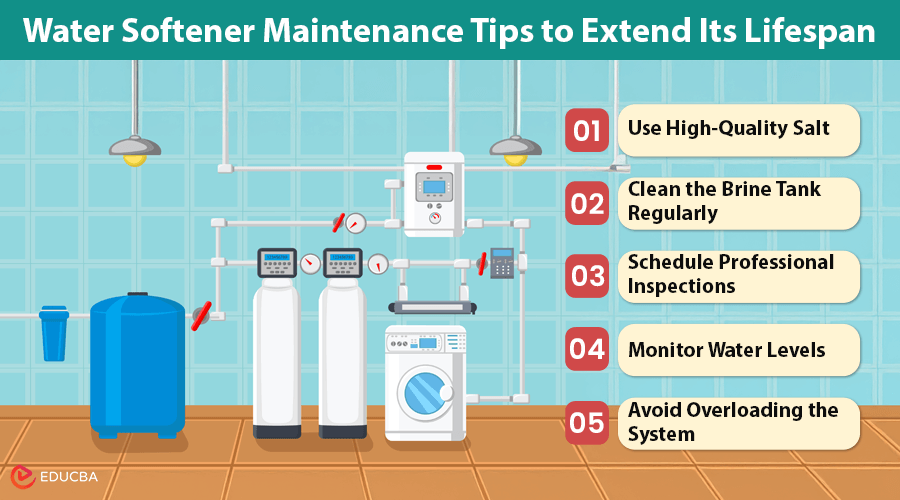
Let’s be honest: your water softener isn’t exactly the life of the party. It sits quietly in the basement or garage, doing the hard work of scrubbing minerals out of your water while you enjoy silky showers and spotless glasses. But like that perpetually under-appreciated friend who always brings snacks, it needs a little TLC to keep showing up. So, how often should you actually service the thing?
The Magic Number (and Why It’s Not Just “When It Breaks”)
Most manufacturers and plumbers will tell you to schedule a professional service once a year. Think of it as a dental checkup for your pipes—boring but essential. Skipping it is like setting a yearly reminder to change your air filter and then hitting “snooze” for three years in a row.
That annual visit isn’t just a suggestion. A technician will clean the resin bed, check the brine tank for salt bridges (those crusty mineral towers that look like alien stalagmites), and test the water output. Trust us, a small crust of salt is easier to handle than a full system clog.
Must Read
But here’s where it gets interesting: your lifestyle changes the math. If you live in a high-iron area (looking at you, Midwest and parts of New England), you might need service every six months. Iron is the system’s kryptonite—it gunks up the resin faster than a toddler with a chocolate bar.
The “Every Six Months” Rule of Thumb
Check your resin tank for a slimy, red-orange residue. If you see it, you’ve got iron bacteria—a fancy term for “gunk that smells like a rusty penny.” This little menace loves warm, mineral-rich water and will happily colonize your softener if you don’t flush it out twice a year.
Similarly, if you have a whole-house water filter before your softener, your softener is basically on vacation—it might only need service every 18 to 24 months. But don’t get cocky. A pre-filter just buys you time; it doesn’t eliminate maintenance.
The easiest trick? Set a recurring calendar reminder for your birthday and a random opposite month (say, June and December). That way, you’ll always have a fresh system and an excuse to buy yourself a new water pitcher.
DIY Heroics: What You Can Do Monthly
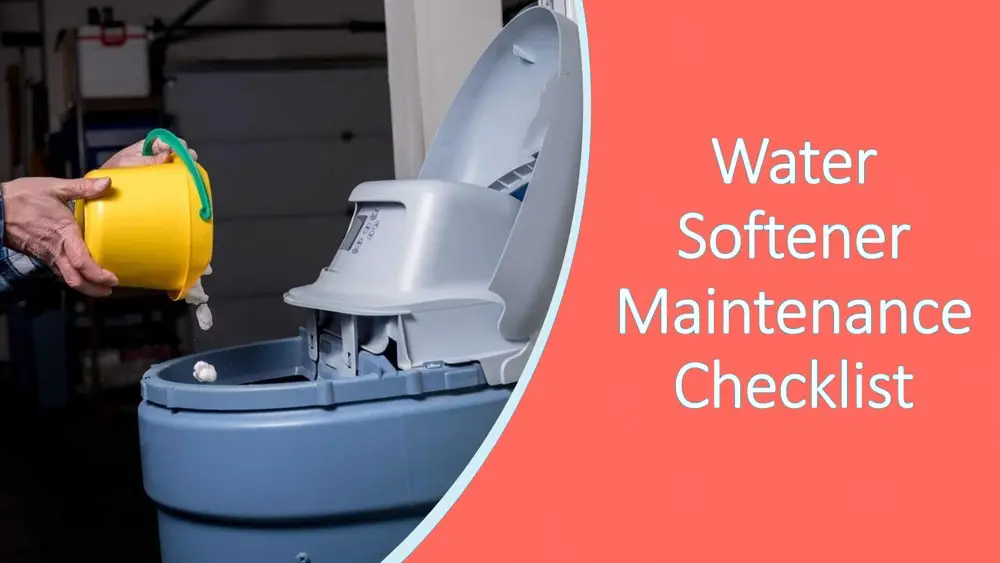
You don’t need a degree in plumbing to keep your softener happy. Every four to six weeks, do a quick visual check on the brine tank. Is the salt level above the water? If not, refill it—but stop at three-quarters full to avoid clumping.
Peek inside the tank for that dreaded salt bridge. If you see a hard crust on top, gently break it with a long-handled tool. Do not use a metal rod—that can scratch the tank’s interior lining. A wooden spoon or a plastic broom handle works like a charm.
Also, run a manual regeneration cycle once a month during heavy-use seasons (hello, summer guests and holiday laundry). It’s like pressing a reset button on your water. Your dishwasher will thank you with sparkly glasses.
 Water Softener Maintenance Checklist 2024 - The Home Guide
The Ultimate Fun Fact
Did you know the average American household uses about 80 gallons of softened water per day? That’s roughly the volume of a bathtub full of baby elephants (okay, math may not scale perfectly, but you get the point). All that water flows through that little box of resin beads. Treat it well, and it will treat your skin, hair, and laundry like royalty.
In Japan, some households treat water softeners with the same reverence as a bonsai tree—they clean the resin every three months. Overkill? Maybe. But their tap water runs so soft you could shave a cat with it (please don’t). The cultural lesson here is preventive care beats emergency repairs every time.
When to Call the Pros (Even if You’re a DIY Rockstar)
If your water starts tasting salty, your brine tank is making weird gurgling noises, or your dishes come out with white film, it’s time for a professional deep-clean. That’s not a job for a YouTube tutorial and a prayer.
Beware of the “five-year slump.” By year five, resin beads naturally degrade and lose their ability to grab minerals. A technician can test the bead efficiency—if it’s below 70%, you’ll need a resin replacement. That’s a $200–$400 fix, but it’s cheaper than buying a whole new unit.
Lastly, if your softener is older than ten years, consider upgrading rather than servicing. Modern units use way less salt and water during regeneration. Think of it like trading a gas-guzzler for a hybrid—better for the planet, better for your wallet.
A Little Reflection for Your Daily Ritual
You probably don’t think about your water softener while you’re lathering up in the shower or pouring a glass of water. But that invisible effort—the grinding of minerals, the gentle hum of the motor—is part of your daily comfort. Servicing it once a year is less about preventing a breakdown and more about honoring the quiet systems that make your life easy.
The next time you run a load of laundry and the towels come out fluffy, take a small moment to appreciate the machine downstairs. It’s not glamorous. It doesn’t shout for attention. But neither does a good friend who always has your back. And that’s worth an annual checkup, don’t you think?
