Distilled Water And Purified Water Difference

Let’s be real: most of us don’t spend our Sunday mornings pondering the molecular differences between water bottles. But if you’ve ever stood in the grocery aisle, staring at...
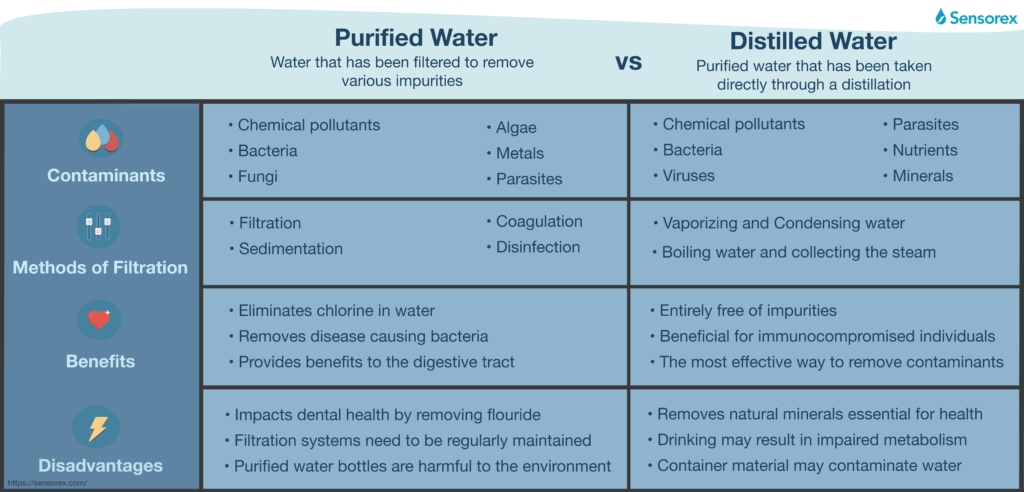
Let’s be real: most of us don’t spend our Sunday mornings pondering the molecular differences between water bottles. But if you’ve ever stood in the grocery aisle, staring at a jug of distilled water next to a sleek bottle of purified water, you’ve probably felt that little tickle of confusion. It’s time to clear the air—and the water.
Here’s the headline: All distilled water is purified, but not all purified water is distilled. Think of it like the difference between a tailored suit and a nice off-the-rack blazer. Both look sharp, but one went through a much more intense process to get there.
The Chemistry of Chill
Distilled water is the old-school purist. It’s made by boiling water until it turns to steam, then condensing that steam back into liquid. This process leaves behind almost everything that isn’t H₂O—minerals, bacteria, and even that faint metallic taste from tap water.
Must Read
Purified water, on the other hand, is a broader category. It’s water that’s been treated by any method—reverse osmosis, deionization, carbon filtration, or distillation itself—to remove chemical contaminants. The goal? Hit a specific purity standard (usually less than 10 parts per million of total dissolved solids).
So if Distilled Water is the VIP lounge, Purified Water is the entire airport lounge system. They’re both exclusive, but one is just a bit more, well, extra.
Fun Fact: The “Flat” Taste Mystery
Ever notice that distilled water tastes a little… empty? That’s because your taste buds are used to minerals like calcium and magnesium. Without them, water can taste flat or almost sweet. It’s like listening to a song with the bass turned all the way down.
This is why coffee snobs often avoid distilled water—they claim it makes a weak brew. Meanwhile, purified water (like from a Brita filter) keeps some minerals, giving your morning cup that full-bodied vibe. Your palate is a drama queen, and it knows what it wants.
When to Choose Your Water Wisely
Let’s talk practicality. Distilled water is your best friend in three specific situations: medical devices (think CPAP machines), battery top-offs (car batteries hate mineral buildup), and steam irons (no one wants white crust on a silk blouse). It’s also the hydration of choice for those with compromised immune systems because it’s essentially sterile.
Purified water, however, is your everyday hero. Most bottled water you buy is purified (look for “purified by reverse osmosis” on the label). It’s great for drinking, cooking, and filling your cat’s fancy water fountain—because yes, Mittens deserves the good stuff too.
And here’s a little cultural nugget: in Japan, many convenience stores sell “soft water” which is essentially lightly filtered water. They believe hard water is for washing, not sipping. The French, meanwhile, will argue about the mineral content of Evian vs. Volvic the way Americans argue about barbecue sauce. Water is personal, people.
 Distilled vs. Purified Water: What’s the Difference? – Waterdrop Europe
The Sustainability Side Hustle
Before you buy a pallet of plastic bottles, let’s talk footprint. Distillation is an energy hog—it takes a lot of electricity to boil and condense water. Purification methods like carbon filtration are far more eco-friendly. A simple countertop filter can give you purified water for pennies a gallon, with zero plastic waste.
Pro tip: if you’re camping and need safe drinking water, a portable purification straw (like a LifeStraw) is your MVP. Distilling over a campfire is a vibe, but it’s also a time suck. Modern problems require modern, efficient solutions.
The Celebrity Connection
Distilled water has a weirdly glamorous history. In the 19th century, wealthy Europeans would buy “rain water” collected in pristine countryside barrels—basically nature’s version of distillation. Today, celebrities like Gwyneth Paltrow have reportedly filled their homes with distilled water for skincare (less mineral residue on expensive towels).
But here’s the plot twist: some health gurus warn that drinking only distilled water can actually leach minerals from your body over time. The science is thin, but it’s enough to make you think twice before swapping your tap for pure H₂O. Balance, as always, is key. Your body is not a chemistry experiment—it’s more like a very patient ecosystem.
Practical Tip: The Taste Test
Try this at home: pour a glass of tap water, a glass of distilled (buy a jug), and a glass of purified (Brita or store-bought). Chill them all to the same temperature. Taste them blindfolded. You’ll notice that tap water has the most “character” (read: chlorine and minerals), distilled tastes like air, and purified sits somewhere in the middle, refreshing and neutral.
Now, ask yourself: which one do you actually want to drink all day? The answer likely isn’t distilled. Unless you’re a steam iron. Know thy appliance, know thyself.
A Short Reflection on Daily Life
At the end of the day, the water we choose to drink is a small ritual—a quiet act of self-care that’s easy to overlook. Whether you’re reaching for the purified bottle because it tastes like “nothing” (which, ironically, is the goal), or you’re distilling a batch for your humidifier while you sleep, you’re participating in a centuries-old human quest for clean water.
So next time you fill your glass, give a little nod to the process. The boilers, the filters, the membranes—they’re all working so you can stay hydrated without thinking about it. And maybe, just maybe, you’ll remember that clarity isn’t just a water quality; it’s a pretty good life goal too.
