Is Distilled Water The Same As Purified Water

Picture this: You’re standing in the water aisle of your local grocery store, staring at shelves of plastic bottles. A dusty “Distilled” bottle glares at you from the left, wh...
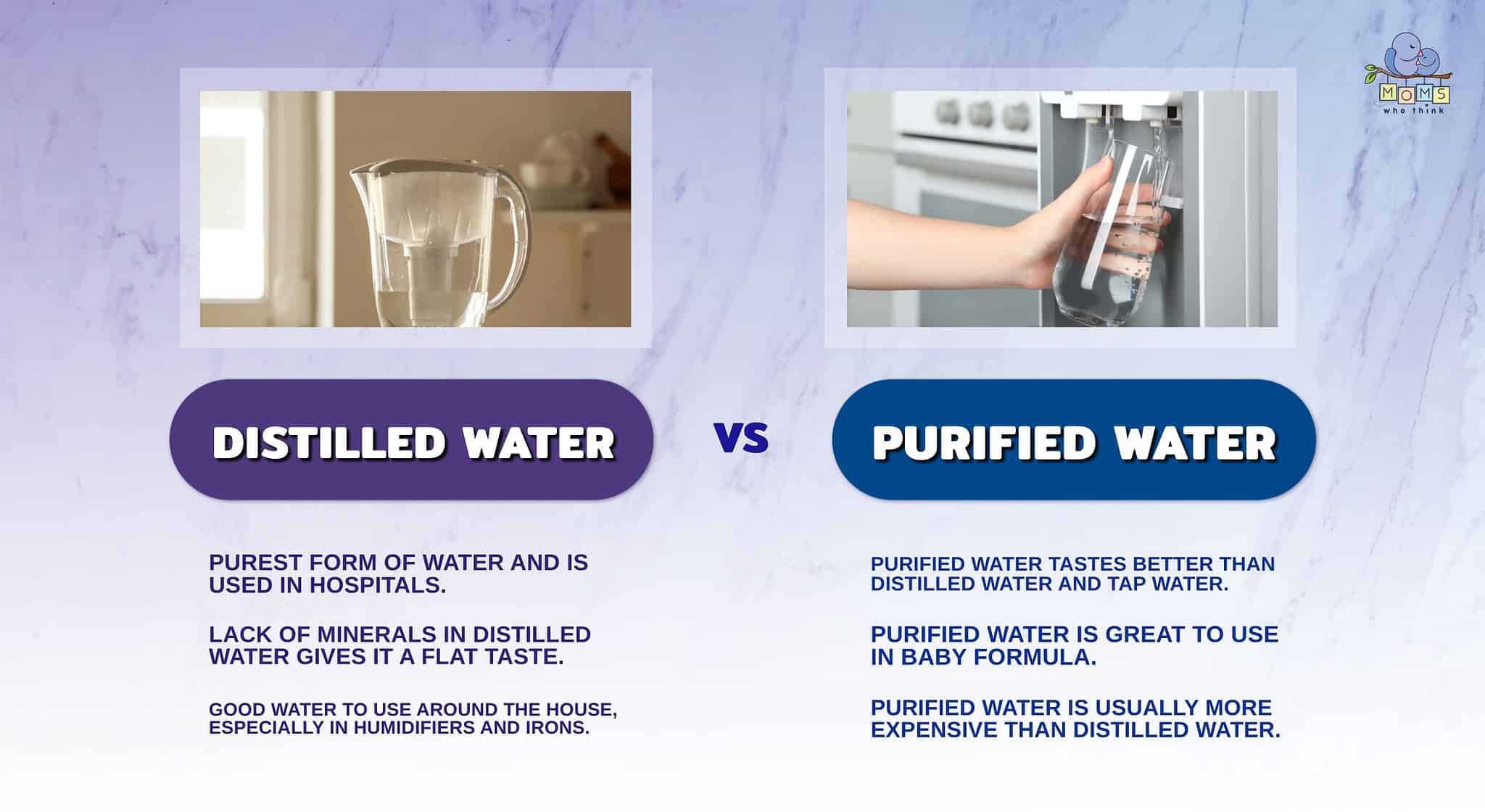
Picture this: You’re standing in the water aisle of your local grocery store, staring at shelves of plastic bottles. A dusty “Distilled” bottle glares at you from the left, while a sleek “Purified” bottle winks from the right. You’ve got exactly 3.2 seconds before your toddler starts yanking boxes of cereal off the shelf. Are these two waters the same thing? The short answer is no, but the long answer is way funnier and weirder than you think.
The Great Water Identity Crisis
Let’s start with the obvious: both distilled and purified water have been scrubbed cleaner than a nun’s kitchen floor. Purified water is a broad umbrella term for any water that’s had at least 99.5% of its impurities removed. Distilled water is just one specific, dramatic way to get there—like the method actor of the water world.
Distillation is basically water’s version of a spa vacation. You boil the water until it turns to steam, catch that steam, and let it condense back into liquid. All the minerals, bacteria, and even tiny plastic bits stay behind like unwanted party guests. It’s incredibly effective, but also a bit theatrical—imagine your kitchen kettle having a tantrum and leaving a pile of ghost salt behind.
Must Read
Purified water, on the other hand, can be made via reverse osmosis, deionization, or carbon filtering. These processes are more like a polite bouncer who gently escorts impurities out the back door. Both methods give you water that’s technically “purified,” but they don’t always finish with the same taste or mineral content.
Wait, So Which One Should I Drink?
Honestly? Unless you’re a lab scientist or a coffee snob, you probably won’t notice a huge difference. Distilled water tastes flat because it’s missing those minerals (calcium, magnesium) that give water its zip. It’s like drinking the ghost of a rain cloud. Some people swear they can tell—but let’s be real, most of us can’t even tell tap water from bottled in a blind taste test after a long run.
Here’s a surprising fact: distilled water actually absorbs minerals from your body because it’s so pure. Don’t panic—you’d need to drink gallons a day for it to mess with you. But if you’re hydrating after a marathon, it’s like sending a thirsty vampire into a blood bank. That’s why mountain climbers and astronauts often add electrolyte tablets back into distilled water. Yes, astronauts poop in a vacuum and then drink recycled sweat, so they know a thing or two about water.
The Real World Uses (That Are Hilarious)
Distilled water is the star of your garage, not your kitchen. It’s the best thing for your car battery or steam iron because it won’t leave mineral crusts. Nobody wants their iron spewing white calcium flakes onto their wedding shirt. Purified water is easier to find and cheaper to produce, so it’s what you usually buy in those clear jugs.
 Key Differences: Boiled Water vs. Distilled Water | H2GO Water Bottle
But here’s the kicker: the FDA is surprisingly chill about labels. Bottled water labeled “purified” can actually be tap water that’s been reverse-osmosed. Meanwhile, “distilled” must be, well, distilled. So if you want to sound fancy at a party, say, “I only drink water that has been emotionally processed through steam.” Then everyone will avoid you, which is also fine.
The Elephant in the Bottle: Plastic and Price
Here’s where it gets really unhinged. Both distilled and purified water often sit in plastic bottles that seep microplastics into the water over time. You’re paying extra for water that might be cleaner at the factory but dirtier by the time it hits your lips. Talk about a plot twist. A glass of tap water from Flint, Michigan? Okay, bad example. But from most municipal taps? Often just as good, and it costs a nickel.
If you’re really worried, buy a home distiller. They look like a science experiment from a 1950s sci-fi movie—like a chrome robot vomiting steam. You’ll feel like Dr. Frankenstein and get pure water. The catch? It takes four hours to make one gallon. You will be the most dehydrated mad scientist on the block.
The Final Verdict (Served Over Ice)
So, are they the same? No, but they’re cousins who share a hairline. Distilled water is the drama queen; purified water is the practical sibling. If you’re filling a humidifier or an aquarium, use distilled—otherwise, save your money. Your kidneys don’t care about the difference, and your taste buds are lying to you half the time anyway.
Next time you’re in that aisle, just grab whichever bottle has the coolest design. Or better yet, fill a reusable bottle from your tap, run it through a Brita, and whisper, “I am water’s final boss.” Then walk away, leaving the distilled vs. purified debate for the people who own steam irons and existential dread.
