Iron And Manganese Removal In Water Treatment

Let’s be honest: water treatment doesn’t exactly scream “party time,” does it? But stick with me, because we’re about to get cozy with two tiny troublemakers: iron and mangane...
Let’s be honest: water treatment doesn’t exactly scream “party time,” does it? But stick with me, because we’re about to get cozy with two tiny troublemakers: iron and manganese. When they show up in your tap water, they don’t just ruin your laundry—they can make your morning coffee look like swamp juice.
Imagine turning on the faucet and seeing a stream that looks like rusty soda or has a weird, inky tint. That’s iron and manganese doing their dirty work, staining your sinks and leaving your ice cubes looking like little muddy dice. Yuck, right? But here’s the kicker: fixing this isn’t just about clean glasses—it’s about making your whole day brighter.
So, Why Do We Even Have These Metals?
Iron and manganese are natural rock stars—literally. They’re found in soil and rocks, and groundwater just loves to pick them up as it travels underground. Think of them as hitchhikers that crash your water supply for a free ride.
Must Read
Don’t panic! They’re not usually dangerous in small amounts, but they are annoying. They give water a metallic taste, turn your white shirts orange, and can even clog your pipes with slimy brown gunk. Nobody signed up for that.
The Magic Trick: Getting Them Out
Removing iron and manganese is like teaching a toddler to share—it takes a specific trick for each personality. For clear water iron (the sneaky kind you can’t see), we use oxidation. That’s a fancy way of saying we add air or a little chlorine to make the iron “solid” so it can be filtered out.
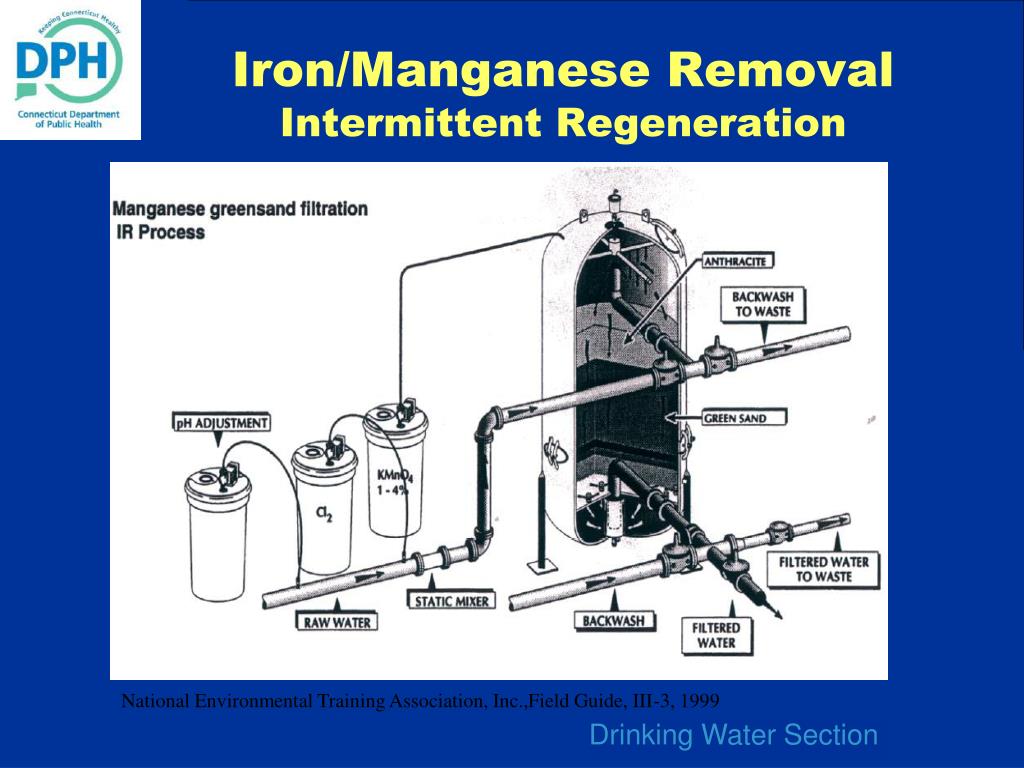
For the dissolved manganese (the moody one), we might use a special filter media called greensand, which acts like a magnet. It grabs those metals and holds them tight, so your water comes out crystal clear. Easy, right? Well, it takes a bit of chemistry, but the result is pure refreshment.
Sometimes, a water softener can help, too. But here’s the fun part: once you understand the process, you feel like a water wizard. You’re literally telling rusty molecules, “Sorry, you’re not invited to this glass.”
Why This Makes Life More Fun
Okay, “fun” might be a stretch—but think of this: no more orange bathtub rings. No more explaining to house guests why your ice cubes look like they’ve been in a mud fight. Your hair will feel softer, your coffee will taste like coffee instead of pennies, and your white socks will stay white.
 Iron and Manganese Removal in Water Systems - Clear Water Industries
That’s not just clean water—that’s freedom from annoyance. And freedom? That’s always fun. Plus, you get to impress your friends by casually dropping words like “oxidation” and “manganese sequestration.” You’ll sound like a water genius at dinner parties.
Don’t Forget the Sweat Equity
If you’re a DIY hero, you can test your water with a simple kit from the hardware store. Then you’ll know if you’re dealing with iron, manganese, or both. Spoiler alert: it’s often both, because they’re clingy.
For stubborn cases, you might need a pro with a special filtration system. But that’s okay—every great quest has a guide. The point is, you’re in control. You’re not stuck with swamp water; you’re just one system away from clarity.
An Uplifting Note for Your Next Glass
So the next time you pour a cold drink, take a moment to appreciate the invisible battle that happened before you. Somewhere in a tank, iron and manganese were politely shown the door. Cheers to that!
Life is full of messy things we can’t control, but your tap water doesn’t have to be one of them. With a little knowledge and the right tools, you can turn your supply from rusty to glorious. And honestly? That’s a pretty inspiring superpower.
Go ahead, learn more. Dive into the science. Maybe even become the person who brings a water test kit to a party (weirdly, people will love you for it). The water’s fine—and it’s about to get even better.
