Salt Free Water Conditioner Vs Water Softener

You’re standing in the home goods aisle, staring at two very different boxes: one promises “salt-free conditioning,” the other “softening.” It feels like choosing between a gr...
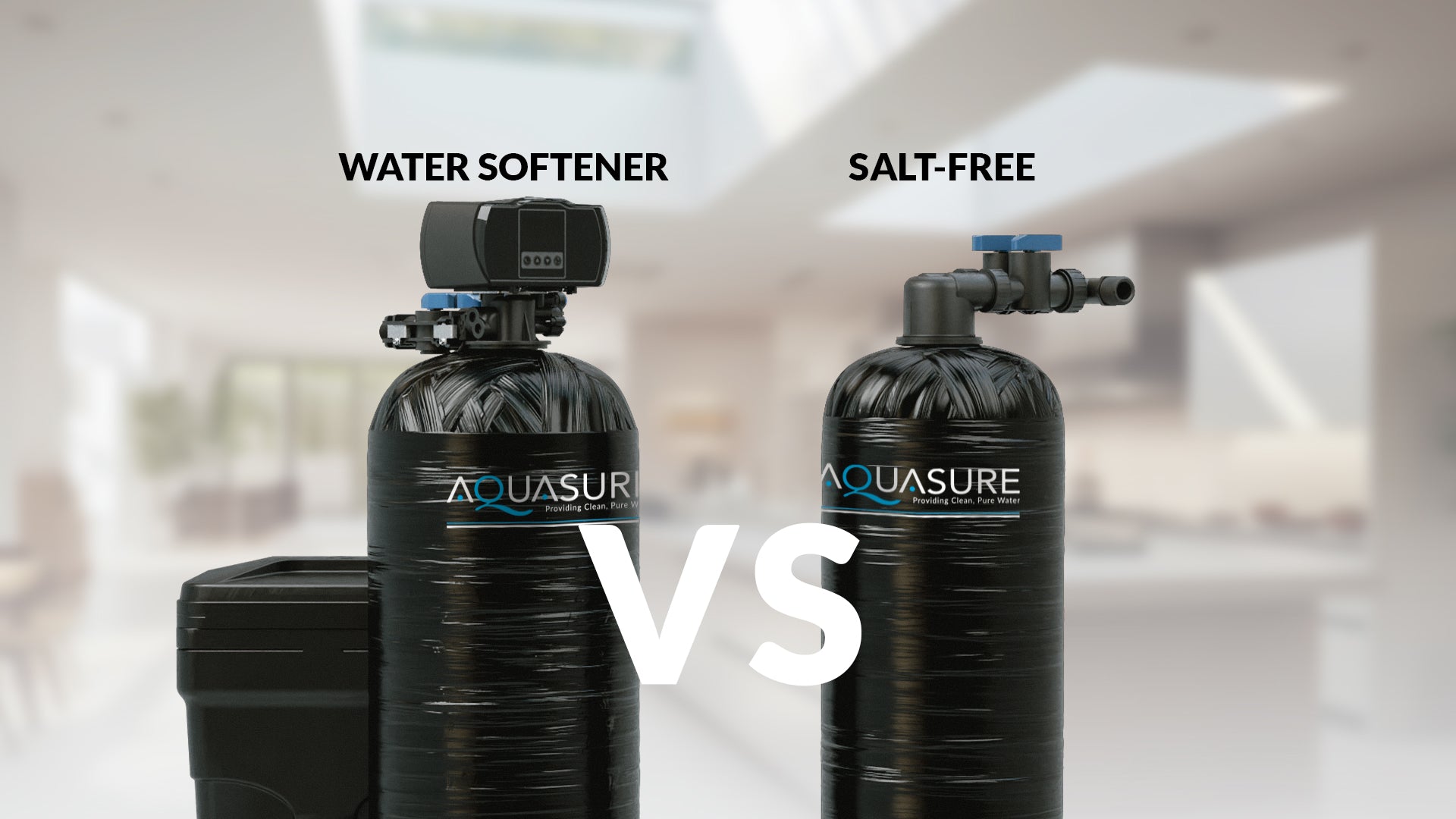
You’re standing in the home goods aisle, staring at two very different boxes: one promises “salt-free conditioning,” the other “softening.” It feels like choosing between a green smoothie and a diet soda—both claim to be better for you, but you’re not sure what’s actually in the glass. Welcome to the great water debate, where the stakes are shiny hair, spotless dishes, and plumbing that doesn’t scream for mercy.
Here’s the gritty truth: hard water is packed with calcium and magnesium ions. Think of it as mineral-rich water that leaves a chalky film on your shower doors and turns your soap into sad, scummy sludge. A water softener attacks this problem with a classic chemical swap—using sodium or potassium ions to flush out those hard minerals via a process called ion exchange.
In contrast, a salt-free water conditioner doesn’t actually remove the minerals at all. Instead, it uses a process called template-assisted crystallization (TAC) to transform the calcium and magnesium into harmless, non-scaling crystals. It’s like convincing a rock to stop being annoying—without kicking it out of the house.
Must Read
The Softener: A Cozy Classic with a Salt Shaker
Water softeners have been the industry workhorse since the 1950s, right around when your grandparents were installing avocado-green appliances. They deliver that “silky” feel on your skin and make your laundry smell like a meadow after rain. The trade-off? You’re adding sodium to your water, which can be a concern for anyone watching their blood pressure—or for houseplants that prefer a low-salt diet.
Softeners also require regular refills of salt pellets, which feels a bit like owning a car that runs on rock candy. They need backwashing cycles that dump salty brine into the drain, raising eyebrows from eco-conscious neighbors and local water authorities. Fun fact: A typical softener uses about 50 gallons of water per regeneration cycle—enough to fill a standard bathtub.
If you love the idea of zero scaling on your coffee maker and hair that doesn’t feel like straw, a softener is your BFF. But be prepared for the ongoing chore of hauling 40-pound bags of salt, and the subtle irony of adding chemicals to “purify” your water.
Conditioner: The Minimalist’s Zen Approach
Salt-free conditioners are the cool, low-maintenance cousin at the family reunion. They don’t need electricity, salt, or frequent maintenance—just installation and a quiet life. They work by crystallizing the minerals so they can’t stick to your pipes or fixtures, effectively neutralizing scale without stripping the water of its natural mineral content.
This makes conditioned water a hero for your plumbing, preventing that crusty buildup that turns your showerhead into a calcified stalactite. Yet here’s the catch: it doesn’t make your water feel “soft” in the traditional sense. You’ll still get soap scum, and your skin won’t have that slippery-smooth sensation a softener provides. Think of it as invisible protection rather than a sensory upgrade.
Pop culture nod: Remember the movie “My Big Fat Greek Wedding” with the Windex obsession? A salt-free conditioner is the Windex of water treatment—it fixes the problem you can’t see, but doesn’t change the experience. If you’re a renter, a minimalist, or just hate buying salt, this is your vibe.
Practical Tips for Your Decision
Test your water hardness first. Grab a simple strip test from a hardware store—it’s cheaper than a latte and will tell you if your water is over 10 grains per gallon. At that level, a softener might be necessary to prevent serious scale damage to your water heater and dishwasher.
 Benefits of Soft Water? Water Softener vs. Salt Free Water Conditioner
If you have a reverse osmosis system for drinking water, know that a softener can protect it from mineral fouling, while a conditioner won’t. For pet owners: the salt in softened water can elevate sodium levels in your dog’s or cat’s water bowl—so plan to install a bypass line or use a conditioner instead.
Think about your lifestyle. Are you a low-maintenance person who forgets to water the plants? Go conditioner. Do you obsess over squeaky-clean glassware and silky hair? A softener is your reward. And if you live in a region like Texas or the Southwest, where hard water is practically a birthright, both options are better than doing nothing.
Fun Facts to Impress Your Plumber
Did you know that ancient Romans used a primitive form of water softening by pouring water through charcoal and wool? They were basically running the first spa treatments on their aqueducts. Meanwhile, modern conditioners borrow technology from the semiconductor industry—where controlling crystal formation is serious science.
Here’s a party trick: Salt-free conditioners can last 10–15 years without any maintenance, while softeners might need a resin bed replacement every 10 years. That’s like comparing a cockroach to a butterfly—one just keeps going, the other needs a life cycle update.
If you’re worried about cost, expect a salt-free conditioner to run about $800–$1,200 installed, while a softener can be $1,500–$3,000. But remember: softeners have annual salt costs of around $150–$300. Over a decade, they might cost the same—or the conditioner saves you money if you enjoy buying plants instead of salt.
A Final Reflection
Water is the quiet constant in our lives—we shower in it, cook with it, and drink it without a second thought. Choosing between a salt-free conditioner and a softener is really about deciding how much control you want over that invisible element. Do you want to change the water’s chemistry or just its behavior?
Perhaps the most honest advice comes from a plumber I once met in Brooklyn: “Hard water is just regular water with a personality. You can either tame it or dance with it.” So dance, with a conditioner’s gentle touch, or tame it with a softener’s firm hand. Either way, your morning coffee will taste the same—and that’s the point of any good home decision: making life a little smoother, one drop at a time.
