Granular Activated Carbon For Water Treatment

Hey there, water wizard! Have you ever wondered what magic lurks inside your fancy faucet filter or that giant tank at the water treatment plant? Spoiler alert: it’s not a tin...
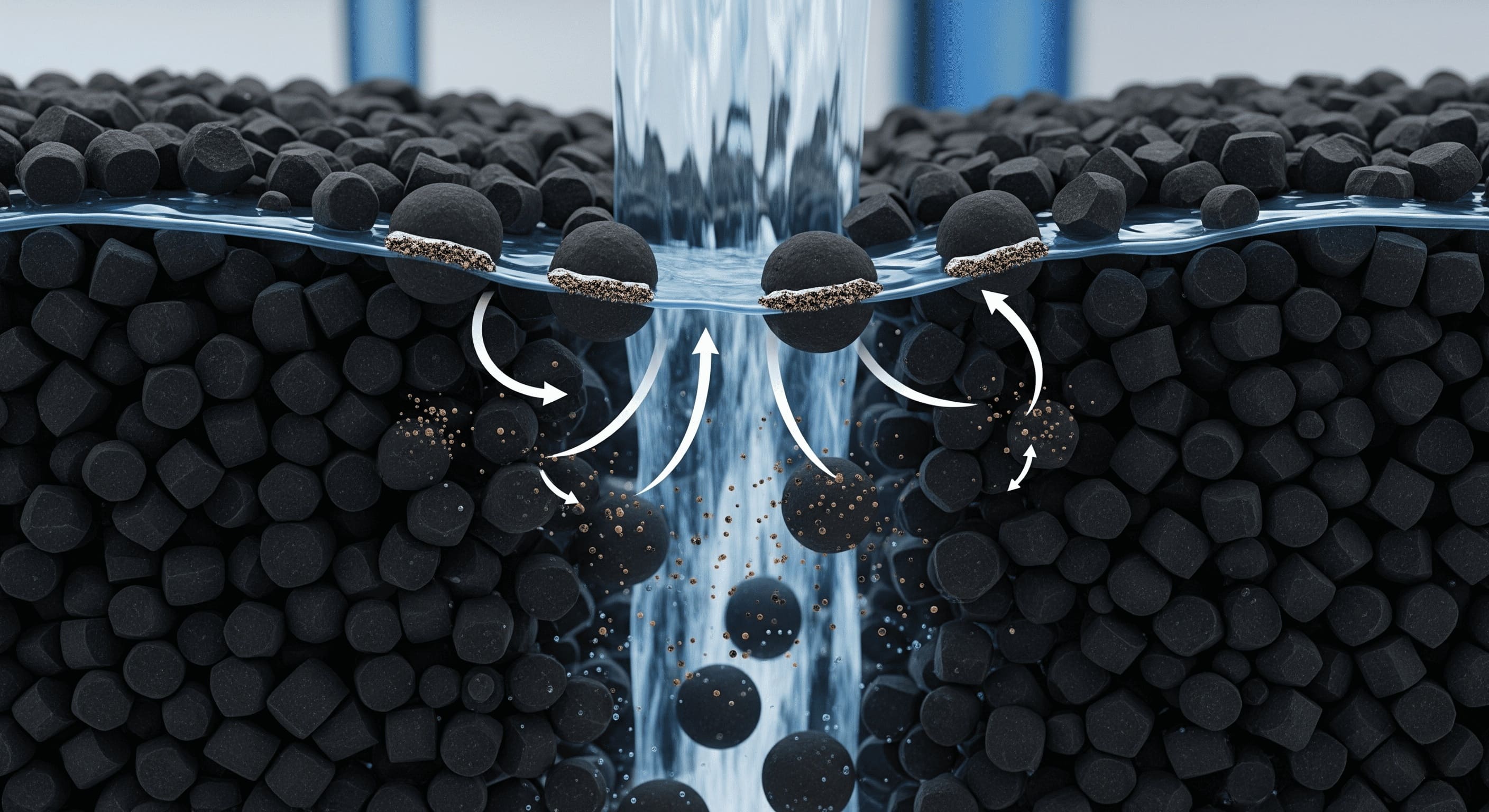
Hey there, water wizard! Have you ever wondered what magic lurks inside your fancy faucet filter or that giant tank at the water treatment plant? Spoiler alert: it’s not a tiny dolphin doing backflips, but it’s almost as cool. Let’s chat about Granular Activated Carbon, or GAC for short—the unsung hero of clean water.
What Is This Black, Crunchy Stuff?
Imagine taking a coconut shell, burning it in a super-hot oven with no air, then crushing it into tiny, porous bits. That’s basically GAC—a charcoal on steroids. These granules are like tiny, ultra-hungry sponges that suck up all the nasty stuff in your water.
And yes, it looks like something you’d find in a barbecue bag, but please don’t sprinkle it on your burger. Trust me on this one—your taste buds will thank you later.
Must Read
How Does It Actually Work?
It’s called adsorption (not to be confused with absorption, which is what your towel does after a shower). Here, contaminants stick to the surface of the carbon like glitter to a glue trap—except way more helpful. The pores in GAC trap chlorine, pesticides, and even funky smells and tastes.
Think of it as a fancy hotel for bad-tasting molecules. They check in, but they never check out. Sorry, not sorry, chlorine!
Why Bother With GAC?
First off, your tap water might taste like a swimming pool’s disappointed cousin. GAC removes that bleachy yuck and leaves you with crisp, refreshing H₂O. Plus, it gobbles up volatile organic compounds (VOCs)—the science-y name for stuff that makes your water smell like a chemistry lab.
And here’s the kicker: it’s also great at removing lead and mercury in some setups. So if you’re worried about heavy metals, GAC is like a bouncer at a nightclub—keeping the troublemakers out.
The Two Flavors: Powder vs. Granules
You’ve got powdered activated carbon (PAC), which is like sugar, and granular activated carbon (GAC), which is like coarse sand. PAC is used in big treatment plants and disappears after use, while GAC hangs out in filters you can refill. For home use, GAC is the chill, reusable friend who doesn’t make a mess—mostly.
Just remember: GAC isn’t a ninja that works forever. It gets full, like your stomach after Thanksgiving dinner, and needs replacement every few months. Ignore that, and you’re just letting water trickle over dirty gravel. Yawn.
A Little Love for the Planet
Here’s a fun fact: much of the world’s GAC comes from coconut shells, walnut shells, or even wood scraps. So you’re basically recycling leftover smoothie ingredients into clean water. How’s that for a sustainability flex?
It’s also way better than dumping chemicals into your water supply. GAC is a gentle giant—no sludge, no weird byproducts, just pure, simple filtration. Mother Nature gives a thumbs up, probably while wearing sunglasses.
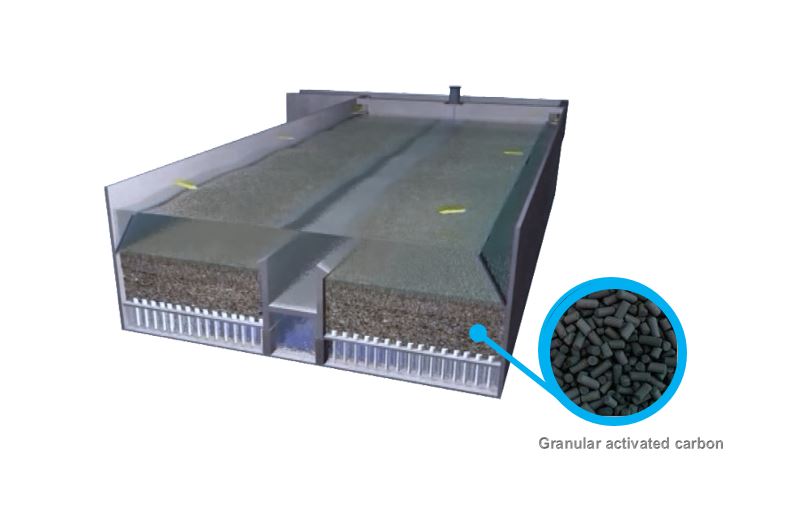 granular activated carbon contactor and filter - Carbazur® - Degremont®
Real-Life Heroes: Where You’ll Find GAC
Those fancy Brita and PUR pitchers? Yep, GAC is the secret sauce. Fish tanks use it to keep your goldfish from swimming in a toxic soup. Even some industrial giants use GAC to clean up wastewater from factories—think of it as a detox spa for polluted rivers.
And in developing countries, portable GAC filters are saving lives by turning muddy, bacteria-laden water into something you’d actually drink. That’s not just cool—that’s heroic carbon.
A Few Gotchas (Because Nothing’s Perfect)
GAC can’t remove everything. It’s bad at catching dissolved salts (like in hard water) or fluoride, so don’t expect it to turn ocean water into lemonade. Also, if you have a bacterial outbreak in your well, GAC might become a cozy home for germs—yikes! That’s why some systems pair it with UV light or reverse osmosis.
But hey, even Batman has his limits. GAC is still a solid sidekick for most household water woes.
DIY or Pro? You Decide
You can buy GAC in bulk and build your own filter system if you’re feeling crafty. Or just grab a store-bought pitcher and call it a day. Either way, you’re doing your faucet a favor. Pro tip: rinse new GAC with water before using it, or your first glass might look like charcoal tea. Don’t say I didn’t warn you.
And for the love of all things hydrating, read the instructions on your filter. Some GAC releases fine black dust initially—it’s harmless, but it looks like you’re making coffee in a dirty mug.
The Uplifting Conclusion (You’ve Been Waiting For!)
So here’s the deal: Granular Activated Carbon is like that quiet, reliable friend who always shows up to help you move—except instead of furniture, it’s moving out the bad vibes from your drinking water. It’s affordable, it’s natural, and it’s genuinely kind to the planet.
Next time you take a sip of fresh, clean water, give a little nod to the tiny black granules working behind the scenes. They’re out there, doing their job, 24/7, without any drama, fanfare, or demands for a vacation. Cheers to GAC—the underdog that keeps your glass half full, delicious, and safe. Now go hydrate with a happy heart!
