Powdered Activated Carbon For Water Treatment

You know that moment when you take a sip of tap water and it tastes like the inside of an old garden hose? Or worse, like a swimming pool that’s seen better days? That’s where...

You know that moment when you take a sip of tap water and it tastes like the inside of an old garden hose? Or worse, like a swimming pool that’s seen better days? That’s where powdered activated carbon, or PAC, quietly saves the day—like a tiny, gritty superhero that doesn’t wear a cape but has an incredible surface area.
Think of PAC as the sponge to end all sponges. A single teaspoon of this stuff has more surface area than a football field. It’s like every grain of carbon is a tiny, hungry mouth that just wants to gobble up bad tastes, weird smells, and yucky chemicals.
I once tried to remove a funky smell from my office water cooler by dumping in some activated charcoal from a pet store. My coworkers thought I’d lost it. But the next day, the water was crisp and clean—like a mountain stream that had never met a plastic bottle.
Must Read
Why It’s Basically a Kitchen Hero
PAC isn’t just for massive water treatment plants—it’s the same magic you might use in a home water filter pitcher. That black cartridge in your Brita? Yep, that’s PAC working overtime so your morning coffee doesn’t taste like yesterday’s regret.
It works by adsorption, not absorption—a fancy way of saying the bad stuff sticks to the carbon like a bad date to a velvet couch. Water flows through, and the carbon grabs chlorine, pesticides, and even microplastics like they’re the last slice of pizza at a party.
I once accidentally dropped a teabag into a glass of stagnant pond water during a camping trip. A pinch of charcoal powder from my first-aid kit turned it into drinkable (though slightly gray) water. My friends called it “grimace-ade,” but I called it genius.
The Real, Gritty Science (But Make It Fun)
Imagine a million tiny caves, each covered in sticky flypaper. That’s PAC. Contaminants like volatile organic compounds (the stuff that makes new plastic smell weird) get trapped in these caves and never come out.
Water treatment plants dump PAC in a big tank, stir it like a witch’s cauldron, then let it settle out. It’s the same concept as using a charcoal mask on your face—only instead of sucking out blackheads, it’s sucking out the nasty stuff that makes your tap water smell like a Band-Aid.
One time I watched a treatment plant worker demo this with a jar of muddy river water. He added a pinch of PAC, shook it, and within minutes the water was clear enough to see through. I half-expected him to start chugging it like a sports drink.
Where We Meet PAC in Daily Life (Without Knowing It)
Ever buy a bag of organic coconut charcoal for your teeth whitening? That’s PAC wearing a fancy disguise. Same stuff, just ground finer so you don’t choke while brushing.
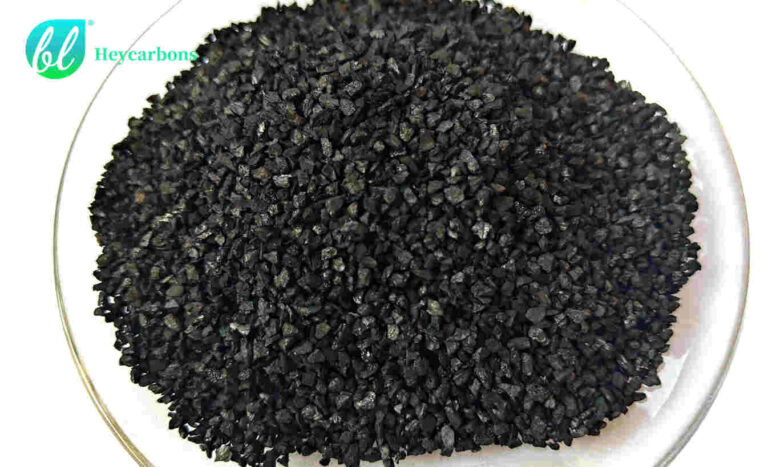 Activated Carbon For Water Treatment Application - Heycarbons
Aquarium owners use it to keep fish tanks from smelling like a swamp. My buddy Ron once poured too much fish food, and his tank looked like a pea soup fog. A handful of PAC cleared it up in hours. He called it “the magic dust,” and his goldfish agreed.
Even your favorite bottled water brand might use PAC. Before they slap that “mountain fresh” label on it, the water gets a good scrubbing with carbon. It’s like sending the water to a spa, but with more science and less cucumber slices.
The Unforeseen Comedy of Errors
PAC is amazing, but it isn’t perfect. Miss the dose, and your water looks like weak coffee. I once added too much to a five-gallon jug, and it turned the water blacker than my soul on a Monday morning. It tasted fine, but my neighbor asked if I was brewing swamp tea.
It also doesn’t remove everything—like salt, bacteria, or heavy metals. So if you’re trying to filter seawater with PAC, you’ll end up with slightly cleaner but still salty disappointment. Think of it as a bouncer at a club who only kicks out the smelly guys, not the drunk ones.
I tried to use PAC to fix a batch of homemade kombucha that smelled like nail polish remover. It worked… but the carbon turned my pink drink into a muddy mess. My wife said it looked like “sadness in a jar.” She wasn’t wrong.
The Bottom Line (Or, Why You Should Salute This Powder)
PAC is the unsung workhorse of your water supply. Without it, your tap water might taste like a soggy sock soaked in bleach. With it, you get that clean, neutral sip that lets you enjoy your lemonade without side-eyeing the glass.
Next time you fill a glass from the tap, give a little nod to the powdered carbon that labored invisibly. It’s like the quiet friend who always takes out the trash without being asked—underrated, but absolutely essential.
And if you ever find yourself with a jar of murky pond water and a pinch of black dust, remember: you’re not being weird. You’re just channeling your inner water plant operator. And that, my friend, is the most easy-going kind of home science there is.
