Water Treatment Systems For Coliform Bacteria

You know that feeling when you take a sip of water from the tap, and it’s just… perfect? Cold, clear, and totally refreshing. Now imagine that same glass, but lurking inside i...
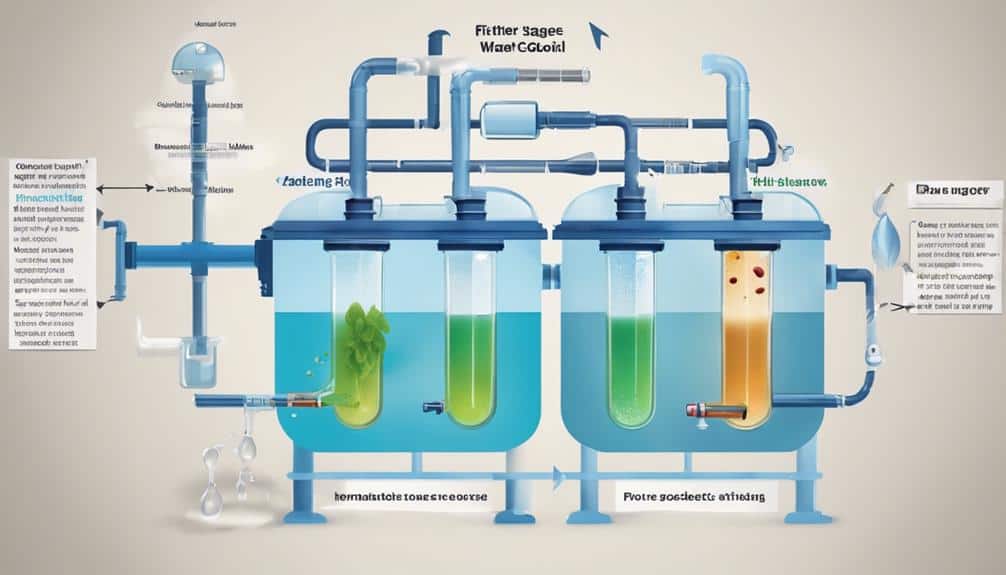
You know that feeling when you take a sip of water from the tap, and it’s just… perfect? Cold, clear, and totally refreshing. Now imagine that same glass, but lurking inside it are tiny invisible hitchhikers. They’re called coliform bacteria, and they’re not the kind of guests you want showing up uninvited. Let’s keep this cozy and real, like chatting over a cup of tea.
First off, coliform bacteria are a group of microbes that live in the guts of warm-blooded animals, including us. When they show up in your drinking water, it’s like a red flag waving from your kitchen faucet. Think of them as nature’s little post-it note that says, “Hey, something might be wrong here.” They don’t always make you sick, but their presence means other nasties could be taking a ride along with them.
Here’s a story: My buddy Tom has a well at his cabin in the woods. Last summer, after a big rain, his water started tasting a bit “earthy.” He ignored it, until his kids got stomachaches. Yep, coliform had snuck in through a crack in his well casing. That’s when he learned that coliform bacteria can enter your water through soil, animal waste, or even a broken pipe. It’s not dramatic like a Hollywood monster—it’s quieter, like a bad houseguest who eats your snacks and leaves the door open.
Must Read
Why Should You Care?
Because water is the one thing you can’t fake. You brush your teeth with it, you make your coffee with it, you give it to your pets. If coliform bacteria are in there, it’s like having a tiny party of germs in your morning routine. For healthy adults, it might just be a grumbly stomach. But for kids, older folks, or anyone with a weak immune system, it can turn into real trouble—think diarrhea, cramps, or worse.
Here’s the thing: You don’t need to be a scientist to notice. Maybe your water smells a little like rotten eggs, or it leaves a funny film in your glass. Sometimes there are no signs at all, which is sneaky. That’s why testing your well water once a year is like taking your car for an oil change—it’s just smart maintenance. Public water systems are treated, but if you’re on a private well, you’re the superhero in charge of your own supply.
Meet Your Water Treatment Sidekicks
So, what do you do if coliform shows up? Enter the water treatment systems, your personal cleanup crew. The most common is ultraviolet (UV) light, which zaps the bacteria dead. Imagine a tanning bed for water—except it makes germs disappear, not you.
Another star player is chlorine injection. Yes, it sounds like a chemistry experiment, but it’s how many city systems stay clean. A little dose of chlorine enters your water, kills the bad guys, and then gets filtered out. It’s like a bouncer at a club who kicks out the rowdy bacteria before they can crash your shower.
For warmer, cozier homes, some folks go with reverse osmosis—a super-fine filter that catches bacteria, viruses, and even weird tastes. It’s like a microscopic colander for your water. You install it under your sink, and it silently works while you sleep. It’s the quiet hero in the bathroom cabinet.
Don’t forget whole-house filters. These are like a giant sponge that sits at the main water line, catching coliform before it reaches your faucets. Perfect if you want every sink, shower, and hose to be safe. Your fridge’s ice cubes will thank you.
How to Choose the Right System
First, test your water. This isn’t complicated. You can buy a simple kit at a hardware store or call your county health department. They’ll tell you exactly what’s in your water and how bad the coliform is. Don’t guess—that’s like trying to fix a car engine with a spoon.
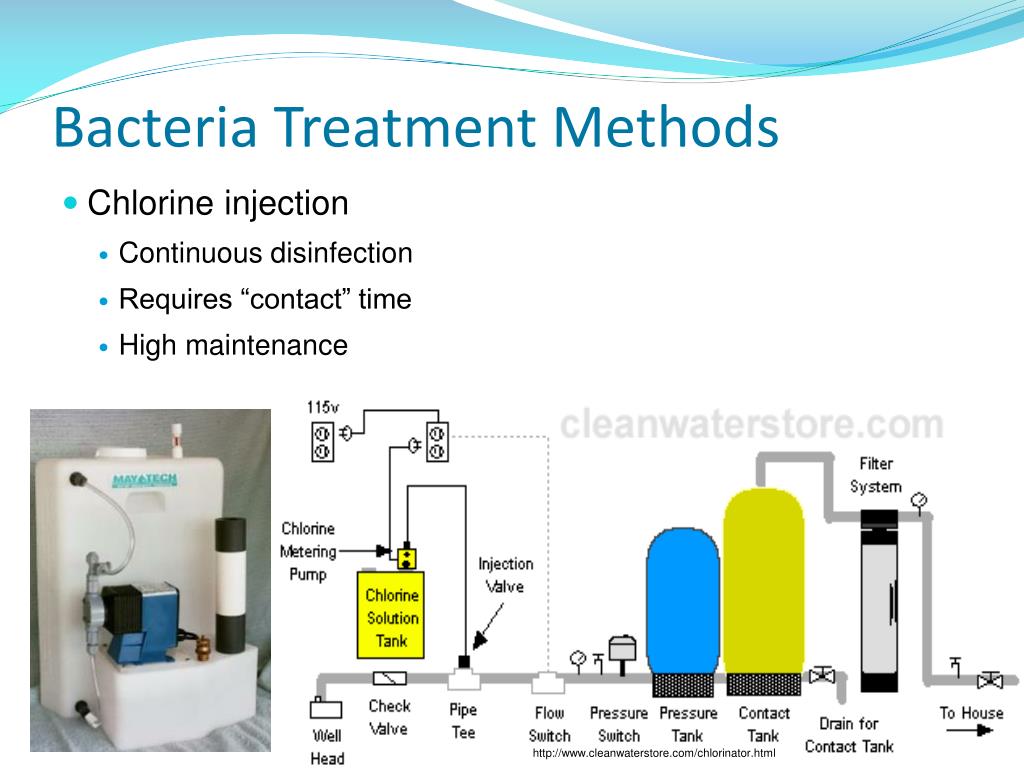 PPT - Water Treatment Basics PowerPoint Presentation, free download
Next, think about your budget. UV systems start around a few hundred dollars, while whole-house setups can cost more but protect everything. Think of it as an investment in peace of mind. That’s cheaper than a week of stomachaches.
Also, consider your water’s other quirks. If it’s high in sediment or iron, you might need a pre-filter first. Otherwise, coliform can hide behind dirt particles. It’s like cleaning a messy room—you have to pick up the socks before you vacuum the floor.
A Real-Life Comparison
Imagine your water supply is like your front door. Coliform is the occasional rainstorm that soaks your welcome mat. A treatment system is a sturdy porch roof and a good shoe rack. It keeps things dry and tidy. My neighbor Sarah installed a simple UV system after her well failed a test. Now she tells everyone, “It’s the best money I ever spent—and I sleep better knowing my kids’ water is safe.”
Another story: My aunt Gina lives on a farm with horses. Her well water used to smell “farmy,” as she put it. A chlorine injection system made it smell like nothing—just clean, boring, perfect water. She says, “I can finally make iced tea without holding my nose.” That’s the win we all want.
Keep It Simple and Happy
You don’t need to become a water expert. Just remember: coliform bacteria are a sign to act, not a reason to panic. With a little testing and the right treatment system, you can turn your tap into a source of safe, delicious water that you and your family trust. It’s like giving your home a hug from the inside.
So next time you fill that glass, give a tiny cheer for the UV bulb, the filter cartridge, or the chlorine drop that’s working behind the scenes. They’re the unsung heroes in your plumbing. And if you haven’t tested your water yet? Maybe grab a kit this weekend. Your stomach will thank you, and so will the folks who drink your lemonade.
Stay hydrated, stay happy, and let your water be boring—in the best possible way.
