How Many People Die From Dehydration Each Year

You know that moment when you’re halfway through a sunny afternoon walk, and your mouth feels like the bottom of a birdcage? That’s your body sending you a little postcard tha...
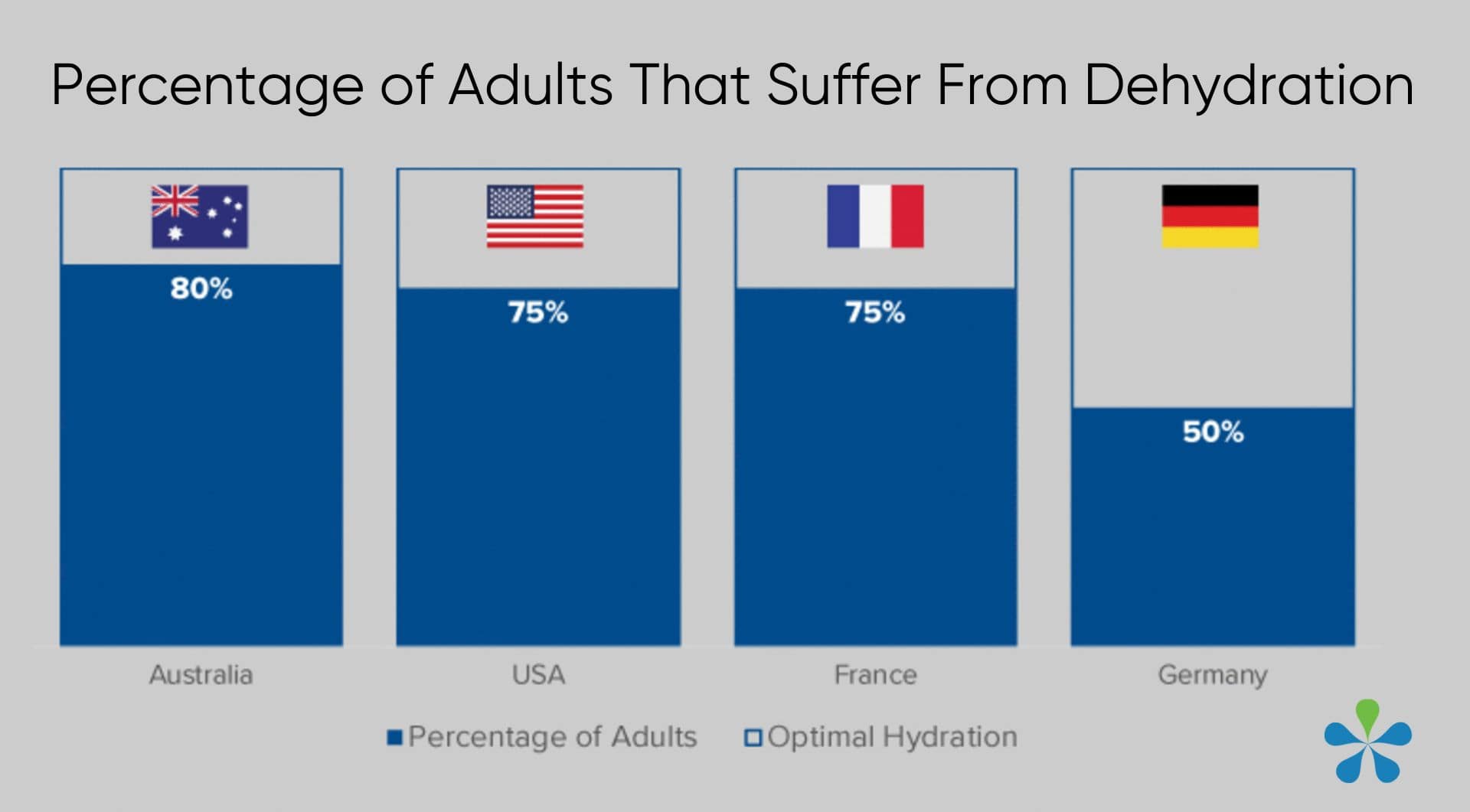
You know that moment when you’re halfway through a sunny afternoon walk, and your mouth feels like the bottom of a birdcage? That’s your body sending you a little postcard that says, “Hey, maybe grab some water soon.” It’s a minor inconvenience for most of us, but for others, dehydration isn’t just a dry throat—it can become a life-or-death situation.
So, how many people actually die from dehydration each year? Globally, the numbers are pretty big and a little sobering. The World Health Organization estimates that millions of deaths are linked to dehydration, mostly through diseases like diarrhea, cholera, and severe heat exposure. We’re talking roughly 2.5 to 3 million people annually, though the exact count is tricky because dehydration is often the accomplice, not the headline villain.
Hearing a number like that can feel abstract, like reading the population of a distant city. But let’s bring it home with a story you might recognize: picture your friend Sarah, the one who forgets to drink water during a busy workday. She ends up with a splitting headache by 3 PM, which is dehydration’s way of knocking on her door.
Must Read
Now imagine that headache happens to a grandparent living alone in a heatwave, or to a toddler with a bad stomach bug. For them, dehydration can slip from “I feel crumby” to “I need a hospital” in just a few hours. That’s why most of the deaths happen among the very young, the elderly, and people in hot, resource-limited regions where clean water is scarce.
Dehydration Doesn’t Care If You’re Busy
Let’s be real: life gets in the way. You’re running errands, you’re at a backyard barbecue, you’re binge-watching your favorite show—water intake drops to zero. Your body is basically a houseplant with feelings, and when you forget to “water” yourself, the leaves (that’s your skin and brain) start to wilt.
Here’s a fun comparison: your body is about 60% water. That’s like carrying around a half-full bathtub in your skeleton. Losing just 1-2% of that water can make you feel foggy-headed and cranky. Lose 10%, and your organs start sending out emergency flares. Death from dehydration usually happens when water loss hits 20% or more, which is why severe cases can escalate so quickly.
The Sneaky Ways Dehydration Gets You
You might think, “I drink when I’m thirsty, so I’m fine!” But thirst is actually a late signal. By the time your throat feels like sandpaper, you’re already a little behind. Ever been on a long hike and ignored that first hint of dryness, only to end up dizzy and nauseous two miles later? That’s dehydration saying, “Told you so.”
Heatwaves are a major culprit. During the 2023 summer in parts of Europe and the U.S., emergency rooms saw spikes in dehydration-related cases. Older adults are especially vulnerable because their thirst sensors get weaker with age—they simply don’t feel the need to drink. So, a 75-year-old sitting in a non-air-conditioned apartment can slip into danger without even realizing it.
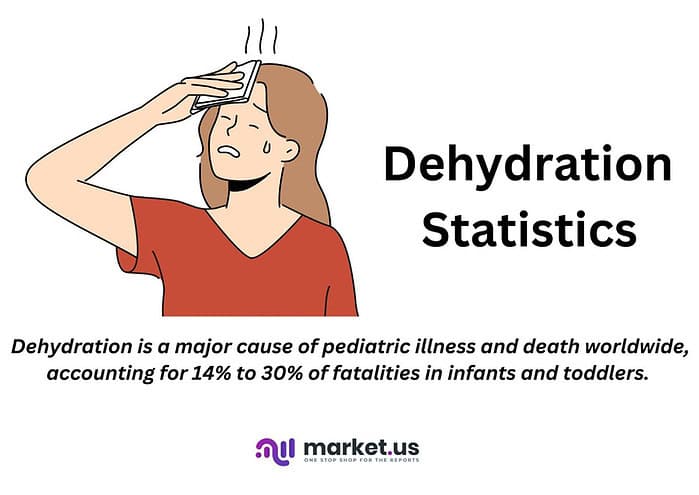 Dehydration Statistics and Facts (2026)
Travel is another sneaky zone. You’re on a plane (which has super dry cabin air), you have a couple of glasses of wine, and you skip water because you don’t want to bother the flight attendant. Next thing you know, you land with a headache, dry skin, and the feeling of a raisin inside a suit. That’s a mild version, but for someone with an underlying condition, it can spiral.
Why You Should Care (Without Panicking)
Look, you’re probably not going to keel over from dehydration during your morning coffee run. That’s not the point. The point is that dehydration is almost entirely preventable, and understanding its risks makes you a hero for yourself and the people you love. Think of it as a superpower: knowing when to hand your sweaty kid a water bottle, or reminding your mom to sip something during a heatwave.
For the everyday person, death from dehydration is rare—but it’s a real risk in specific scenarios. Car accidents, being stranded without water during a disaster, or severe illness can all make it a sudden threat. That’s why emergency kits always include water, and why hikers carry purification tablets.
The Golden Rule? Keep It Simple
You don’t need to obsess over an eight-glass rule or buy a fancy hydro-flask that tracks your sips. Just listen to your body, and if you’re active or it’s hot, drink a little more than you think you need. Watermelon, cucumbers, and soup count too—your body is a flexible creature.
And here’s a gentle reality: the people who die from dehydration each year are often the ones without access to clean water, or those whose bodies can’t keep up. That’s a global injustice we can all care about. Supporting clean water charities, or even just being mindful of your own hydration, is a small way to tip the scales.
So the next time you feel that dry-mouth feeling, don’t shrug it off. Smile, grab a glass of water, and maybe offer one to a friend or an older neighbor. It’s a tiny act that costs nothing, but it might just be the thing that keeps someone away from a scary statistic. Stay hydrated, stay happy, and remember: you’re basically a fancy bag of water with a heartbeat. Treat it well.
