Difference Between Purified And Drinking Water

You’re standing in the bottled water aisle, staring at two plastic bottles that look identical. One screams “Purified,” the other whispers “Drinking,” and you feel like you’re...
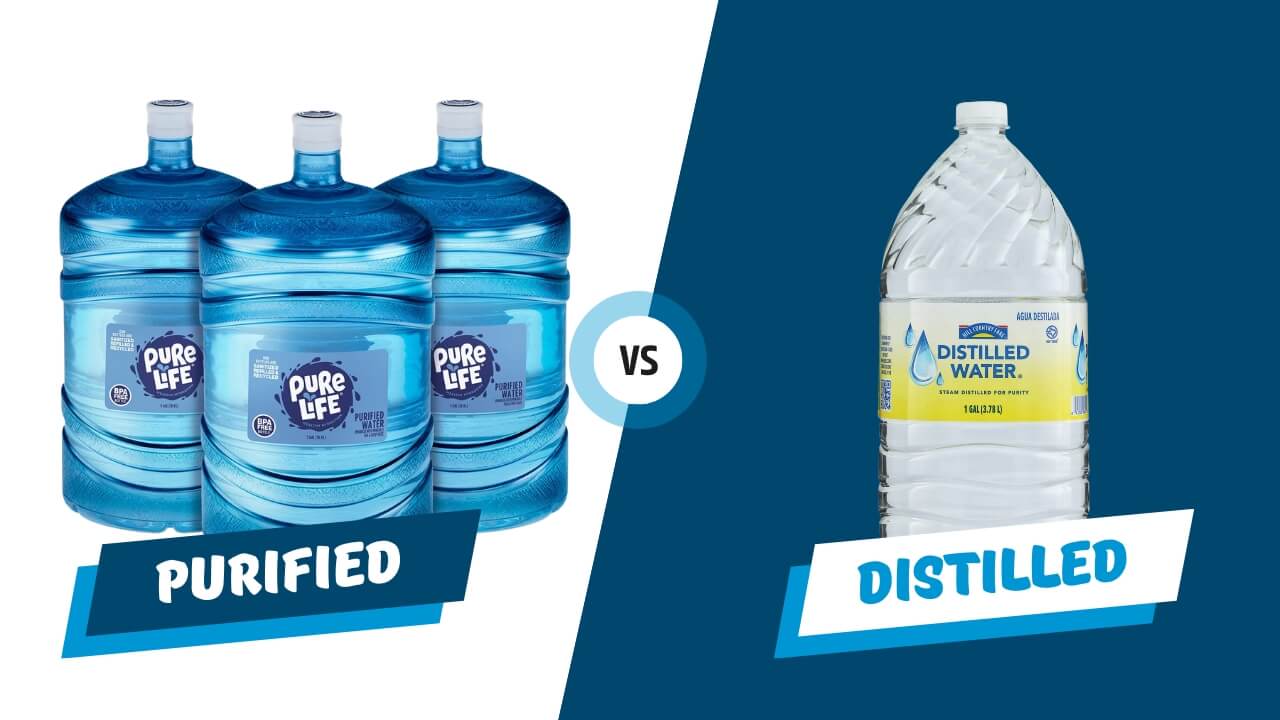
You’re standing in the bottled water aisle, staring at two plastic bottles that look identical. One screams “Purified,” the other whispers “Drinking,” and you feel like you’re being pranked by the beverage industry. Don’t worry—I’ve got your back. Let’s crack open the truth, and yes, the pun is very much intended.
Wait, Isn’t All Water “Drinking Water”?
Technically, yes—if you can drink it without immediately coughing up a lung, it’s drinking water. But the label “Drinking Water” on a bottle basically means: “We turned on the tap, maybe gave it a quick side-eye, and then poured it in here.” It’s often just municipal tap water that’s been minimally treated. Think of it as the pair of jeans you wear to the grocery store—functional, but nobody’s taking photos.
Here’s a shocker: most “drinking water” is just tap water from a city supply. The FDA allows bottlers to call it “drinking water” even if it’s literally from the same pipe that fills your toilet tank. (Okay, not the same pipe, but you get the terrifying point.) Surprising fact: some bottled “drinking water” has less strict quality standards than what comes out of your kitchen faucet in many U.S. cities.
Must Read
Purified Water: The Overachiever of the Water Family
Purified water is the kid who studied for the spelling bee, won, and then went home to alphabetize their sock drawer. It starts as any water—tap, ground, or even rainwater—and then gets brutally filtered until it’s basically H₂O with a superiority complex. Methods include reverse osmosis (pushing water through a membrane so tight it would reject a virus), distillation (boiling the life out of it), or deionization (zapping out minerals like a tiny lightning storm).
The legal standard is strict: purified water must have less than 10 parts per million of dissolved solids. That’s about as pure as water can get without you having to apologize for it being too “extra.” Some bottles even get spring water, then strip it down to nothing, making you pay for the honor of drinking something that tastes like a blank piece of paper.
The Great Taste Test (Spoiler: Your Tongue Is a Liar)
If you blindfolded someone and made them sip both, they’d probably shrug. But purified water often tastes flat because all those minerals (calcium, magnesium, etc.) have been kicked out. Drinking water might have a slight “mineral” flavor—like a rock licked a glass. You are basically paying for texture here, not flavor.
Fun science fact: your brain can’t tell the difference in a blind sip test unless the water is extremely different. Yet we spend billions on the stuff. Marketing is a heck of a drug.
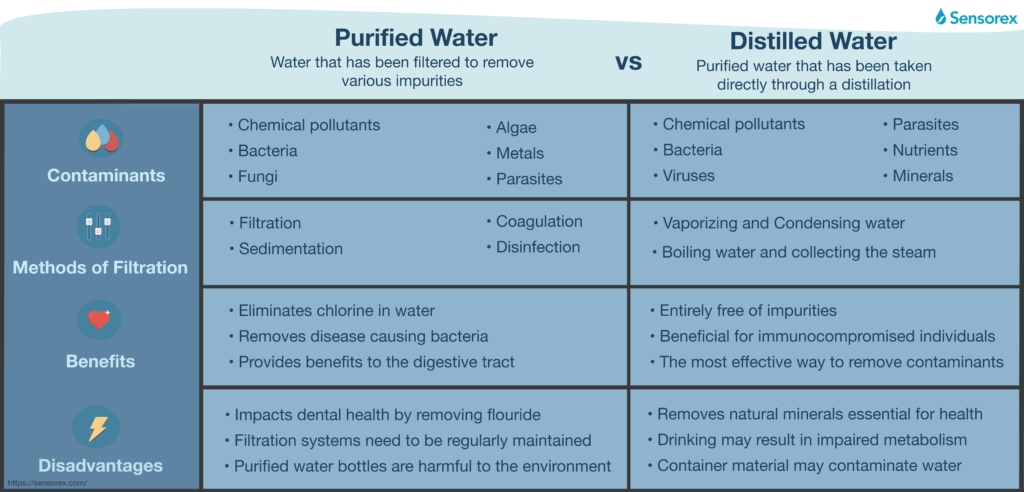 Distilled Water Vs Purified Water: What’S The Difference? – FFVB
So Which One Should You Buy? (A Life-or-Death Question, Sort Of)
If you’re trying to impress your houseplants? Buy purified. They don’t care about your budget. If you’re just trying to survive a Tuesday afternoon, drinking water is perfectly fine. Your kidneys will process both the same way, which is to say: “Thank you, now I have to pee.”
Here’s a move that will blow your mind: fill a reusable bottle from your tap. In most U.S. cities, tap water is tested more frequently than bottled water. You save money, the planet, and don’t have to stand in that aisle having an existential crisis. But if you live somewhere with questionable pipes (lookin’ at you, Flint), purified water is the safer bet.
But Wait—What About the “Spring Water” Deception?
Spring water is a whole different circus. It must come from a natural underground source and is only lightly filtered. That’s drinking water’s fancy cousin who vacations in the Alps. But remember: “spring” can be from a man-made hole that taps into an aquifer. It’s not necessarily a babbling brook with unicorns.
The Bottom Line (And I Mean the Very Bottom)
Drinking water is a basic friend. Purified water is that friend who overpacks for a weekend trip. Both will keep you hydrated and alive. The true difference? About a dollar per bottle and a whole lot of marketing fluff. So next time you’re in that aisle, just laugh, grab the cheapest one, and remember: your body doesn’t care about the label. It just wants water. Now go drink some—you look dehydrated.
