Average Cost Of Drilling A Water Well In Texas

So, you’re dreaming of endless water in the Lone Star State. Maybe you want to wave goodbye to city water bills, or finally fill that pool without a second thought. Let’s talk...
So, you’re dreaming of endless water in the Lone Star State. Maybe you want to wave goodbye to city water bills, or finally fill that pool without a second thought. Let’s talk about the average cost of drilling a water well in Texas—and trust me, it’s more fun than it sounds.
What’s the Damage?
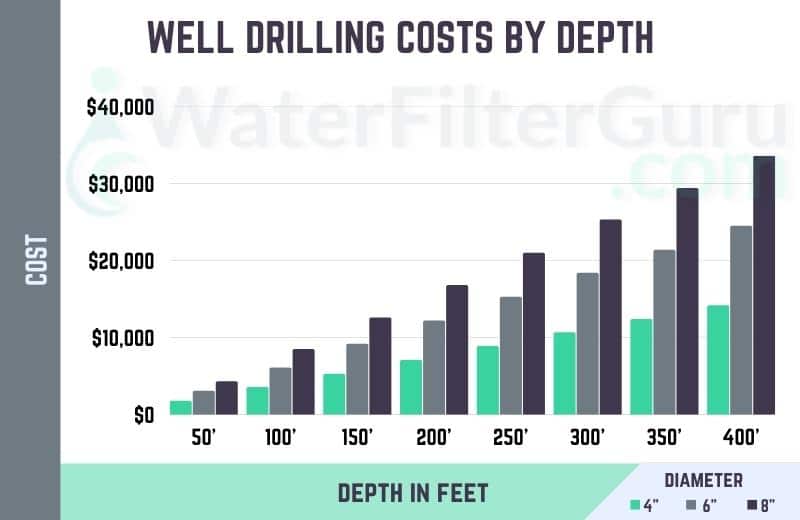
First, the numbers: most residential wells in Texas cost between $5,000 and $15,000. A typical 200-foot well with a pump and casing might land around $8,000 to $12,000. Yes, it’s an investment—but think of it as buying freedom.
Drilling costs average $30 to $60 per foot, but your total depends on depth, soil, and location. West Texas might run deeper (and pricier) than the Hill Country. Always get three quotes, because one driller’s “standard” is another’s “custom job.”
Must Read
Why Water Is Worth Every Penny
Imagine never worrying about a drought restriction again. Your garden stays green, your lawn laughs at summer, and you can wash your truck five times a day (not that I’m encouraging that). A well turns your property into a self-sufficient oasis.
Plus, that upfront cost pays you back over time. No more monthly water bills—just free, delicious water from your own land. Talk about a return on investment! You’ll be the hero of every backyard barbecue.
But Wait—What About the “Little” Things?
You’ll need a permit from your county (usually under $200). A water test runs about $100, and you might want a storage tank (add $500 to $2,000). Don’t forget the pump and pressure tank—your driller will quote you for that, but expect $1,000 to $3,000 extra.
Here’s the secret: most of these add-ons are optional at first. You can start with a simple system and upgrade later. Rome wasn’t watered in a day.
Make It a Texas-Sized Adventure
Drilling a well is like a treasure hunt. You never know exactly what you’ll find—one neighbor hit water at 80 feet, another went 400 feet. The driller’s rig is a giant mechanical beast, and watching it punch through rock is genuinely thrilling.
Pro tip: bring cold drinks for the crew. They’ll appreciate it, and you’ll get insider tips on your soil. Plus, you’ll have a story to tell: “Remember when we found the aquifer under the back forty?” Legends are born from well-drilling.
 2025 Well Drilling Costs | Average Water Well Installation Cost
The “Fun” Hidden Costs (Yes, There Are Good Ones)
Once you have well water, you’ll start finding fun uses for it. A splash pad for kids? Sure. A koi pond? Why not. You’ll suddenly want an outdoor shower just because you can.
And let’s be honest—your friends will beg to fill their pool. You’ll become the water baron of your neighborhood. Charge them in tacos. That’s the Texas way.
Is It Worth It for You?
If you live on 1+ acre and hate paying for water, yes, absolutely. If you’re in a drought-prone area like the Hill Country or West Texas, it’s a no-brainer. Even on a smaller lot, a shallow well for irrigation can save you thousands over a decade.
But if your lot is tiny or near a lake? Maybe not. Know your land before you drill. Talk to neighbors—they’ll tell you stories about their own wells (and probably show you photos of their garden).
That Uplifting Note You’ve Been Waiting For
So here’s the real takeaway: drilling a water well in Texas is more than an expense—it’s a declaration of independence. You’re saying, “I’m done relying on someone else for my water.” That’s a powerful, joyful feeling.
And every time you turn on that tap, you’ll remember the day you chose to invest in your own little piece of the planet. The cost? It’s a down payment on self-reliance. Go ahead—call a driller, ask for a quote, and start digging. Your future green, water-rich, Texas-sized dream is waiting just below your feet. You’ll be so glad you did.
