Is Tap Water Safe To Drink In Downtown Toronto

So there I was, standing in my tiny downtown Toronto kitchen, staring at a glass of tap water like it was a mysterious potion. My friend had just told me she only drinks bottl...
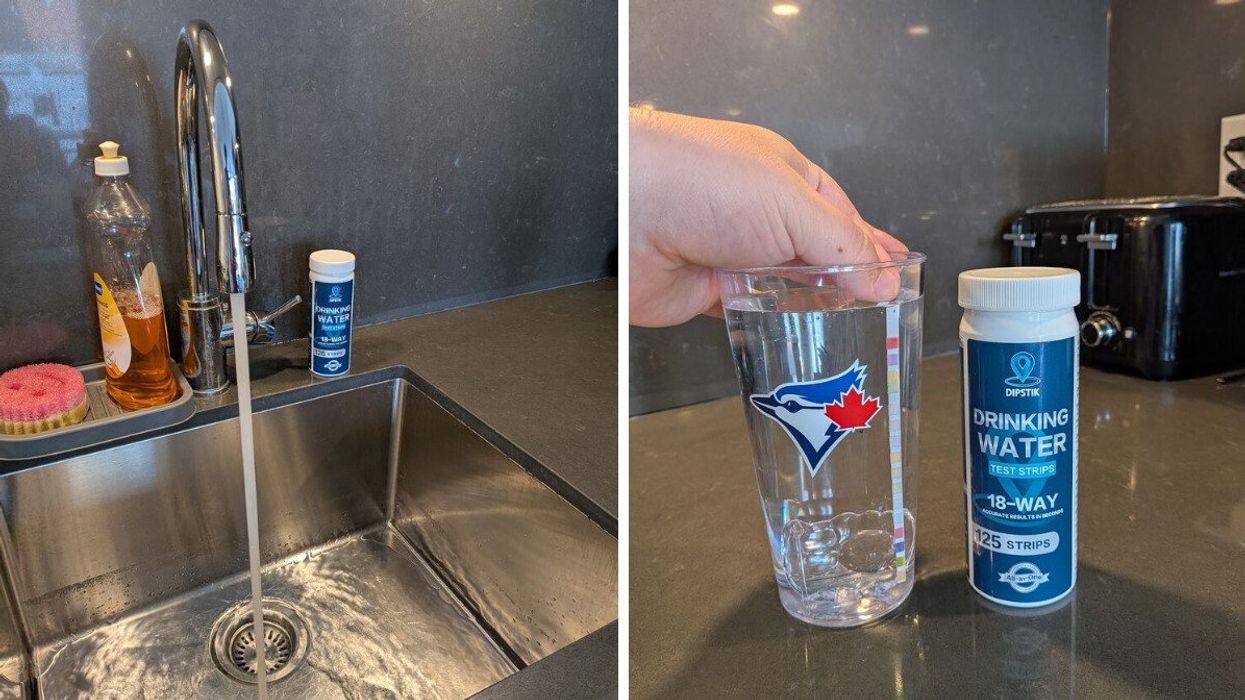
So there I was, standing in my tiny downtown Toronto kitchen, staring at a glass of tap water like it was a mysterious potion. My friend had just told me she only drinks bottled water because “the pipes in old buildings are basically poison.” I took a sip, and honestly? It tasted fine—crisp, cold, and unremarkable. But her little comment planted a seed of doubt that I couldn’t shake.
Maybe you’ve been there too—standing over the kitchen sink, wondering if that clear liquid is truly safe or if you’re just one sip away from a science experiment. It’s a fair question, especially in a city where the housing stock ranges from Victorian gems to glassy new condos. Let’s get real about what’s actually coming out of your faucet in the core of Toronto.
The short answer? Yes, it’s safe—with a caveat or two.
Toronto’s tap water is sourced from Lake Ontario and undergoes rigorous testing by the city’s water division. They run it through a multi-step treatment process that includes filtration, ozonation, and a bit of chlorine to kill any leftover bugs. Honestly, the city’s water quality is monitored so often it’s almost overachieving—they test for over 200 contaminants on a regular basis.
Must Read
But here’s the ironic twist: the water leaving the treatment plant is top-notch. The real issue is what happens after it leaves the plant. That’s where your building’s pipes—especially in older downtown homes—can play a little game of “what’s that sediment?”
Old pipes, new worries (and a bit of ick).
If you’re renting a charming Victorian walk-up or a 1970s low-rise in Little Italy, you might be dealing with lead or copper pipes. The city has been replacing lead service lines, but it’s a slow process. If your building hasn’t been updated, letting water run for 30 seconds before drinking can help flush out any metallic taste.
That slight smell of “swimming pool” you notice? That’s chlorine, and it’s there on purpose to keep bacteria from partying in the pipes. Some people hate the taste, but a quick run through a Brita filter or even leaving it in the fridge for an hour neutralizes that chlorine zip. I do it myself, and it makes a world of difference.
But wait—isn’t there something about the downtown infrastructure?
Sure, downtown Toronto has older water mains, but the city has a dedicated program to flush and clean them. You might see those “hydrant testing” crews running water into the street—that’s them clearing out silt and rust. So that occasional brownish water? It’s usually just iron sediment, and it’s not toxic, though it looks disturbingly like iced tea. Let it run clear, and you’re good.
Let me hit you with a fun fact: Toronto tap water is held to stricter standards than many bottled waters. Yup, the stuff in those pretty plastic bottles isn’t always tested as frequently as what flows from your tap. In fact, some bottled water is just tap water from another city. Makes you think, right?
 Can you drink tap water in Toronto: Is it safe? - Dynamite Sites
Now, what about safety for vulnerable groups?
If you’re pregnant, have a baby, or have a compromised immune system, you’re smart to be cautious. Health Canada suggests that for infants under six months, you might want to use boiled or filtered water for mixing formula. But for the vast majority of healthy adults downtown? You’re totally fine drinking straight from the tap.
I’ll be honest—I still use a simple pitcher filter at home. Not because I’m scared, but because it takes the edge off the chlorine taste and makes my iced tea taste better. Plus, it feels slightly more civilized, even if it’s purely a psychological comfort.
The environmental elephant in the room.
Here’s where the irony really kicks in: all those plastic water bottles from the corner store? They’re creating a massive waste problem, while Toronto’s tap water is free, tested, and perfectly safe. Every time I see someone hauling a case of plastic bottles into a condo, I want to gently tap their shoulder and whisper: “You’re paying for what’s already in your sink.”
But hey, I get it—taste matters, and old pipes can give water a metallic or “basement” vibe. If that bothers you, a countertop filter is a solid investment. The point is, you don’t need to go full-on “doomsday prepper” with gallons of bottled water. Your downtown tap is safe to drink, and the city is transparent about its quality reports (you can look them up online—nerd out for good reason).
So, should you drink it?
Go ahead. Fill your glass. Sip it. If you’re still paranoid, run it for a few seconds first, or throw a lemon slice in there for bonus points. Toronto’s tap water isn’t just safe—it’s a source of pride for a city that sits on one of the Great Lakes.
And my friend who only drinks bottled? She finally tried my tap water after I challenged her to a blind taste test. She didn’t even notice the difference. But don’t tell her I told you that. Some mysteries are best left unsolved—until the next time you’re standing in front of the sink, third-guessing that perfect, clear glass of H2O.
