Whole House Water Filter That Removes Fluoride

So, you’ve heard about whole house water filters that remove fluoride, and you’re wondering if they’re the real deal or just fancy plumbing accessories for conspiracy theorist...
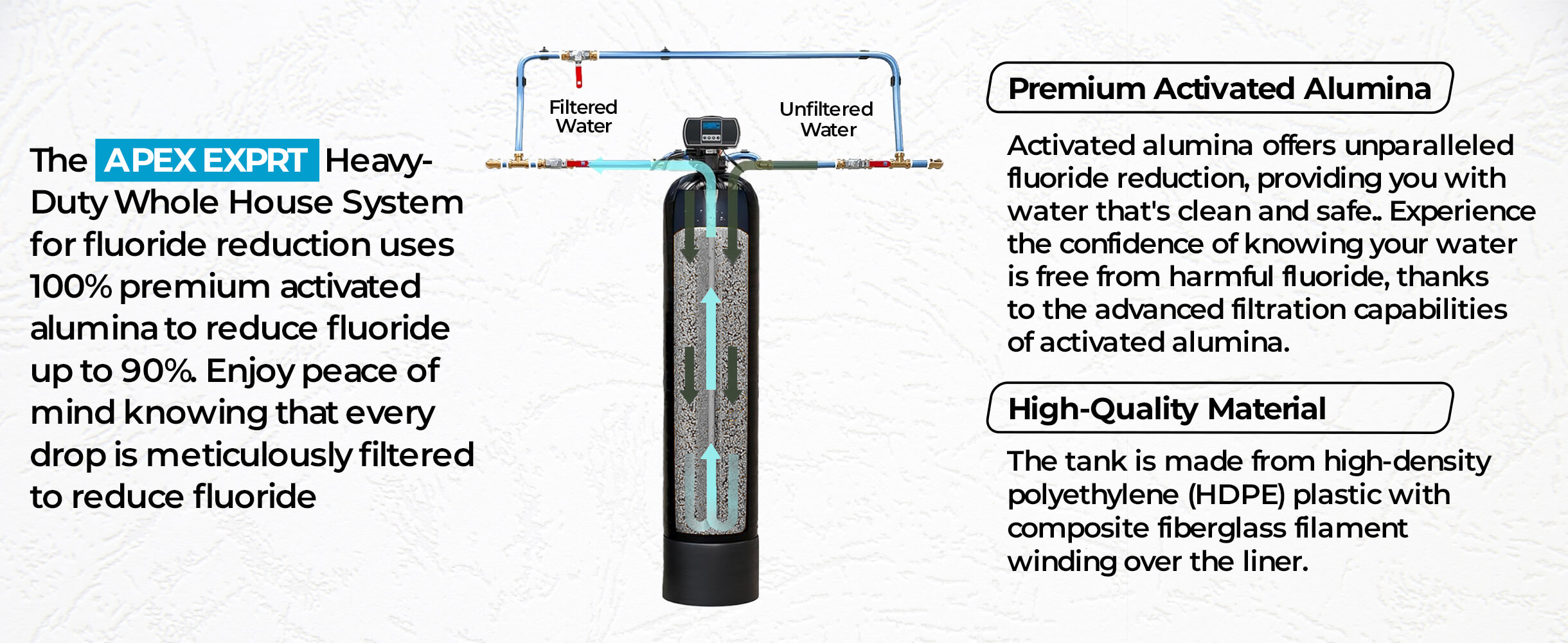
So, you’ve heard about whole house water filters that remove fluoride, and you’re wondering if they’re the real deal or just fancy plumbing accessories for conspiracy theorists. Let’s be honest—fluoride is one of those topics that makes people either nod sagely or run for the hills, armed with a tin foil hat. I’m here to give you the fun, factual scoop, complete with a few giggles, because who says clean water can’t come with a side of laughter?
Wait, Why Would I Want to Remove Fluoride?
First, a quick reality check: fluoride is added to many municipal water supplies to prevent tooth decay, and it works. But imagine if your shower, your pasta water, and your dog’s bowl all came with a mandatory dose of dental remineralization. That’s what a whole house filter tackles—every single tap, from the kitchen sink to the garden hose, gets the fluoride-free treatment.
For folks who are sensitive to fluoride (or just want to control their own dental destiny), removing it at the source makes perfect sense. It’s like saying, “Thanks, but I’ll choose my own toothpaste adventure.” Plus, you won’t have to worry about your pet goldfish developing a sudden interest in flossing.
Must Read
The Secret Sauce: How Does It Actually Work?
Most whole house filters use activated alumina or reverse osmosis—but for fluoride, activated alumina is the star player. Think of it as a microscopic sponge that grabs fluoride ions and whispers, “You shall not pass!” (in a very Gandalf way).
Some systems combine this with catalytic carbon, which also catches chlorine, lead, and that weird smell your water sometimes has. It’s like a spa day for your pipes, minus the cucumber slices. And no, you don’t need a PhD in engineering—most models come with a big, friendly manual that says “Install Me” in bold letters.
The “But Is It Expensive?” Question
Here’s the thing: a good whole house fluoride filter can set you back anywhere from $1,000 to $3,000, plus installation. That sounds steep, until you realize you’re basically paying for a lifetime of not buying bottled water, not replacing shower filters every month, and not arguing with your spouse about why the ice cubes taste like a swimming pool.
Plus, think of the savings on dental bills—just kidding, you’ll still need to brush. But hey, your teeth will stay exactly as fluoride-free as you want them to be. You do you, your pearly whites.
What About Maintenance? (The Boring but Necessary Part)
Good news: most units only need filter changes every 6 to 12 months, depending on your water usage and fluoride levels. It’s like changing a car’s oil, but with fewer greasy hands and more smug satisfaction when you pour a glass of crystal-clear H2O.
Some systems even have automatic flush valves, so you don’t have to remember to scrub anything. Unless you’re the kind of person who enjoys scrubbing things—in which case, I admire your dedication, but you can probably skip this paragraph.
The Fun Part: What You’ll Notice Immediately
First, your skin and hair will feel different. That sticky, rubbery feeling after a shower? Gone. Your shampoo will lather like a Hollywood star, and your towels will stop smelling like they’ve been wrestling a wet dog. It’s basically a miracle for your morning routine.
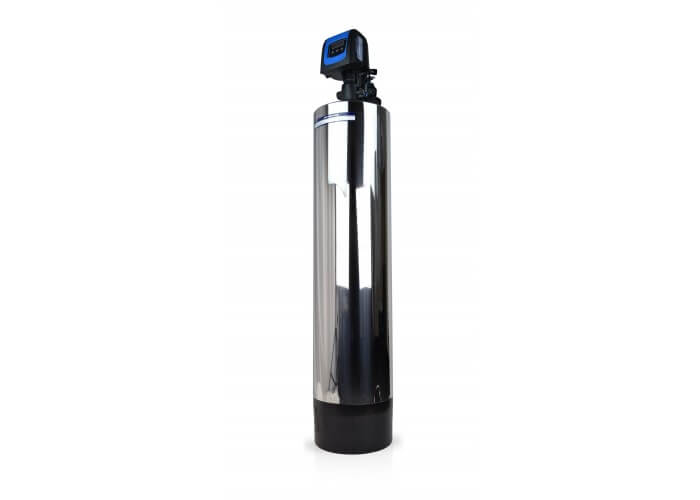 5 Best Whole House Water Filters that Removes Fluoride, Chlorine, Iron
Second, your coffee and tea will taste so much better. No more “metallic notes” that ruin your morning brew. You’ll become that friend who says, “Try my water, it’s from my house—I’m not weird, it’s just amazing.” And they’ll nod, because it really is.
A Little Warning: Not All Filters Are Created Equal
Don’t just grab the cheapest “fluoride filter” on Amazon. Look for NSF/ANSI Standard 53 certification for fluoride reduction. That little logo is your best friend—it means the filter has been tested by actual scientists, not just a guy in his garage named Bob. Sorry, Bob.
Also, some filters claim to remove fluoride but actually just make it angry—so do your homework. Read reviews, ask your plumber, or start a support group for discerning water drinkers. Whatever works.
Is This for You? The Honest Answer
If you live in a place where fluoride is added (most U.S. cities), and you’d rather control your intake, a whole house filter is a game-changer. It’s especially great for families with kids, pregnant people, or anyone who wants to reduce their total chemical load. Plus, your plants will thrive—turns out, plants don’t care about dental health.
But if you’re a renter or on a tight budget, you could start with a point-of-use filter for your kitchen sink. It’s like a baby version: less commitment, still great results. No judgment here—we all have to pick our battles.
The Verdict: Should You Take the Plunge?
Yes, if you want water that tastes like a mountain spring and feels like a gentle hug on your skin. No, if you’re happy with your current setup and don’t mind a little fluoride in your oatmeal. Both choices are valid. But I’ll tell you this: once you go whole house, you’ll never look at a Brita filter the same way again.
And hey, even if you decide to keep the fluoride, you’ve now got a party fact to share at your next dinner gathering. “Did you know I can remove fluoride with a fancy filter? I choose not to, but the power is mine!” That’s the kind of power that makes you feel like a wizard of domestic bliss.
So go ahead, friend—drink up, shower happy, and let your water be as free as you want it to be. Life’s too short for questionable tap water, but just long enough for a good laugh and a clean glass of H2O. Cheers to no fluoride, no fuss, and a whole lot of sparkle! 🚰✨
