Water Filtration Systems For Home Installation

There’s a quiet revolution happening in your kitchen, and it starts right at the tap. We’re talking about home water filtration, the humble upgrade that’s less about crunchy g...

There’s a quiet revolution happening in your kitchen, and it starts right at the tap. We’re talking about home water filtration, the humble upgrade that’s less about crunchy granola and more about genuinely better coffee, clearer ice, and skin that doesn’t feel like parchment. It’s the modern version of the Brita pitcher you forgot in the fridge, but with a serious glow-up.
The truth is, tap water is a cocktail of modern life. It’s perfectly safe, sure, but it often carries trace elements—chlorine, lead, pesticides, and microplastics—that you’d rather not sip. A good filtration system isn’t about fear; it’s about finesse. Think of it as a sommelier for your H2O, removing the off-notes so you can taste the clean, crisp core.
The Big Three: Which Filter Fits Your Flow?
Before you buy anything, you need to know your enemy. Start with a water quality report from your local utility—it’s usually free and fascinating. You might discover you’re battling hard water or high chlorine, which changes your filter strategy entirely.
Must Read
If you want the gold standard for peace of mind, go for a reverse osmosis (RO) system. It’s the overachiever of the filter world, removing 90-99% of total dissolved solids, including arsenic and fluoride. Just be prepared for a bit of water waste (about 3-4 gallons for every filtered gallon) and a dedicated faucet on your counter.
For the pragmatic minimalist, an under-sink carbon block filter is the sweet spot. It’s cheaper, faster, and uses zero electricity, zapping chlorine, bad tastes, and sediment. It won’t remove heavy metals like an RO, but for most city water, it’s a superhero in disguise.
The Countertop Comeback
Don’t sleep on countertop units. They’re the Airbnb of filtration—easy to install, portable, and perfect for renters. Many use gravity or a simple connection to your existing faucet, offering a surprising amount of purity without a plumber’s visit.
And then there’s the whole-house system. This is the big leagues, filtering every drop from every tap. It’s great for protecting your pipes and appliances from scale buildup, but it’s a significant investment—think $1,000 to $4,000 installed. Only do it if you have serious sediment or hard water issues.
Fun fact: the first domestic water filter was patented in 1835, made of charcoal and wool. Today, we use carbon block and ceramic membranes, but the principle is the same—just a lot more effective. Leonardo da Vinci himself designed an early water purification system for the Sforza court, though it didn’t exactly catch on.
Practical Tips from a Filter Connoisseur
Replace your filters on time. I know you think you’ll remember, but you won’t. Set a recurring calendar reminder. A clogged filter becomes a breeding ground for bacteria, which is the exact opposite of what you want. Most need changing every 6-12 months.
Test your water before you buy. A simple DIY test kit from a hardware store ($15) will tell you pH, hardness, and chlorine levels. That data is your map. Don’t buy a Ferrari-level RO system if all you need is a carbon cartridge for taste.
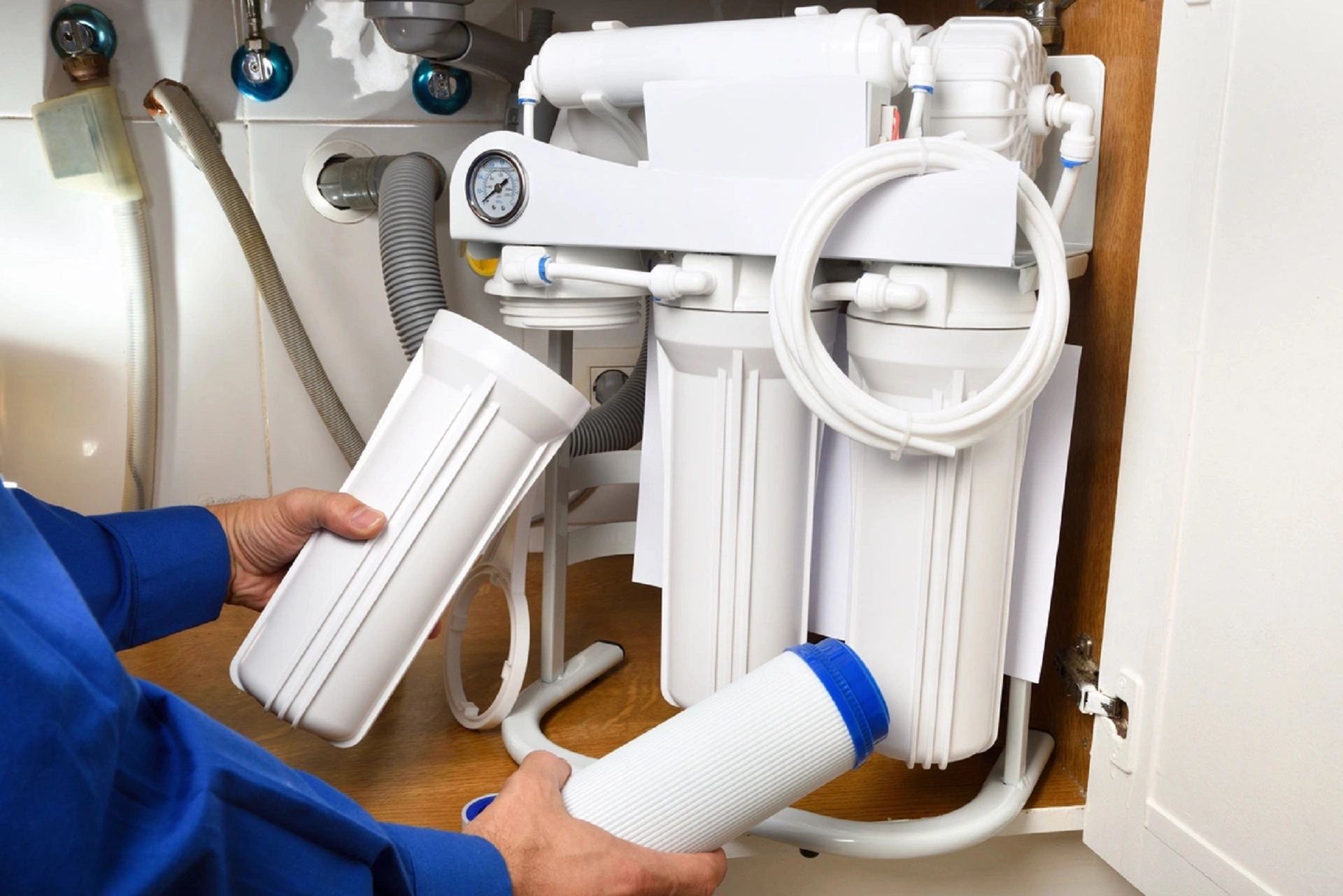 6 Steps On How To Install A Water Filter (DIY Guide) - Gold Coast
Consider TDS (total dissolved solids) as a vibe check. You can buy a cheap TDS meter for $10. Dip it in your filtered water and then your tap water. If the numbers drop dramatically, your system is working. If they’re the same, something’s wrong.
Cultural check: in Japan, many homes have a sui-deru—an in-line filter that connects to the kitchen tap. In parts of India, ceramic candle filters are still household staples. In California, zero-waste influencers swear by Berkey gravity filters. The point? Every culture finds its own path to clean water. You just find yours.
The Hidden Perks
Filtered water isn’t just for drinking. Your kettle will stop looking like a crime scene. Your pasta tastes better. Your houseplants will stop getting white crusty leaves from hard water. Even your ice cubes become crystal clear, which is a weird but satisfying flex at a dinner party.
And let’s talk about cost. A standard under-sink carbon filter system costs about $40–$80 per year in replacement cartridges. Bottled water for one person? Easily $300–$600 per year. It’s a literal no-brainer for your wallet and the planet.
A fun little fact: the human body is about 60% water, so you’re essentially a walking, talking filtration system yourself. Your liver and kidneys do a stellar job, but they also appreciate a cleaner input. It’s like giving your internal organs a better-grade gasoline.
Connecting to Daily Life
I installed a simple under-sink carbon filter two years ago, and the first glass of water was a revelation. It tasted like nothing—pure nothing. Pure, silent, empty. That’s the mark of good filtration: you don’t taste the filter; you taste the absence of everything you didn’t want.
Now, every morning, I fill a glass, and I think about the journey of that water. From whatever aquifer or reservoir, through municipal pipes, through a block of coconut carbon, and into my hand. It’s a small ritual—a one-second pause to appreciate the engineering that makes something so essential feel so effortless.
That’s the real gift of a home filtration system. It’s not about fear or fancy faucets. It’s about taking an invisible, miraculous resource and making it exactly yours. Clean water, clean mind, clean start. Cheers to that.
