Flow Restrictor For Washing Machine Drain Hose

Okay, let’s be real for a second. When was the last time you thought about your washing machine’s drain hose? Probably never, right? It’s that low-key, unsung hero that just h...
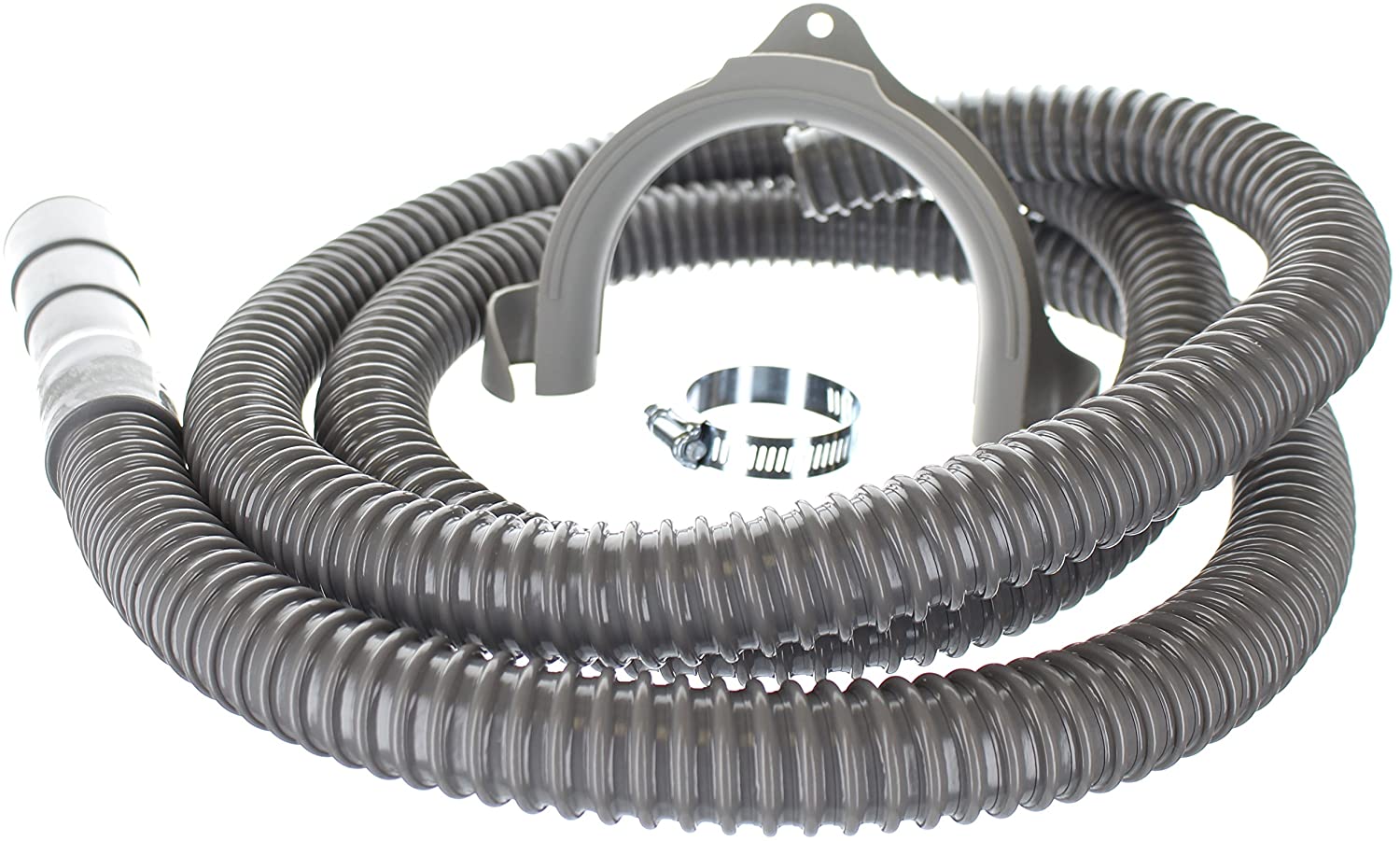
Okay, let’s be real for a second. When was the last time you thought about your washing machine’s drain hose? Probably never, right? It’s that low-key, unsung hero that just hides behind the machine and silently does its job.
But here’s the thing: that humble hose might be trying to tell you something. And it usually involves a lot of gurgling, sputtering, or the sound of a tiny waterfall heading straight for your kitchen floor. Yikes.
Enter the Flow Restrictor. No, that’s not the name of a bad superhero from a 90s comic book. It’s a tiny, plastic, magical doohickey that might just save your laundry day—and your sanity.
Must Read
What Even Is a Flow Restrictor?
Think of it as the bouncer at a club for your drain hose. Its only job is to say, “Whoa there, partner. Slow your roll.” It’s a small plastic insert—often shaped like a little star or a disc—that literally restricts the flow of water.
Why would you want to slow down water? Great question, future plumbing expert. It prevents your machine from draining faster than your home’s pipes can handle. You know, like trying to pour a gallon of milk into a shot glass. It’s not pretty.
If you’ve ever heard a weird glug-glug-glug sound or seen your sink gurgle when the washer is draining, congratulations. You’ve met your enemy, and his name is “siphoning” or “backflow.”
The Drama of Siphoning (It’s Real)
Here’s the science (don’t worry, it’s easy). When your washer drains water, it creates a vacuum. Without a flow restrictor, that vacuum can actually suck dirty water back into the machine after it’s already left town.
Imagine this: your clothes just finished a nice, clean rinse. Then, swoosh, that grimy, lint-filled junk water gets pulled back in. It’s like your laundry is on a bad reality TV show—“The Return of the Filth.”
Nobody wants that. Flow restrictors stop that drama before it starts. They keep the water moving in one direction: out, into the drain, and far, far away from your favorite socks.
Signs You Might Need One (You Probably Do)
Look, not every machine comes with one. Some manufacturers assume your pipes are made of magic. Let’s see if you’re a candidate for the Flow Restrictor Hall of Fame.
Does your drain hose make a noise like a drowning raccoon? That’s a sign. Does water sometimes pool around the base of your machine? Yikes. That’s a bigger sign.
If your washer is hooked up to a deep sink or a standpipe that’s too tall, gravity gets ambitious. It tries to pull water down too fast. The flow restrictor is the calm, steady friend who says, “Let’s take it easy, buddy.”
It’s also a lifesaver if you have a long drain hose run. The longer the hose, the harder the pump has to work. A restrictor balances the pressure so your pump doesn’t stage a dramatic burnout mid-cycle.
How to Install One (Easy Mode)
This isn’t rocket science. It’s more like Lego for home improvement. You do not need a tool belt, a degree in engineering, or a pep talk from a plumber.
First, unplug your machine. Safety first, fun second. Then, find the drain hose. It’s the one that looks like a fat grey snake coming from the back of your washer.
Pull the hose out of the drain pipe or sink. You’ll see the end of it. Pop the flow restrictor inside the hose end. It should fit snugly, like a cork in a wine bottle—but much less celebratory.
Push it in until it’s about an inch deep. Reattach the hose to the drain. Done. You just did a hardcore plumbing job. Reward yourself with a cookie. Or a high-five.
The One Little Catch (Isn’t There Always?)
Okay, fine. There’s a tiny catch. If your machine already drains super slowly, adding a restrictor might make it slower. But that’s rare.
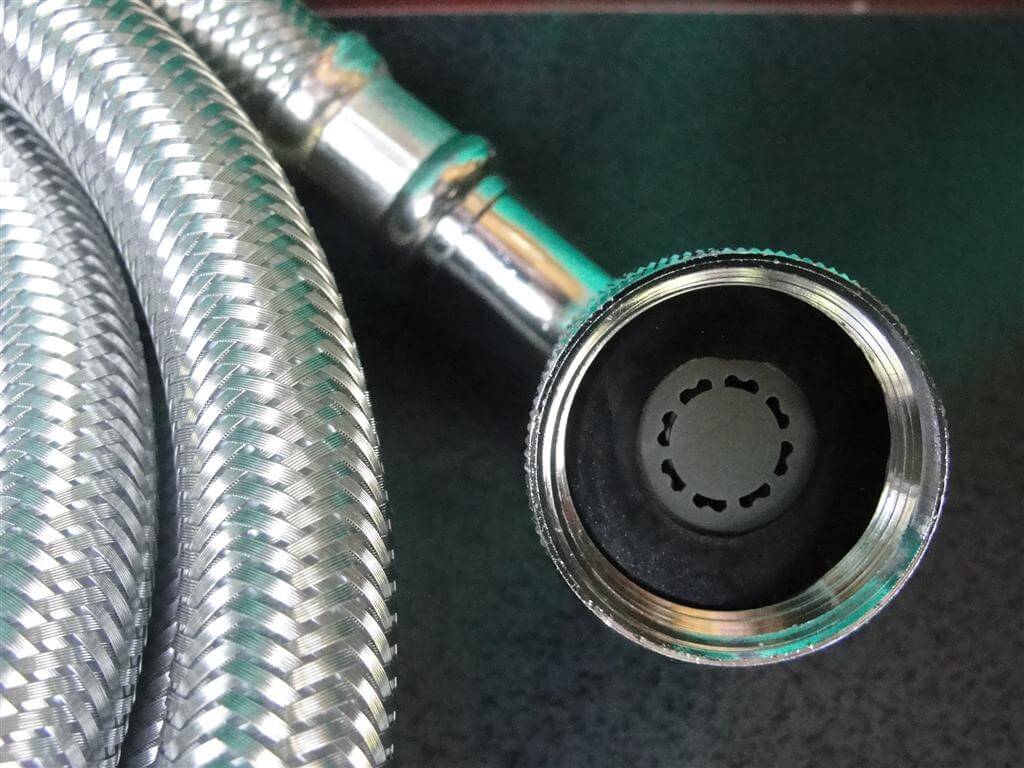 Washing Machine Drain Hose Flow Restrictor at Elaine Boehme blog
In almost every case, a flow restrictor actually improves drainage by preventing airlocks and backpressure. It’s like clearing a traffic jam by adding a slightly slower speed limit. It just works.
If you’re worried, just test it. Run a short cycle and watch. If you don’t hear the gurgle of doom, you’re golden. If you still hear it, you might need a bigger restrictor or a pretty apology to your home’s plumbing gods.
Where to Snag One (And Not Break the Bank)
These little heroes are cheap. Like, two to five dollars cheap. You can find them at any hardware store, big-box home store, or online with free shipping.
Look for the words “flow restrictor” or “drain hose restrictor.” Some washing machine brands even include them free in the manual. Ironic, right? “Here’s a piece of plastic you probably ignored.”
They also come in different sizes. Most standard hoses use a 1-inch diameter restrictor, but check your owner’s manual to be fancy. Or just guess. We won’t tell.
Pro tip: buy a pack of three. They’re tiny. You’ll lose one under the fridge. You’ll find it six months later and laugh at your past self. It’s the circle of laundry life.
What Happens If You Ignore This? (My Honest Opinion)
Honestly? Probably nothing for a while. Your machine might just gurgle and grumble like a grumpy cat. Annoying, but not the end of the world.
But over time, that unrestricted flow can cause mold, mildew, and mineral buildup in your drain hose. It can also stress your machine’s water pump. Pumps are expensive to replace. Like, “buy-a-new-washer” expensive.
Or worse: a sudden, dramatic overflow. One day, you walk into the laundry room, and it’s the set of a water park tragedy. Your socks are floating. Your dreams are damp. All because of a missing two-dollar plastic part.
Don’t be that person. Be the hero. Get the restrictor.
A Quick Joke Before We Wrap Up
Why did the washing machine break up with the drain hose? Because the hose was too draining on their relationship. Ba-dum-tss. Okay, I’ll see myself out.
But seriously, you made it this far. You are now one of the most knowledgeable people in the world about flow restrictors. That’s a weird flex, but I’m proud of you.
Uplifting Conclusion (Smile Guaranteed)
So here’s the truth: life is full of small, unseen parts that make everything work better. A flow restrictor is one of them. It doesn’t ask for credit. It doesn’t need a spotlight. It just sits there in your drain hose, keeping your water calm, your clothes clean, and your floors dry.
And isn’t that beautiful? A little piece of plastic with the soul of a guardian angel. You are now its keeper. You have the power to silence gurgles, stop floods, and bring peace to your laundry room.
Go ahead. Install that restrictor. Give your washing machine the quiet, steady support it deserves. You’ve got this. And tomorrow morning, when you do a load of laundry and hear nothing but a soft, happy hush from the hose, you’ll smile.
You’ll think, “I did that. I’m the flow master.” And honestly? You kind of are. Flow on, friend. Flow on.
