Saltless Water Softener Vs Salt Water Softener

You know that feeling when you step out of the shower and your skin feels like it’s been shrink-wrapped? Or when your favorite glass coffee pot comes out of the dishwasher loo...
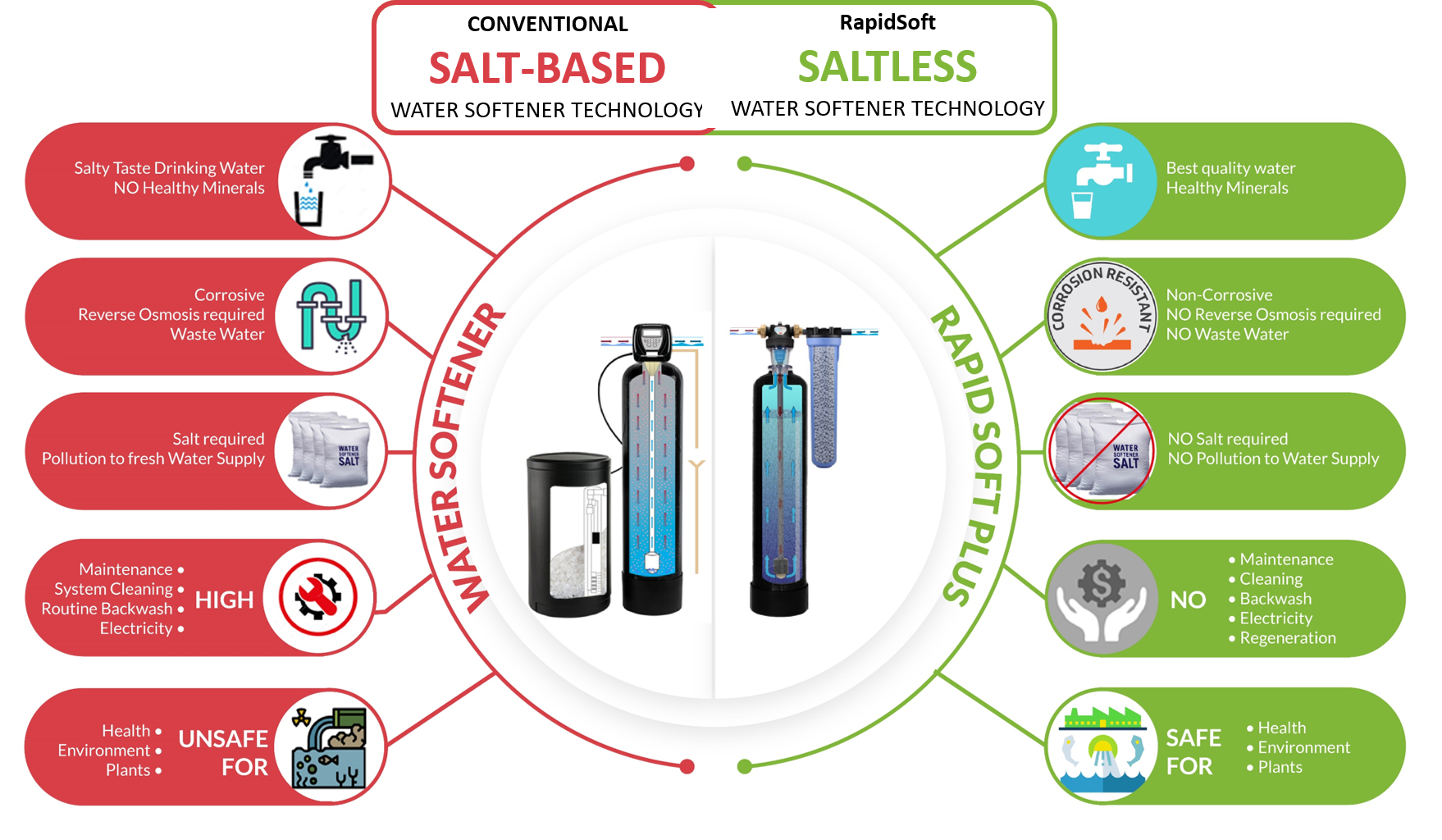
You know that feeling when you step out of the shower and your skin feels like it’s been shrink-wrapped? Or when your favorite glass coffee pot comes out of the dishwasher looking like a frosted window in January? Yeah, that’s hard water—the uninvited guest that leaves a film on everything it touches. It’s like that friend who shows up to the party, drinks all your soda, and then leaves sticky fingerprints on your countertops.
So what do you do? You look into water softeners, and suddenly you’re knee-deep in a battle between saltless and salt water systems. It feels like choosing between a ninja and a knight—both solve the problem, but in very different ways. Let’s break this down without any of that tech jargon that makes your eyes glaze over.
The Heavy Hitter: Salt Water Softeners
This is the old-school champ, the one your grandma probably had in her basement. A salt water softener uses a process called ion exchange—fancy talk for swapping out the nasty calcium and magnesium in your water for nice, friendly sodium ions. Think of it like a hostage swap at the water park: hard minerals are taken away, and soft, slippery water is handed back.
Must Read
The result? Your soap actually lathers, your hair feels like actual hair, and your dishes come out spotless. It’s the difference between washing your hands with mud versus silk. The downside? You have to buy big bags of salt, haul them home from the store (which is always awkward in the grocery cart next to the ice cream), and lug them down to your basement.
And let’s be honest—refilling the brine tank feels like a chore your dad invented just to annoy you. Plus, that salty discharge goes down the drain, which isn’t great for the environment or your septic system. But, if you’re looking for that Oh-My-God-Is-This-A-Five-Star-Hotel feeling every time you shower, the salt-based system is your guy.
The New Kid on the Block: Saltless Water Softeners
Now, don’t let the name fool you. A saltless water softener doesn’t actually soften water in the traditional sense. It uses different tricks—like template-assisted crystallization or magnetic fields—to condition the water. It’s like convincing the hard minerals to stop being jerks and just float through without sticking to your pipes or your skin.
Imagine this: instead of kicking the hard minerals out of the party, you just give them a chill pill so they stop spray-painting your showerhead. You still have the minerals in your water, but they’re deactivated. No salt, no slimy residue, no hauling 40-pound bags from the car.
Here’s the kicker: saltless systems require almost zero maintenance. You install it, and it just sits there being awesome. Your water won’t feel as slippery as a salt-based system—it’s more like a “normal” water that just doesn’t leave spots. Think of it as the difference between a hug from a cloud (salty) and a firm handshake (saltless).
The Big Trade-Offs: What You Actually Care About
Salt water systems give you that luxurious, silky feel, but they cost more upfront and require regular salt refills. They also add a tiny bit of sodium to your water—irrelevant for most people, but if your doctor told you to watch your salt intake, you might side-eye that drinking glass. Pro tip: most salt systems have a bypass line for the kitchen sink so you’re not drinking the softened water.
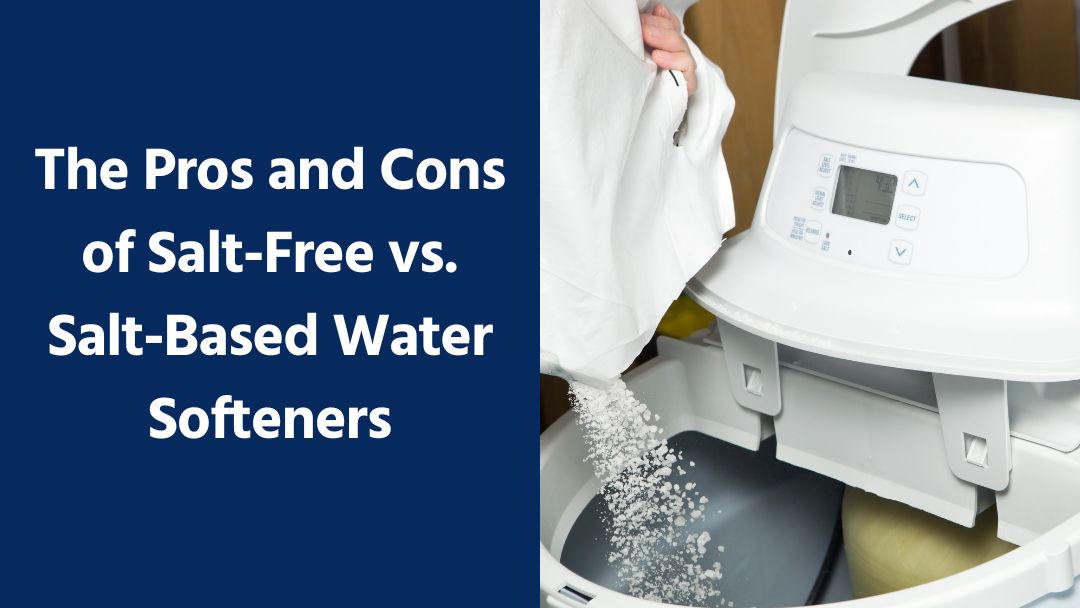 Salt Vs Saltless Water Softener at Abbey Wales blog
Saltless systems are cheaper to maintain and way better for the planet. You don’t waste water from backwashing, and you don’t add salt to the groundwater. But—and this is a big but—they won’t make your hair feel like a L’Oréal commercial. They’re more about protecting your pipes and water heater from scale buildup than giving you that spa-level shower.
So which one is better? It depends on your pain point. If you’re losing your mind over soap scum on your glass shower door and scratchy towels, go with the salt-based system. If you just want to stop replacing your water heater every five years and don’t care if your skin feels “just okay,” the saltless option is your new best friend.
Real Talk: The Anecdote
My buddy Mark bought a saltless system because his wife was tired of him complaining about carrying salt. Two months later, he called me, annoyed. “The water still feels hard!” he yelled. I told him, “Mark, you don’t have hard water. You have scaled expectations.” Once he realized his pipes were happy and his kettle didn’t look like a snow globe, he calmed down. He just needed to adjust his definition of “soft.”
In contrast, my neighbor Carol went full salt. She now takes three showers a day because it feels “too good.” Her garden hose, however, is building up scale because the outdoor spigots aren’t softened. She’s currently trying to convince me to join a support group called “Salt Addicts Anonymous.”
At the end of the day, you don’t have to fight the water. You just have to pick your minor inconvenience. Salt means lifting bags. Saltless means lowering your standards for “silky smooth.” Either way, you’ll win—and your coffee pot will finally stop looking like a crime scene.
So grab a glass of water, sigh, and pick your poison. Or, you know, your softener.
