Difference Distilled Water And Deionized Water

So, picture this: it’s 2 AM, I’m staring at my espresso machine like it’s a spaceship, and the manual says “only use distilled or deionized water.” I panicked. I grabbed a jug...
So, picture this: it’s 2 AM, I’m staring at my espresso machine like it’s a spaceship, and the manual says “only use distilled or deionized water.” I panicked. I grabbed a jug of “purified water” from the fridge—big mistake. My machine started sputtering like a dying cat. (Yeah, I learned the hard way.) That’s when I dove into the rabbit hole of distilled vs. deionized water—and let me tell you, it’s weirder and funnier than you’d think.
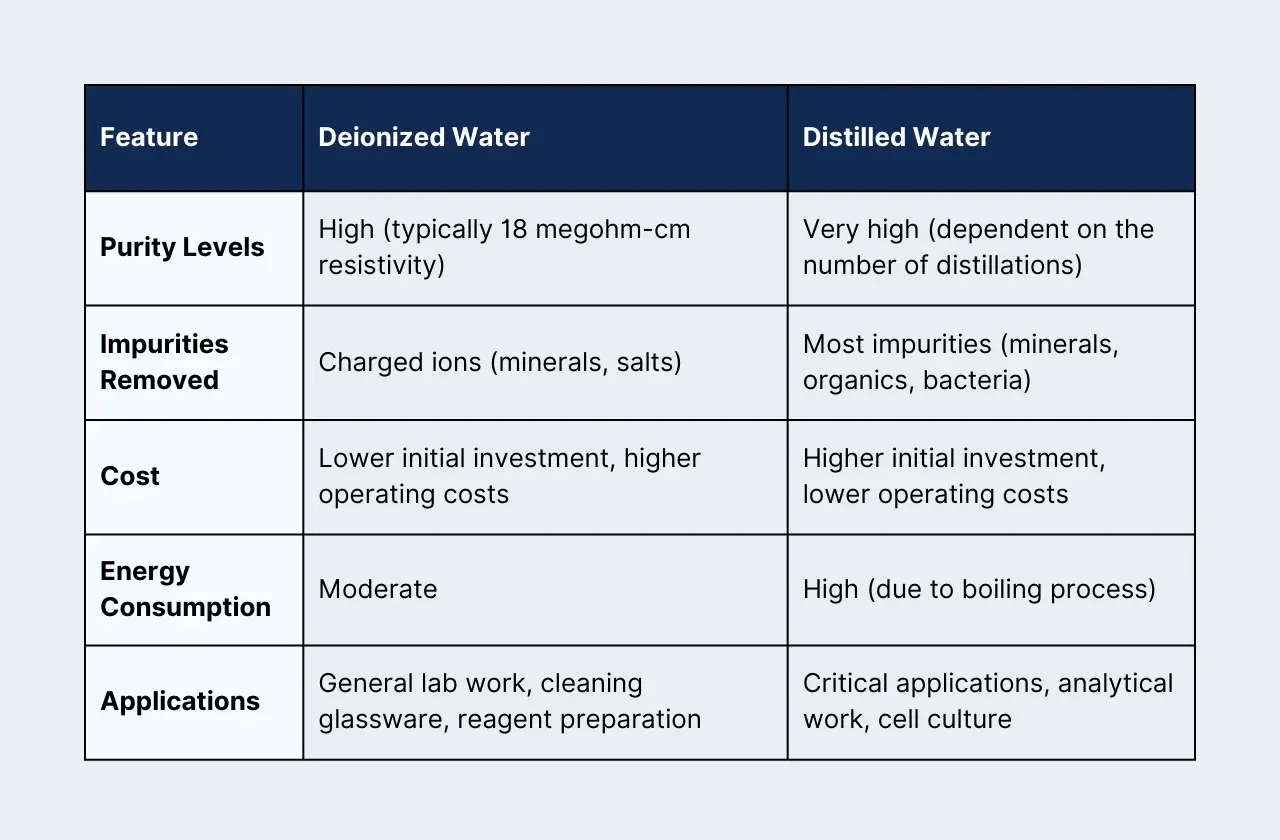
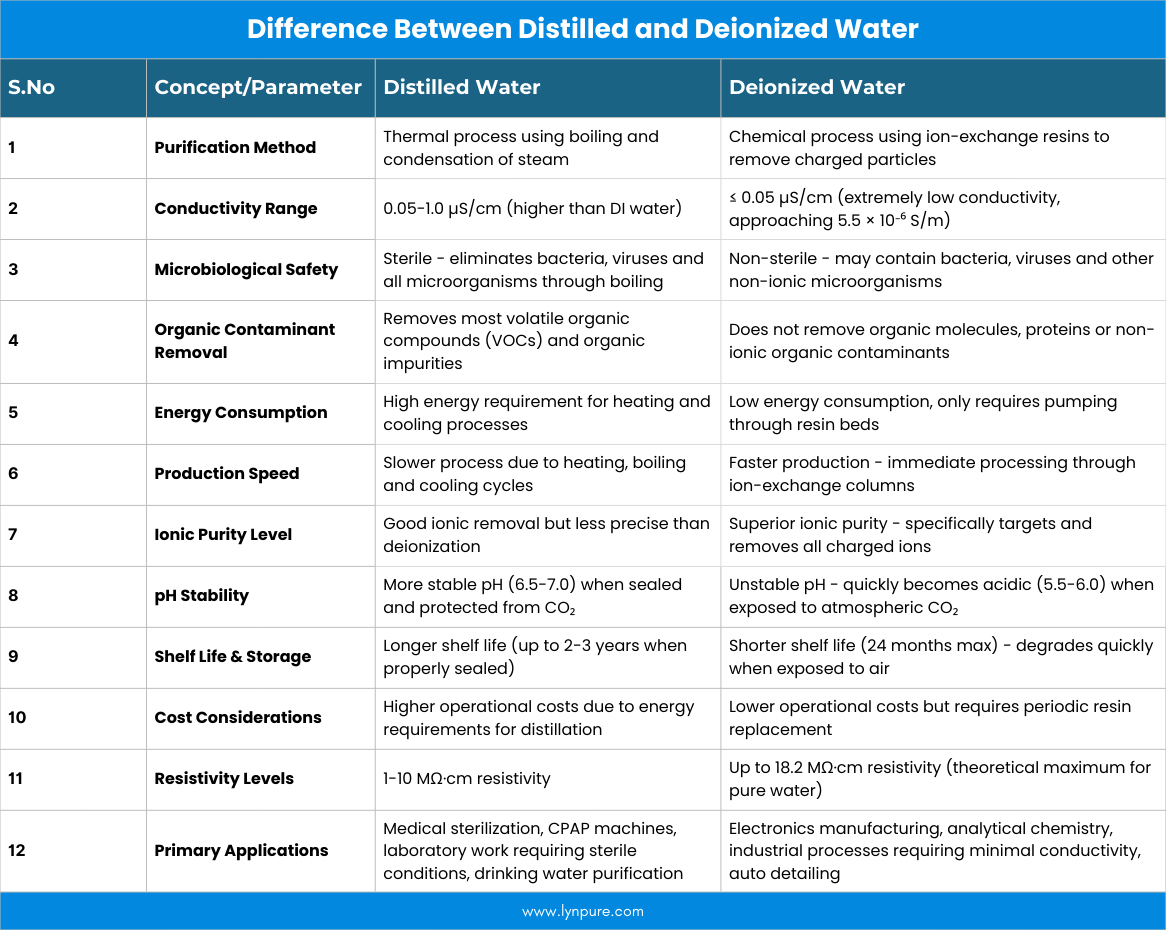
At first glance, both waters look the same: clear, tasteless, and boring. But chemically, they’re like distant cousins who argue at family reunions. One is distilled, boiled into steam and recondensed—imagine water doing a dramatic escape act from its mineral prison. The other is deionized, zapped by resins that suck out charged ions like a magical sponge. Both are ultra-pure, but how they get there? Totally different vibes.
Distilled Water: The Old-School Boil-Off
Distillation is basically water’s version of a sauna detox. You heat water until it vaporizes, leaving behind all the minerals, bacteria, and heavy metals—even that weird calcium buildup from your tap. The steam rises, cools, and drips down as pure H₂O. It’s ancient tech—alchemists did this, but with more hoods and less coffee.
Must Read
Now, here’s the ironic part: distilled water tastes flat. Ever sipped it? It’s like drinking a ghost. That’s because minerals like magnesium and calcium give water its “mouthfeel.” Without them, it’s just… wet nothing. Your espresso machine loves it, but your taste buds? They’ll yawn. (Side note: don’t tell your gym bro, but distilled water is terrible for hydration if you drink it exclusively—it leaches electrolytes. Oops.)
Deionized Water: The Ion-Snatching Ninja
Deionized water is the modern, high-tech cousin. Instead of boiling, it runs through special resin beads that swap charged ions. Think of it as a chemical swap meet: nasty calcium grabs on, and harmless hydrogen or hydroxide ions take its place. The result? Water with zero dissolved minerals—like, scientifically zero.
But here’s the kicker: deionization doesn’t remove organic stuff—no bacteria, no viruses, no bug bits. So if you deionize swamp water, you’ll get pure, ion-free… but still swampy. (Ew.) That’s why labs often use deionized water for experiments, but they pair it with filters or UV light to kill the creepy-crawlies. For your espresso machine, though? It’s perfect—no scale buildup, just blissful silence.
The Showdown: Which One Wins?
Okay, so you’re standing in the grocery aisle, glaring at two jugs. Distilled is cheap, reliable, and kills everything via heat. Deionized is ultra-pure but can be acidic—its pH sometimes drops below 6 because it lacks buffering minerals. (Your plants will hate it. My fern nearly wept.)
 Distilled Water vs Deionized Water | Key Differences
For everyday stuff: distilled is your go-to for steam irons, humidifiers, and baby formula. Deionized? It’s the rockstar for car batteries, lab work, and industrial cooling—places where ions are the enemy. But here’s the curveball: neither is sterile after opening the bottle. Airborne microbes crash the party. So if you need sterile water (for medical gear, say), you need to boil it again. Life is never simple, is it?
A Quirky Truth: They’re Both Thirsty Thieves
Both distilled and deionized water are “hungry” because they’re stripped of minerals. Pour them into a metal cup, and they’ll start dissolving traces of metal. (Your tongue won’t notice, but the cup’s patina will.) That’s why experts say: store them in glass or specific plastics. Also, don’t drink them long-term—they pull minerals from your body. Yes, you can become a human leech. Fun, right?
The Final Sip (and a Joke)
So, back to my 2 AM espresso disaster. I now use distilled water for the machine, deionized for my humidifier (no white dust), and tap for me—because life’s too short for flat water. The moral? Know your water’s personality. Distilled is the reliable friend who boils over in drama; deionized is the cool tech-savvy one who strips everything bare. Both are pure, but how they achieve it? Worlds apart.
And if you ever accidentally use deionized water in a plant pot? Don’t. Just don’t. My succulent is still giving me the silent treatment. 😉
