Contains Water And Dissolved Minerals In A Cell

Alright, pull up a chair. I need to tell you about something that’s basically living inside every single one of your cells right now, and it’s way weirder than you think. I’m...

Alright, pull up a chair. I need to tell you about something that’s basically living inside every single one of your cells right now, and it’s way weirder than you think. I’m talking about that sloshy, unglamorous goo that makes up about 70% of you: cytoplasm. It’s not just water, though. It’s water that’s been on a bender, packed with dissolved minerals and other tiny hitchhikers.
The Wet Mess That Runs the Show
Imagine a water balloon filled with Gatorade, Jell-O powder, and a few thousand microscopic ferrets that never stop moving. That’s your cell. The water inside is literally the stage for every single chemical reaction that keeps you alive. Without it, you’d just be a sad pile of dust with a bad attitude.
But here’s the kicker: plain old H₂O is boring. It needs salt, potassium, and calcium—your dissolved minerals—to turn it into a hyper-efficient, billion-dollar chemistry lab. Think of them as the bartenders of the cellular world, mixing just the right drinks to keep the party going.
Must Read
Why Your Cell Loves a Salty Drink
You’ve heard of electrolytes, right? They’re what plants crave! No, wait—that’s a joke from a movie. But seriously, electrolytes are just fancy names for dissolved minerals that carry an electric charge. Your cell uses them like a frantic electrician rewiring a house during a thunderstorm.
One of the biggest players is potassium. You have more of it inside your cells than outside, and it’s obsessed with keeping things balanced. If the levels get wonky, your nerve cells stop talking to each other. That’s not good—it’s like trying to send a text message with a dead phone and a carrier pigeon that’s on strike.
And then there’s sodium. We demonize it for making us bloated, but your cells beg for it. Without sodium, your muscles wouldn’t twitch, your heart wouldn’t beat, and you’d just be a blob on the floor, drooling and wondering why you can’t grab the remote.
The Spectacular Osmosis Show
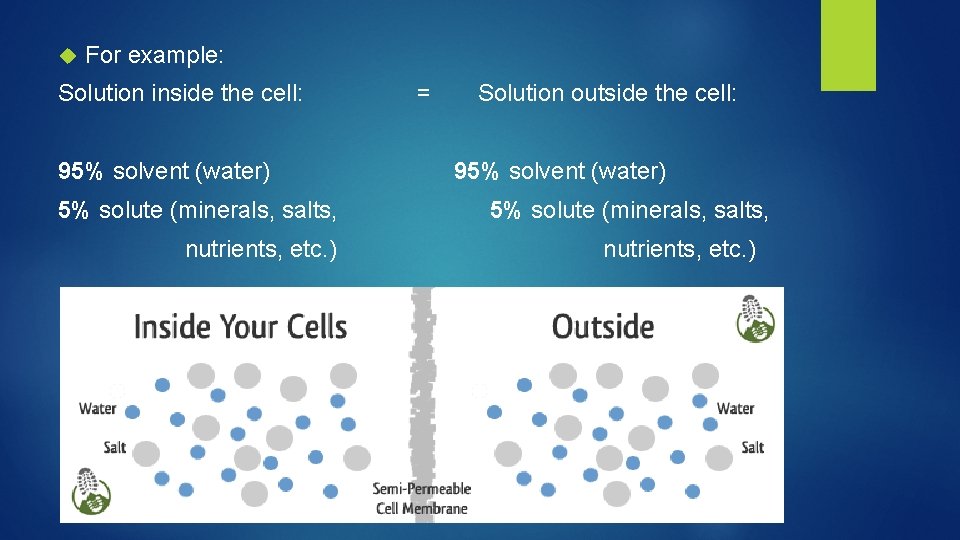
Here’s where it gets unbelievably cool. Water moves across the cell membrane to try and dilute those dissolved minerals, a process called osmosis. It’s the universe’s greatest obsession: water will always migrate to where the salt is highest, because it can’t stand an unfair balance.
Visualize this: your cell is a tiny, squishy fortress. Outside, there’s a river of fresh water. Inside, there’s a super-concentrated soup of minerals. The water tries to rush in, inflating the cell like a pool toy. If too much rushes in, the cell bursts like a water balloon at a kid’s party. That’s bad.
But your cell is smart. It has little pumps—tiny, molecular janitors—that shove the extra water back out. It’s a constant, exhausting battle. My day job is writing articles; your cell’s day job is fighting a hydraulic war against the laws of physics. And it never gets a coffee break.
 Cell Membrane Homeostasis Label Add your notes Cell
The Surprising Fact That Will Win Trivia Night
Here’s a wild one: you know what’s the single most abundant dissolved mineral in your cells? Not sodium. Not calcium. It’s potassium. You have about two pounds of it in your body right now, doing the heavy lifting. And here’s the punchline—if you injected pure potassium into your veins, you’d die instantly. Your heart would stop because the electrical rhythm would go haywire.
But inside your cells, safely dissolved in that water, it’s your best friend. It’s like keeping a lion in a zoo: terrifying up close, but perfectly fine if it’s behind a strong fence and well-fed. The same minerals that kill you from the outside are keeping you alive from the inside. Talk about a toxic relationship.
Calcium: The Drama Queen of Minerals
Calcium gets all the fame for bones, but cells use it for everything. It’s the signal flare your cells fire off to say “contract now!” or “release that neurotransmitter, you lazy brute!” Without calcium, your muscles couldn’t flex, and you’d just be a boneless sack of skin watching Netflix forever.
Fun fact: the calcium in your cells is stored in a tiny pouch called the endoplasmic reticulum. It’s like a hornet’s nest full of angry, sparkly crystals. When a signal comes in, the pouch dumps calcium into the cell water, setting off a chain reaction. It’s the cellular equivalent of pulling a fire alarm that also makes you dance.
What This Means for Your Morning Coffee
Every time you drink a cup of coffee, you’re flooding your cells with water and a few minerals. But here’s the dirty secret: caffeine messes with your calcium channels. It makes your cells a little jittery and confused, which is why you feel like a squirrel on a trampoline after your second mug.
And if you sweat during a workout? You’re losing those precious dissolved minerals. That’s why sports drinks exist—they’re basically complicated water for leaky cells. You’re just refilling the bartenders’ bottles so your cellular party doesn’t crash.
So next time you chug a glass of water, give a little nod to the potassium, sodium, and calcium floating in it. They’re not just dirt. They’re the secret sauce keeping your tiny biological machines from turning into a salty, messy puddle of regret. Cheers to the goo. It’s doing a lot more than you think.
