How Many Ounces Should You Drink Of Water A Day

Let’s get one thing straight: that old “eight glasses a day” rule? It’s about as precise as a weather forecast from a Magic 8-Ball. You know the one—“Outlook not so good.” But...
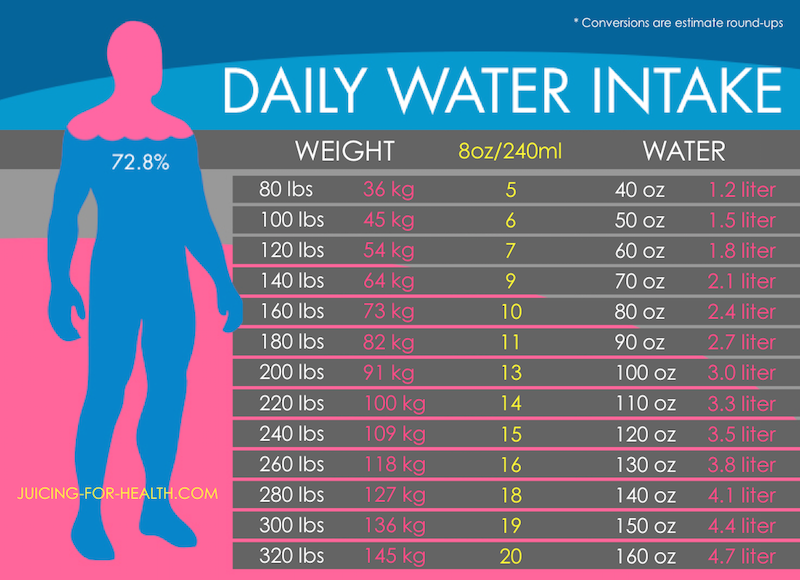
Let’s get one thing straight: that old “eight glasses a day” rule? It’s about as precise as a weather forecast from a Magic 8-Ball. You know the one—“Outlook not so good.” But when it comes to hydration, the truth is a little more fluid. The real number depends on who you are, what you eat, and whether you just ran a marathon or spent the afternoon binging a Netflix series.
The Numbers Game: What Science Actually Says
The U.S. National Academies of Sciences, Engineering, and Medicine finally gave us a solid target. They recommend about 3.7 liters (or 125 ounces) of water per day for men, and 2.7 liters (about 91 ounces) for women. But here’s the kicker: that includes water from all sources—your morning coffee, that juicy watermelon, and even the broth in your ramen.
So no, you don’t need to chug a gallon jug like a contestant on a game show. Think of it as a total fluid budget, not a chore. If you’re eating plenty of fruits and veggies, you’re already halfway there.
Must Read
Your Body Is a Thirsty Spy
Your body has a built-in hydration sensor: urine color. Aim for a pale, straw-yellow shade, like the color of lemonade on a sunny day. If it’s dark like apple juice? You’re running on empty. If it’s perfectly clear? You’re probably overdoing it—and flushing out essential electrolytes.
Fun fact: The average adult loses about 10 cups of water daily just through breathing, sweating, and… bathroom breaks. That’s like pouring a full pitcher down the drain every day. Replacing that is non-negotiable.
The “8x8” Myth and Why We Love It
The classic “8 ounces, 8 times a day” advice is easy to remember, but it’s a rough guess, not a prescription. It originated from a 1945 recommendation that said we need about 2.5 liters daily—and conveniently, people forgot the part about that water coming from food, too.
Think of it this way: “8x8” is like the band-aid of hydration advice. It works in a pinch, but you need a custom fit. If you’re an athlete, a pregnant person, or someone living in a desert climate (hello, Phoenix), you’ll need more. If you’re a desk jockey in Maine? Probably less.
Signs You’re Not Drinking Enough
Besides a dry mouth and a headache that feels like a tiny drummer living in your skull, watch for fatigue and brain fog. Even a 2% drop in hydration can tank your concentration. That mid-afternoon slump? It might not be a lack of coffee—it could be a lack of H₂O.
And if your skin is feeling like parchment paper? Drink up. Your body’s largest organ is basically a thirsty sponge. Don’t make it beg.
Practical Tips for the Water-Averse
Does plain water bore you? You’re not alone. Try these smooth, modern hacks:
- Add a splash of citrus, cucumber, or mint. It’s like a spa day for your glass.
- Use a marked bottle with time goals. “By 10 AM, drink to here.” Gamify it.
- Pair it with habits: Drink a glass before each meal, or after every bathroom break. It becomes automatic.
Also, remember that soup counts, and so does iced tea. Even your morning latte contributes about 80% water. Just go easy on the sugar and caffeine, which can be mild diuretics.
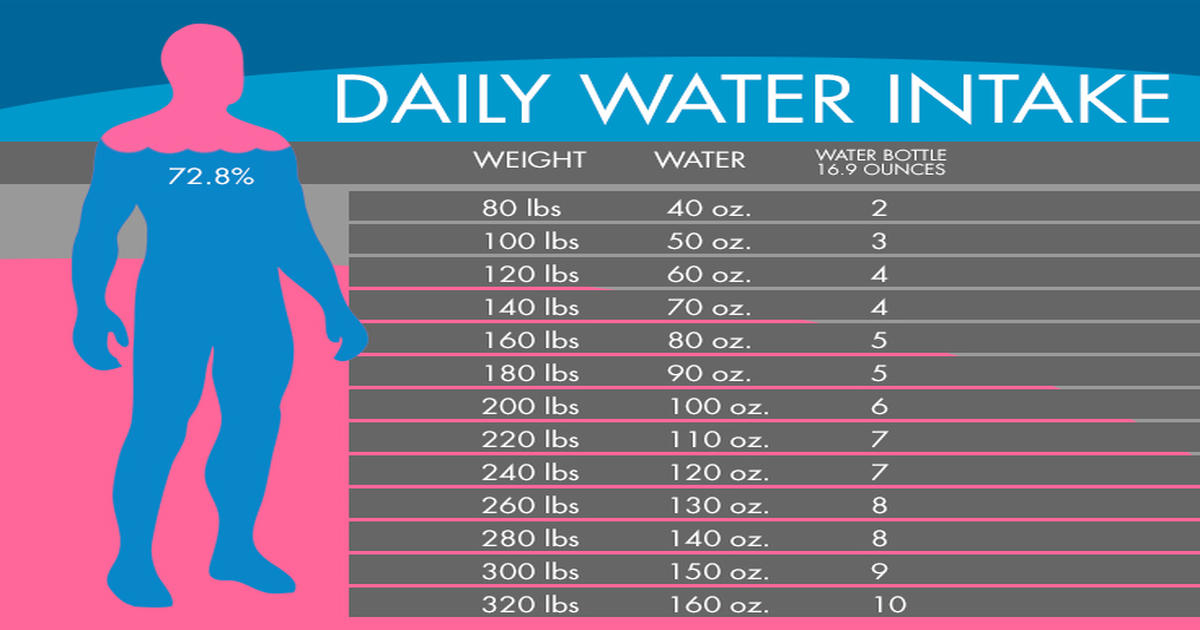 How Much Water Do We Need To Drink, According To Our Weight?
The Temperature Trick
Cold water is absorbed slightly faster than room-temp water, but the real key is temperature preference. If you hate lukewarm water, you won’t drink it. Put ice in it. Or try sparkling water for that soda-like fizz without the sugar.
Fun fact: Your body expends about 8 calories warming up a glass of cold water to body temperature. It’s not a weight-loss strategy, but it’s a nice little bonus. Think of it as a micro-workout for your digestive system.
Cultural Sips: How the World Hydrates
In Japan, it’s common to drink warm water upon waking to stimulate digestion. In India, people sip “nimbu pani” (spiced lemon water) all day. And in many Mediterranean countries, a glass of mineral water is a daily ritual, often served with a slice of lemon and a side of olives.
The global lesson? Hydration doesn’t have to be boring. It can be a moment of pause, a ritual, or even a social act. So ditch the plastic jug and grab a ceramic cup. Make it yours.
When More Is Actually Less
Yes, you can drink too much water. Overhydration, or hyponatremia, happens when you dilute your blood’s sodium levels. Symptoms include nausea, confusion, and—in extreme cases—seizures. But don’t panic; it’s rare and usually only affects endurance athletes or people who chug gallons in a panic.
Your body is smart. If you’re not running a marathon in the heat, drink when you’re thirsty. That instinct is your internal lifeguard. Trust it.
A Short Reflection for Your Day
Here’s the truth: you don’t need a hydration app or a PhD to get this right. Your body will thank you for a simple, consistent effort—not a perfect score. Start your morning with a glass of water before coffee, and you’ve already won half the battle.
The next time you feel a little off—tired, foggy, or just bleh—reach for water first. It’s the cheapest, most underrated upgrade you can give yourself. And remember: life is too short to drink bad water, but too long to be dehydrated. Cheers to that.
