What Are The Two Main Drivers Of The Water Cycle

You probably don’t think about it much, but the water cycle is basically Earth’s own personal laundry service. It washes, rinses, and reuses every drop of water we have, over...
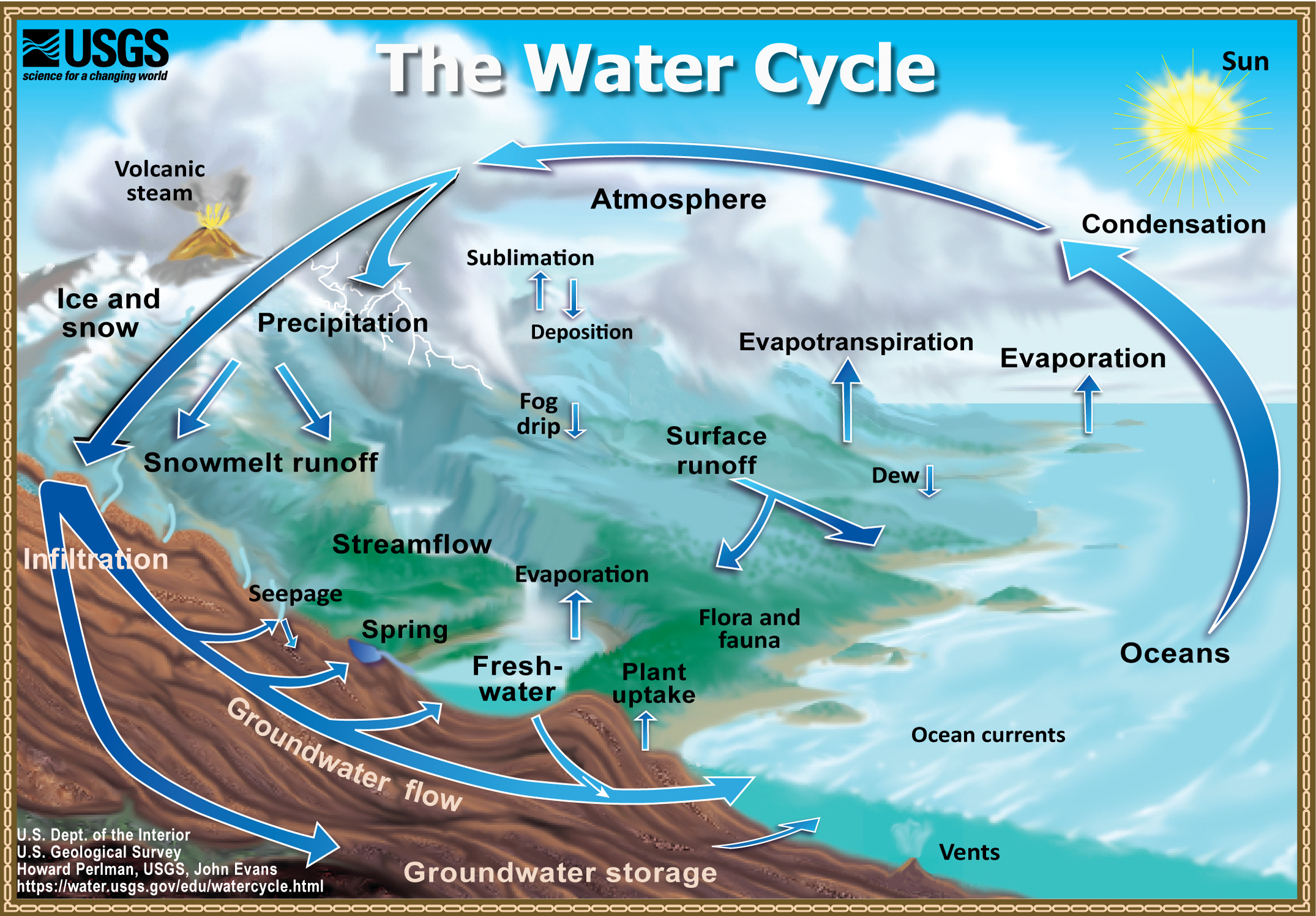
You probably don’t think about it much, but the water cycle is basically Earth’s own personal laundry service. It washes, rinses, and reuses every drop of water we have, over and over again. And just like your favorite washing machine, it runs on two main drivers: heat and gravity. These two work together like a cosmic buddy movie, and they make sure you never run out of water for your morning coffee.
Driver Number One: Heat – The Great Motivator
Heat is the energy that gets water moving. Without it, water would just sit there, frozen and lazy, like a teenager on a snow day. The sun is the ultimate source of this heat, and it works on water every single day.
Think about a wet sidewalk after a summer rain. A few hours of sunshine, and poof—the puddle is gone. That’s evaporation in action, and it's heat giving water a little kick in the pants to turn into vapor and float away. That vapor is invisible, but it’s the start of a huge journey.
Must Read
Here’s a little story: Imagine you’re boiling pasta for dinner. You see those clouds of steam rising from the pot? That’s exactly what happens to oceans, lakes, and rivers on a much bigger scale. The heat from your stove is just a mini-sun for that pot of water, driving the same process.
Heat doesn’t just evaporate water from big bodies of water, either. It also pulls moisture from plants in a process called transpiration. A single big tree can “sweat” out hundreds of gallons of water a year. So when you sit under a shady oak on a hot day, you’re basically sitting under a gentle, leafy water fountain—powered by the sun.
But wait—what about ice?
Heat also melts ice and snow. That’s sublimation (when ice turns straight into vapor) and melting. All that frozen water stored in glaciers and snowcaps would stay locked up forever if the sun didn’t give it a warm hug. Heat is the key that unlocks the freezer.
Driver Number Two: Gravity – The Silent Puller
Now, heat gets water up into the sky, but gravity is the one that brings it back down to Earth. You can’t see gravity, but you feel it, especially after a long run or when you drop your phone. Water feels it, too.
Once water vapor rises high enough, it cools down, turns back into tiny droplets, and forms clouds. When those droplets get too heavy for the cloud to hold, gravity takes over. Down comes the rain. That’s the simplest and most beautiful part of the cycle: what goes up must come down.
Think about it like this: You’re holding a wet sponge over a sink. The more water you squeeze into it, the heavier it gets. Eventually, you can’t hold it anymore, and gravity pulls the water out. That’s exactly what a cloud does—it’s just a fluffy, floating sponge that eventually gets too full.
 Stages Of The Water Cycle In Order
Gravity also does the second part of the job: it pulls the rain downhill. All that water runs into streams, which run into rivers, which eventually make their way back to the ocean. This is called runoff. Water is basically on a nonstop slide, coasting downhill thanks to gravity’s gentle nudge.
And the groundwater? That’s gravity’s quiet work, too.
Some water soaks into the ground, filtering through soil and rock. Gravity pulls it deeper and deeper until it settles in underground aquifers. This is the water that fills your glass at a well, and it only got there because gravity took it on a slow underground road trip.
Why Should You Care? (And Why It’s Kind of Fun)
You care because you are made of water—about 60% of you. Every sip of water you take has been part of this cycle for billions of years. The water in your tea might have once been a dinosaur’s bathwater. Seriously. Heat and gravity are the reason that glass of water is still around, and still safe enough to drink.
You should also care because this cycle affects your everyday life in ways you might not notice. Ever wonder why the air feels sticky before a thunderstorm? That’s heat pushing extra moisture into the air. Ever see a river carve a canyon over time? That’s gravity, working slow and steady.
Here’s the funny part: You already trust these two drivers instinctively. When you hang a wet towel outside, you’re betting on heat to dry it. When you build a sandcastle at the beach, you know gravity will eventually pull the waves back out. You are a water cycle expert—you just didn’t have the fancy name for it.
And here’s the most important reason: Climate change is messing with both drivers. Warmer air (more heat) means stronger storms and more extreme droughts. Melting ice (again, more heat) changes where gravity pulls water, raising sea levels. Understanding heat and gravity helps you understand why your local weather feels weirder than it used to. That’s not just science—that’s your neighborhood.
So next time you feel the sun on your face, or you step in a puddle, give a little nod to heat and gravity. They’re not just physics concepts—they’re your water delivery team. And they’ve been working overtime, without a single coffee break, for over four billion years. That’s a pretty good friendship to have on your side.
