Digital Water Testers Vs Traditional Test Strips

So, you’re staring at your pool, aquarium, or maybe just a suspicious puddle, wondering if it’s safe to drink or swim in. Welcome to the wild world of water testing, where you...

So, you’re staring at your pool, aquarium, or maybe just a suspicious puddle, wondering if it’s safe to drink or swim in. Welcome to the wild world of water testing, where you have two very different contenders: the old-school test strip and the shiny digital water tester. Think of it as a cage match between a flip phone and a smartphone—both can call your mom, but only one will help you find memes about chlorine levels.
The Classic Charade of Test Strips
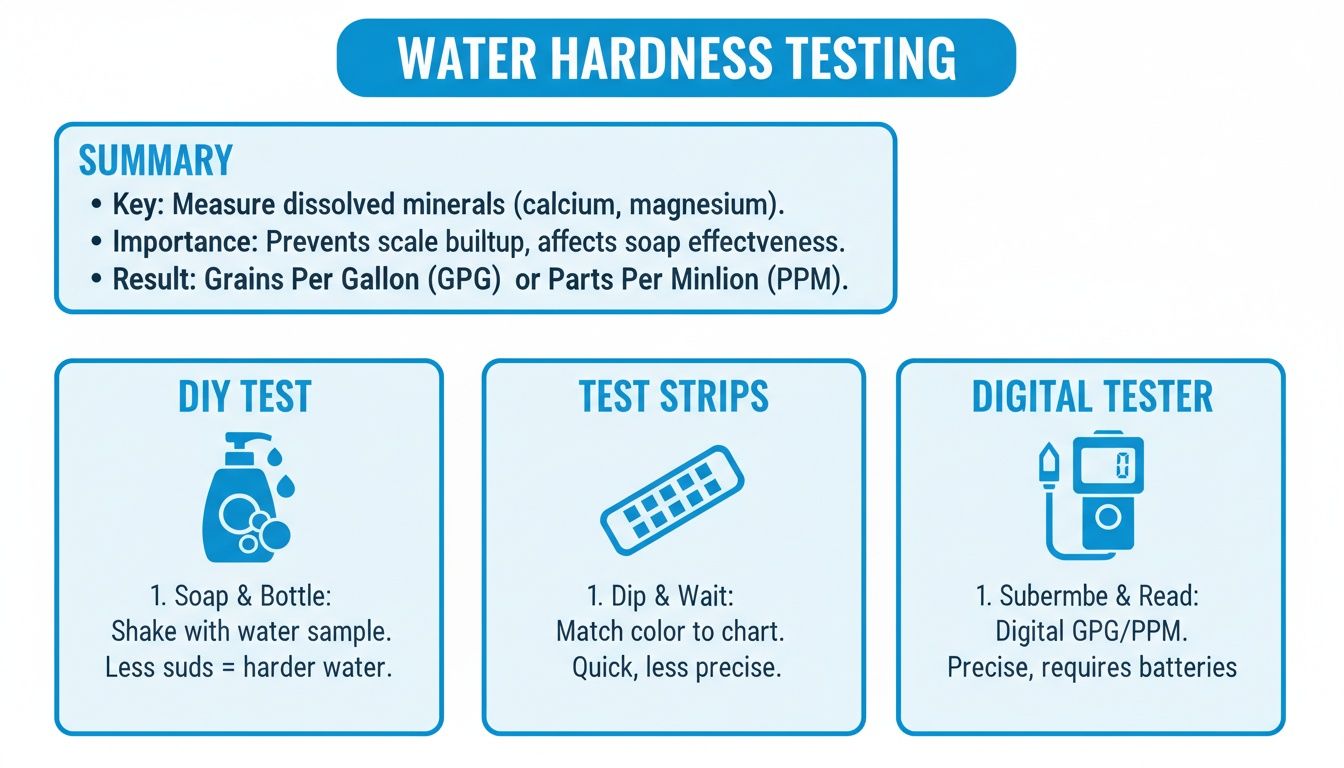
Let’s start with the traditional test strip, the underdog of water quality. You dip a little plastic ribbon into your sample, wait a few seconds, and then squint at a color chart like you’re trying to read a menu without your glasses. The instructions say “match the shade to the pH level,” but my pool water usually ends up looking like a tie-dye shirt after a frat party—how do I compare that to a box of crayons?
Here’s a surprising fact: test strips are actually pretty accurate if you follow the rules, but humans are terrible at color perception. Studies show that even trained chemists misjudge colors by about 30% under bad lighting. So when you guess that your water is “slightly greenish-yellow,” you might be floating in a bacterial soup that’s about to throw its own rave.
Must Read
And don’t get me started on the expiration date of those strips. You find a box from 2019 in the back of your garage, and suddenly your pool water claims to have the pH of battery acid. That’s not science; that’s a reminder to clean out your junk drawer once a decade.
The Digital Overlord
Enter the digital water tester: a gadget that looks like a sci-fi thermometer and beeps at you with the authority of a robot overlord. You stick it in the water, and it spits out numbers on a glowing screen—no squinting, no guesswork, no arguing with your spouse about whether the color is “sea foam” or “algae green.” It’s like having a tiny, nerdy wizard living in your pocket.
But here’s the kicker: digital testers can be too smart for their own good. They need calibration, batteries, and careful storage. Drop one in the pool by accident, and congratulations—you now own a very expensive paperweight that floats. I once left mine in direct sunlight, and it started displaying pH readings in ancient Aramaic (or maybe 9.8—hard to tell).
Surprising fact: some high-end digital testers can measure total dissolved solids, which is a fancy way of saying “how much weird stuff is floating in your water.” Your tap water might have 200 ppm (parts per million), but that pond behind the gas station? We’re talking over 2,000 ppm, which is basically a mineral smoothie with hints of dead frog. Digital testers will tell you that. Test strips will just turn a sad shade of brown.
Which One Should You Buy?
If you’re a casual pool owner who just wants to make sure the kids aren’t swimming in vinegar, test strips are your friend. They’re cheap, disposable, and perfect for a quick check while you’re holding a beer. But be warned: they’re about as reliable as a psychic octopus predicting the World Cup. You’ll get a general idea, but don’t bet your fish’s life on it.
 How to Treat Hard Water: A Homeowner's Filtration Face-Off
On the other hand, if you’re a water snob (I mean that lovingly) or you keep expensive koi fish that require the molecular purity of a Himalayan glacier, go digital. A good digital tester costs about $30–$100—roughly the same as a nice dinner out, but with fewer calories. It will give you exact numbers and make you feel like a scientist, even if you’re just checking the kiddie pool.
Here’s a pro tip: buy both. Use the strips for a quick vibe check, and whip out the digital gadget when you need to impress your friends or prove that the public fountain is actually a biohazard. It’s like owning a hammer and a chainsaw—one is for nails, the other is for when you really need to make a point.
The Surprising Truth
Let’s debunk a myth: digital testers are not always more accurate than strips. Cheap digital models can drift off calibration faster than a politician’s promises. Meanwhile, a fresh test strip from a reputable brand is surprisingly precise for the price. The real difference? Convenience. Digital gives you a number; strips give you a riddle.
Also, consider your audience. If you’re testing your aquarium for a betta fish named “Princess Bubblegum,” she probably doesn’t care about decimals. But if you’re brewing your own kombucha or maintaining a saltwater reef tank, you’ll need the granular data that only a digital tester provides. Otherwise, your coral might go on strike and unionize.
Final bizarre fact: the first water testers were invented by ancient Egyptians using papyrus soaked in natural dyes. They would dip it, compare it to a Nile mud chart, and call it a day. We’ve come a long way, but we still argue about whether “blueish-green” means “safe” or “you might grow a third toe.”
So, what’s the verdict? If you want speed and simplicity, grab the strips. If you want bragging rights and precision, get the digital tester. Either way, you’ll avoid the ultimate horror: finding out your water is filled with chemicals that could fuel a robot uprising. Stay hydrated, stay testy, and maybe don’t drink from that puddle.
