Water Filters That Remove Pfas And Microplastics

Let’s be honest: we’ve all reached for a glass of tap water and thought, “Hmm, what’s that taste?” Maybe it’s a hint of chlorine, or that faint metallic tang that makes you su...

Let’s be honest: we’ve all reached for a glass of tap water and thought, “Hmm, what’s that taste?” Maybe it’s a hint of chlorine, or that faint metallic tang that makes you suspect your pipes are plotting against you. We worry about cloudy skies, but lately, it’s the invisible stuff in our drinking supply that’s got us side-eyeing our own kitchen sink.
You’ve heard the scary buzzwords: PFAS (the “forever chemicals” that refuse to leave your body, like that one friend who crashes on your couch) and microplastics (tiny bits of water bottles past, living their best life in your morning coffee). Suddenly, a simple glass of water feels like a DIY chemistry experiment—and not the fun volcano kind.
The “Forever Guest” And The Plastic Confetti
Think of PFAS as the ex who lingers in your group chat long after things ended. They’re in non-stick pans, rain jackets, and fast-food wrappers, and they don’t break down naturally. Once they’re in your body, they tend to stick around—we’re talking years of unwanted guest status.
Must Read
And microplastics? They’re the glitter of the non-human world—tiny, everywhere, and impossible to fully clean up. They shed from synthetic clothing, car tires, and yes, that plastic bottle you swore you’d recycle. Researchers are finding them in Arctic snow, human lungs, and even the placentas of unborn babies. Pretty wild for something you can’t see, right?
But here’s the punchline: you don’t have to live like a paranoid superhero. The answer is simpler than a conspiracy theory and way cheaper than a lifetime of bottled water. You need a water filter that actually nabs these microscopic party crashers.
Not All Filters Are Created Equal (Sorry, Brita Fans)
I love my standard pitcher filter for making tap water taste less like a swimming pool, but here’s the tough love: most basic carbon filters don’t touch PFAS or microplastics. They’re great for chlorine and bad tastes, but they’re like bringing a flyswatter to a tick fight—nice try, but not quite enough.
To kick out PFAS and microplastics, you need a filter with activated carbon that’s been treated to a high standard, or better yet, reverse osmosis (RO) technology. Reverse osmosis is basically the bouncer at the water bar—it pushes water through a super-tight membrane that blocks nearly everything, including those forever chemicals and tiny plastic shards.
The Undersink Savior And The Countertop Buddy
If you’re handy or willing to watch a YouTube tutorial, an undersink reverse osmosis system is the gold standard. It lives under your sink, shoots water through a dedicated faucet, and quietly removes up to 99% of contaminants. It’s the difference between drinking from a puddle and sipping from a spring—but without the smugness.
Not handy? No problem. There are countertop RO filters that plug in like a water cooler or just sit on your counter. You pour water in the top, and it drips purified water into a carafe. It’s like a really slow, really diligent butler who only serves one drink—but it’s the right drink.
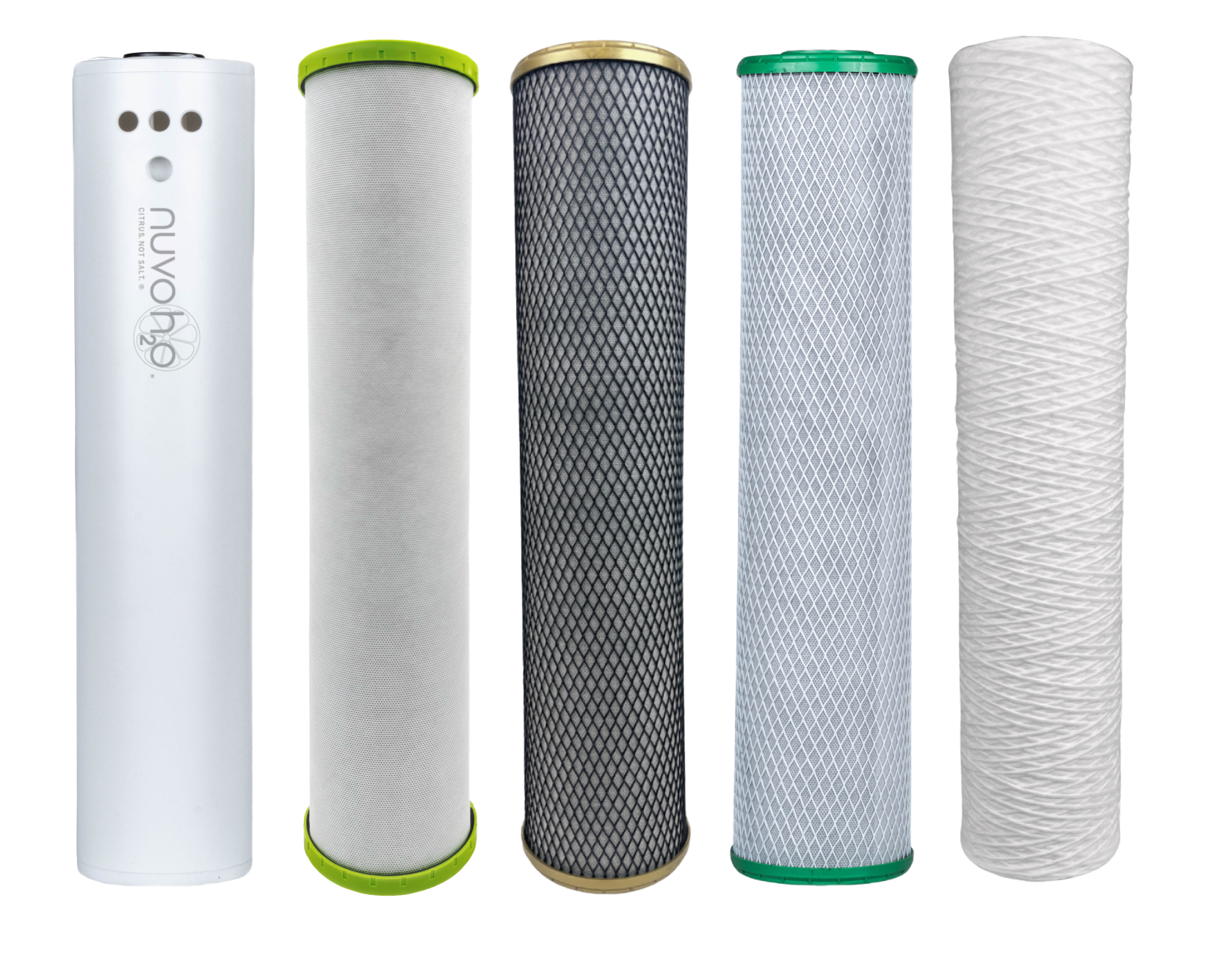 Can Your Filter Remove PFAS? Microplastics & Forever Chemicals in Water
And for the budget-conscious or the “I’ll deal with this later” crowd: look for certified PFAS-removing pitcher filters (like those from Clearly Filtered or Epic Water Filters). They aren’t cheap for a pitcher, but they’re better than nothing and still remove up to 95% of the bad stuff. Just don’t expect a miracle for the price of a latte.
Real Life Test: The “Dishwasher-Filter” Moment
I installed an undersink RO filter last year, and I swear my morning coffee lost its weird sour edge. My partner, who claims to “taste fluoride,” didn’t say a word—and for him, that’s a standing ovation. The only downside? It takes a solid thirty seconds to fill a glass, so you learn patience or you walk away and forget your water (I’ve done that. Twice).
You also have to change the filters regularly, which feels like replacing the batteries in a smoke detector—annoying but essential. Most systems have a little light or a sticker to remind you. Miss a change, and you’re basically drinking artisanal pond water.
The Bottom Line: You Already Drink Water, Make It Count
Look, I’m not here to scare you into buying a $500 water distiller or building a secret lab in your pantry. But if you’re already slurping down tap water—or worse, buying single-use plastic bottles that bring their own microplastics—you deserve a upgrade. It’s not about being paranoid; it’s about being pragmatic.
Think of it like this: you wouldn’t eat a sandwich that sat on a garage floor for a week. Why drink water that’s been a highway for forever chemicals and plastic dust? A good filter is just the insurance policy your liver never knew it needed. Plus, it makes you feel like a very smug, very hydrated adult—and honestly, we could all use a little smugness in our hydration game.
So next time you fill your glass, imagine a tiny army of carbon or a reverse-osmosis superhero doing the work for you. It’s not magic; it’s science with a sense of humor. And it’s cheaper than therapy.
