Reverse Osmosis Water Filter System For Nitrates

Let’s be honest—most of us don’t give our tap water a second thought. We turn on the faucet, fill a glass, and drink. But what if I told you there’s a sneaky little troublemak...

Let’s be honest—most of us don’t give our tap water a second thought. We turn on the faucet, fill a glass, and drink. But what if I told you there’s a sneaky little troublemaker called nitrates that could be hiding in that crystal-clear water? And no, I’m not talking about the stuff in bacon. This is a different kind of nitrate, and it’s worth paying attention to.
The Uninvited Guest in Your Glass
Think of nitrates like that one relative who shows up unannounced at a barbecue. They’re not terrible, but they can make things a bit awkward. In small amounts, nitrates are harmless—they’re even in leafy greens like spinach.
The problem starts when they overstay their welcome. High levels of nitrates in drinking water come from fertilizer runoff, septic tanks, or even old plumbing. Too much can mess with your body’s ability to carry oxygen, especially for babies and pets. Suddenly, your simple glass of water feels a little less simple, doesn’t it?
Must Read
Why Your Inner Kid Should Care
Remember that gross, metallic taste from a garden hose when you were a kid? That’s not the taste of nitrates—they’re actually odorless and tasteless. Which is exactly why they’re so tricky. You can’t see them, smell them, or taste them.
So, you could be drinking them every day without a clue. That’s like having a roommate who eats your leftovers and never says a word. Sneaky, right? A reverse osmosis water filter system is like putting a polite but firm bouncer at the door of your water glass. It says, “Sorry, nitrates—you’re not on the list tonight.”
The Superhero of Kitchen Countertops
Okay, “reverse osmosis” sounds like a sci-fi term from a movie about shrinking submarines. But really, it’s simple. It’s a filter that pushes water through a very fine membrane, trapping the big stuff—like nitrates—on one side. Think of it like a strainer for pasta, but way fancier.
Only the cleanest, purest water makes it through. It’s like giving your water a spa day, every single time. And the best part? It works for other things too, like lead, chlorine, and those weird cloudy bits you sometimes see. Your tap water goes from “meh” to crisp and refreshing.
A Little Story from My Own Sink
I’ll be real with you. A few years ago, my neighbor insisted on using a reverse osmosis system. I thought she was just being fancy. Then, one afternoon, she poured me a glass of water from her system. It was like drinking from a mountain spring—no aftertaste, no weirdness.
I asked her why she bothered. She said, “Our town gets high nitrates in spring from rain runoff, and I’m not letting my grandkids sip on fertilizer water.” That hit me. She wasn’t being fancy; she was being smart. Now I have one under my sink, and I honestly judge every other glass of water now. Sorry, fellow hosts!
How It Actually Works (Without the Jargon)
Imagine you’re making coffee with a French press. The mesh catches the grounds, and the good stuff goes through. Reverse osmosis is similar, but the mesh is super-duper tight—so tight that only H2O molecules slip through. Nitrates, which are bigger molecules, get left behind and flushed away.
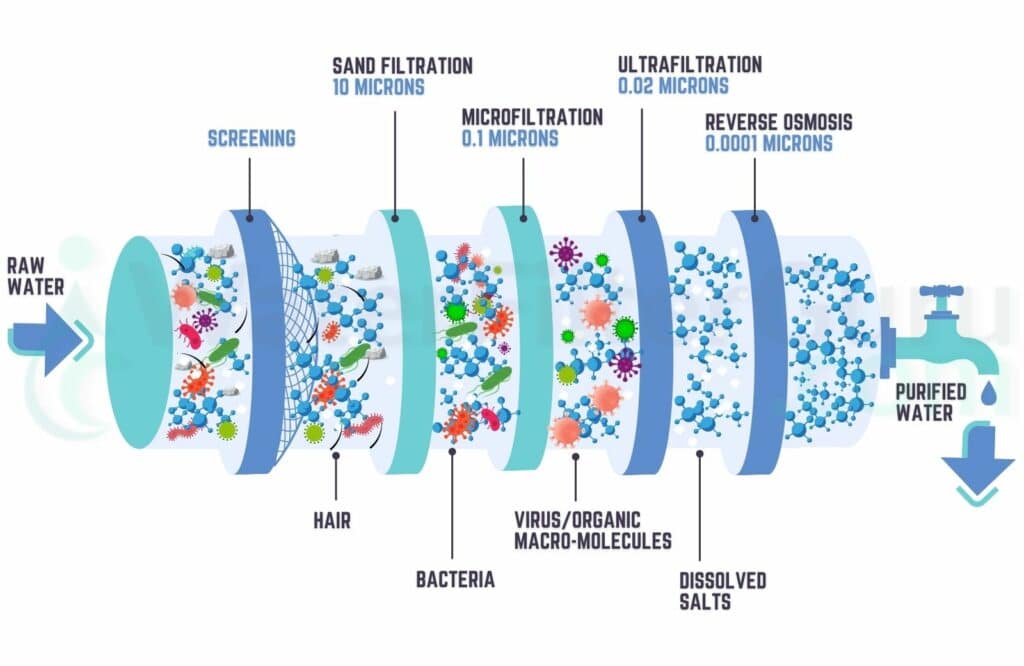 Does Reverse Osmosis Remove Nitrates?
Most systems sit under your sink or on your counter, and they don’t need a PhD to operate. You just fill a tank, wait a bit, and voilà—nitrate-free water. It’s like having a tiny, thirsty robot that works while you binge-watch your favorite show.
But Is It Worth the Hype?
Let’s talk money. Yes, a reverse osmosis system costs some cash upfront—think $150 to $300 for a decent one. But compare that to buying bottled water for years, and it’s a steal. Plus, you’re skipping the plastic waste. Mother Earth gives you a virtual high-five.
And the maintenance? Just swap the filters every six months or so, which is easier than remembering to water your houseplants. You’re investing in peace of mind. No more worrying about what’s hiding in your water while you’re cooking rice or making morning coffee.
Who Really Needs This
Honestly, anyone who lives in a rural area near farms or uses well water should take a closer look. Well water is basically nature’s surprise bag—you never know what’s in it. But even city folks aren’t immune; old pipes can be troublemakers too.
If you’ve got a baby in the house, this is a no-brainer. Their tiny bodies are extra sensitive to nitrates. And if you’re a plant parent like me, you’ll notice your ferns and succulents perk up with filtered water. They don’t complain, but they know.
The Bottom Line (Yes, It’s Fun)
Think of reverse osmosis as giving your water a little attitude adjustment. It’s not about being paranoid—it’s about being smart and cozy in your own home. You deserve water that tastes good and does good things for you.
So next time you’re sipping tap water, take a second. Does it taste like nothing? Perfect. But if there’s a faint “something” you can’t place, maybe it’s time to let a reverse osmosis system do the heavy lifting. Your future self—and your grandkids—will thank you. Cheers to that!
