2 Main Sources That Our Drinking Water Comes From

Have you ever stopped mid-sip, looked at your glass of water, and thought, “Where did you come from?” No? Well, let’s fix that right now. Because knowing where your drinking w...
Have you ever stopped mid-sip, looked at your glass of water, and thought, “Where did you come from?” No? Well, let’s fix that right now. Because knowing where your drinking water begins is actually a fun little secret that makes every glass feel like a tiny adventure. Trust me, by the end of this, you’ll never look at a faucet the same way again.
Source #1: Surface Water – The Star of the Show
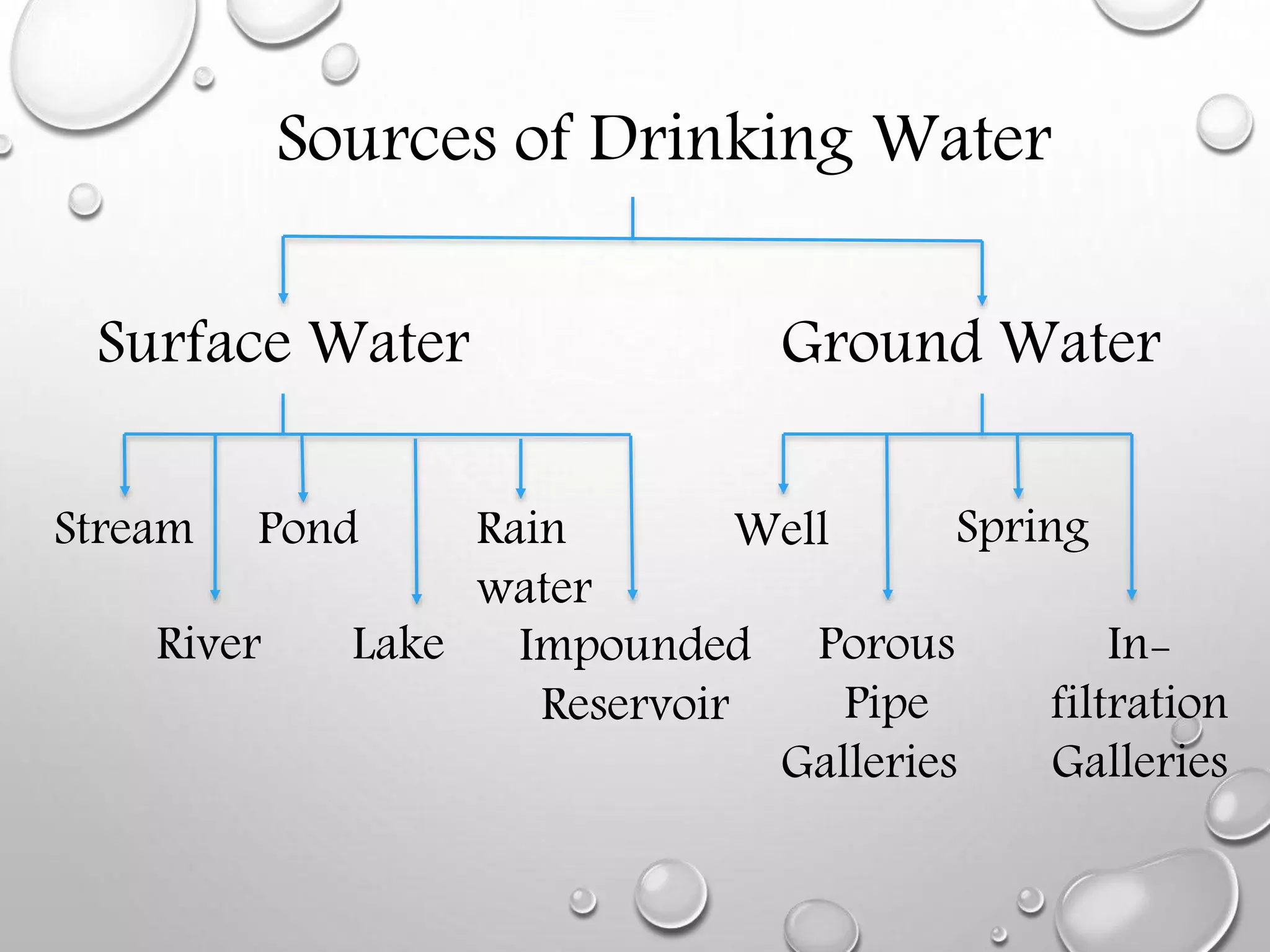
Most of your drinking water starts its life as surface water. Think rivers, lakes, and reservoirs—the big, splashy, scenic stuff you see on postcards. About 80% of the water you use at home actually comes from these open-air sources.
Now, here’s the wild part: that water you’re drinking might have once been part of a thunderstorm over a mountain, or a lazy river floating past a beaver dam. Isn’t that kind of cool? It’s like your water has a travel résumé.
Must Read
Of course, surface water picks up dirt, twigs, and the occasional curious fish along the way. That’s why treatment plants work their magic—filtering, settling, and disinfecting until that muddy river water becomes crystal-clear and safe for your morning coffee.
Next time you watch a stream while hiking, give it a little nod. You’re basically saying, “Hey, I’ll see you later at my kitchen sink.” It makes nature feel a lot more personal, doesn’t it?
Don’t Forget the Rain Barrel Effect
When rain falls directly into reservoirs, it’s nature’s free delivery. But here’s a fun fact: surface water is renewable—the water cycle keeps refilling it, like a magical, never-ending pitcher. That’s why we can drink from lakes without running out (as long as we’re careful with droughts).
So go ahead, take a sip from your tap and imagine the journey. It’s a tiny, everyday miracle that starts with a raindrop hitting a lake.
Source #2: Groundwater – The Hidden Treasure
But wait—there’s a second, more mysterious source that supplies about 20% of our water. It’s called groundwater, and it’s hiding right beneath your feet. Literally. Under the soil, there are giant, ancient pools called aquifers.
Picture this: rain seeps through sand and rock, slowly trickling downward for decades or even centuries. It gets naturally filtered by the earth, like a giant Brita filter made of stone. When you drink well water or water from a spring, you’re tasting liquid history.
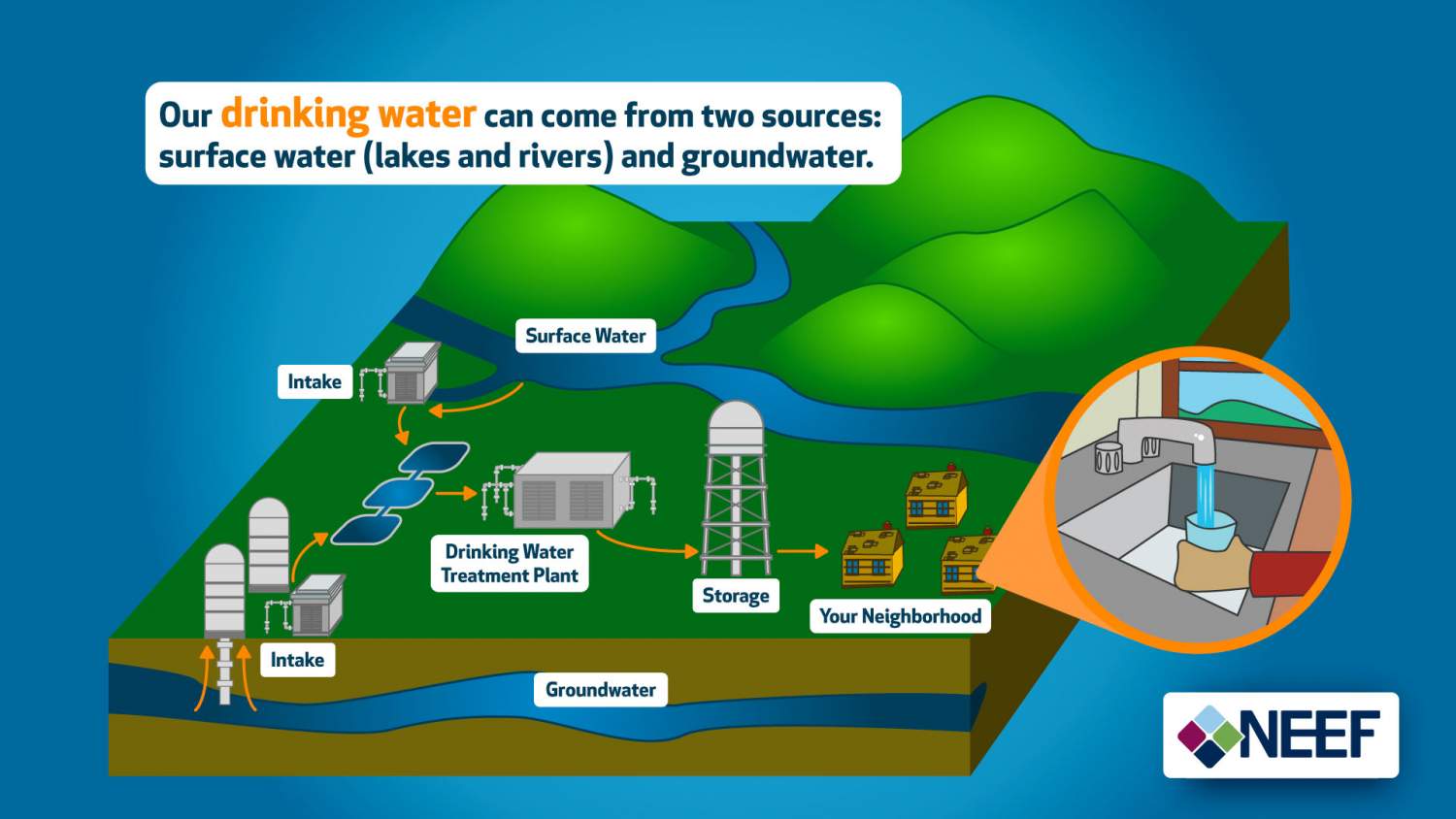 Diagram Of Why We Should Drink Water Importance Water Stock
Some groundwater is so old it fell as rain before the Pyramids were built. I’m not joking. That’s a sip of the past, with zero fossil fuels included. How’s that for a conversation starter at dinner?
We tap into this treasure using wells—deep holes drilled into the earth. And because the soil cleans it naturally, groundwater often requires less treatment than surface water. It’s practically nature’s bottled water, but way cheaper and with less plastic.
Why This Makes Life More Fun
Knowing these two sources turns a boring chore into a mental game. Fill your glass and ask yourself: “Is this river-born or aquifer-ancient?” You won’t always know, but the guessing game makes you appreciate the invisible teamwork happening behind the scenes.
Plus, you’ll start noticing things. That puddle after a storm? It’s surface water waiting for a ride. The fog on your morning walk? That’s future groundwater, soaking into the grass. Suddenly, the whole planet feels like one big, friendly water delivery system.
An Uplifting Note to Send You Off
Here’s the best part: every glass of water connects you to the Earth’s rhythm. Whether your water tumbled down a mountain or filtered through ancient rock, it’s a gift that keeps giving. You don’t need to be a scientist to feel that magic—you just need to pause and drink.
So next time you’re thirsty, take a moment. Smile at your glass. You’re not just hydrating; you’re participating in a story that’s been running for billions of years. That’s pretty inspiring, right? Go ahead—look up your local water source today. You’ll never take a sip for granted again.
