Difference Between Pure Water And Distilled Water

So, you’re standing in the grocery aisle, staring at a bottle of “purified” water and another that says “distilled.” They look the same, right? Clear, boring, and… just wet. B...
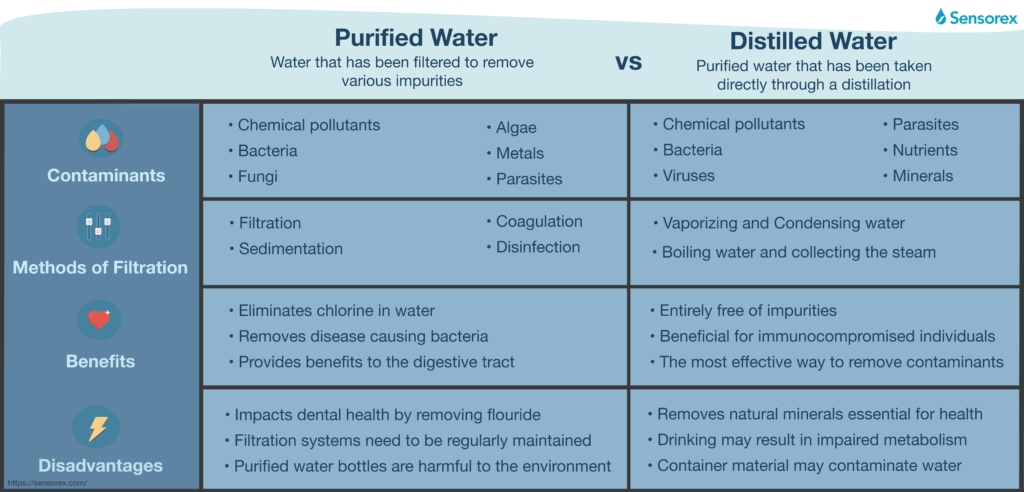
So, you’re standing in the grocery aisle, staring at a bottle of “purified” water and another that says “distilled.” They look the same, right? Clear, boring, and… just wet. But are they really the same thing? Let’s dive in—no science degree required, I promise.
What exactly is pure water?
First off, “pure water” is a bit of a marketing chameleon. In the store, it usually means water that’s been filtered or treated to remove some impurities, like chlorine, sediment, or bad tastes.
Think of it like a smoothie that’s been strained through a fine mesh—it’s smoother, but not all the tiny seeds are gone. Purified water is great for drinking, but it still hangs onto some minerals and tiny dissolved solids, like calcium or magnesium.
Must Read
Now, distilled water is a whole different beast.
Distilled water goes through a process that’s basically a science experiment you could try at home (but probably shouldn’t). It’s boiled into steam, then the steam is captured and cooled back into liquid.
This means everything that isn’t water—minerals, bacteria, even some funky chemicals—gets left behind. It’s like the water equivalent of a golden ticket—only the pure, naked H₂O molecules survive.
So, is distilled water the “purest” of the pure? Yep, it’s absurdly pure. But here’s where it gets interesting—and a little weird.
Why you probably shouldn’t guzzle distilled water every day.
Here’s the twist: drinking only distilled water is like eating a salad with zero dressing—it’s technically food, but your body misses the good stuff. Our bodies actually need tiny amounts of minerals (like electrolytes) from water.
Distilled water is so eager to be pure that it can actually pull minerals out of your body when you drink it. Crazy, right? It’s like a clingy friend who steals your snacks.
Meanwhile, “pure” filtered water usually keeps those friendly minerals in, making it a much better sip for your daily hydration.
But here’s where distilled water shines.
Think of distilled water as the lab coat of the water world. It’s perfect for things where nothing else should interfere. Like in a steam iron—distilled water won’t leave white, crusty mineral deposits on your favorite shirt.
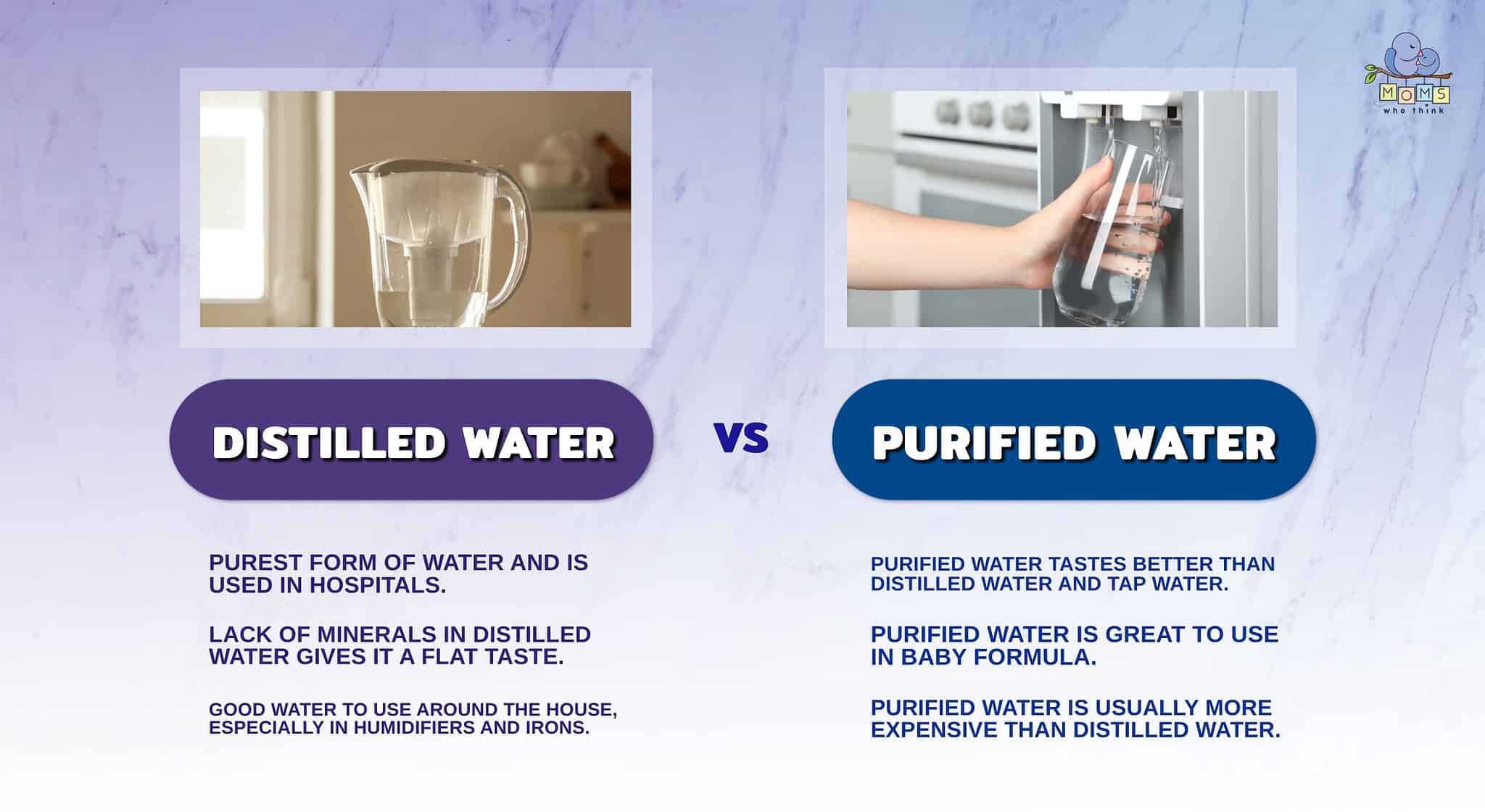 Distilled vs. Purified Water: 4 Differences & Health Benefits
It’s also a hero for car batteries, aquariums for sensitive fish, and even CPAP machines that need zero buildup. In these jobs, you want water that’s a little boring and sterile.
So, if you’re making a cup of coffee or tea—go for purified water. It gives you a clean taste without stripping away the flavors. Distilled water? It’s like drinking a silent room; it makes your coffee taste a bit flat.
Fun comparison time: Pure vs. Distilled.
Let’s get silly. Imagine pure water is a friendly golden retriever—warm, helpful, and keeps you company with some minerals. Distilled water is a quiet, high-tech robot—super precise, but zero personality.
Or think of it like a pizza. Pure water is a classic cheese pizza—familiar, satisfying, and has all the basic good stuff. Distilled water is a plain, naked crust—technically pizza, but you wouldn’t serve it at a party.
So, which one should you buy?
If you’re just filling your water bottle for the gym or the couch, grab the purified water. Your body will thank you for the subtle mineral hug.
If you’re trying to keep your humidifier or iron from turning into a chalky mess, distilled is your best buddy. It’s the water that minds its own business.
Here’s the bottom line: both are clean, but they have different jobs. One is for drinking and living your best life. The other is for machines and science projects. Pretty cool, huh? Who knew water could have such a split personality?
Next time you see those two bottles, you’ll know the secret. And maybe you’ll feel a little smarter—or at least thirstier for a fun fact to share with a friend. Cheers to that.
