Do Refrigerator Water Filters Remove Microplastics

So, you’ve finally decided to drink more water. Good for you! But then a thought creeps in, probably while you’re staring at your fridge: “Hey, are those tiny plastic ghosts f...
So, you’ve finally decided to drink more water. Good for you! But then a thought creeps in, probably while you’re staring at your fridge: “Hey, are those tiny plastic ghosts floating in my glass?”
Welcome to the world of microplastics. These little guys are everywhere—in the ocean, in your sea salt, and yes, probably in your tap water. They’re like that one friend who shows up uninvited and never leaves.
First, What Even Are Microplastics?
Microplastics are tiny plastic particles, smaller than a sesame seed. They come from everything breaking down: water bottles, synthetic clothes, and even car tires.
Must Read
Scientists are still figuring out if they’re bad for you. But let’s be honest, drinking a side of plastic dust with your morning coffee doesn’t scream “healthy lifestyle.”
Your Fridge Filter: The Unsung Hero or a Weakling?
Most fridge filters are built to remove chlorine, bad tastes, and big particles like silt. They do a great job making your water taste less like a swimming pool.
But microplastics? That’s a whole different ballgame. These particles are often tiny, measuring just 1 micron or smaller. A standard fridge filter usually traps things down to about 5 to 10 microns.
Think of it like a fishing net. Your filter is perfect for catching tuna (read: rust flakes), but those tiny plastic plankton just swim right on through.
So, The Short Answer Is…
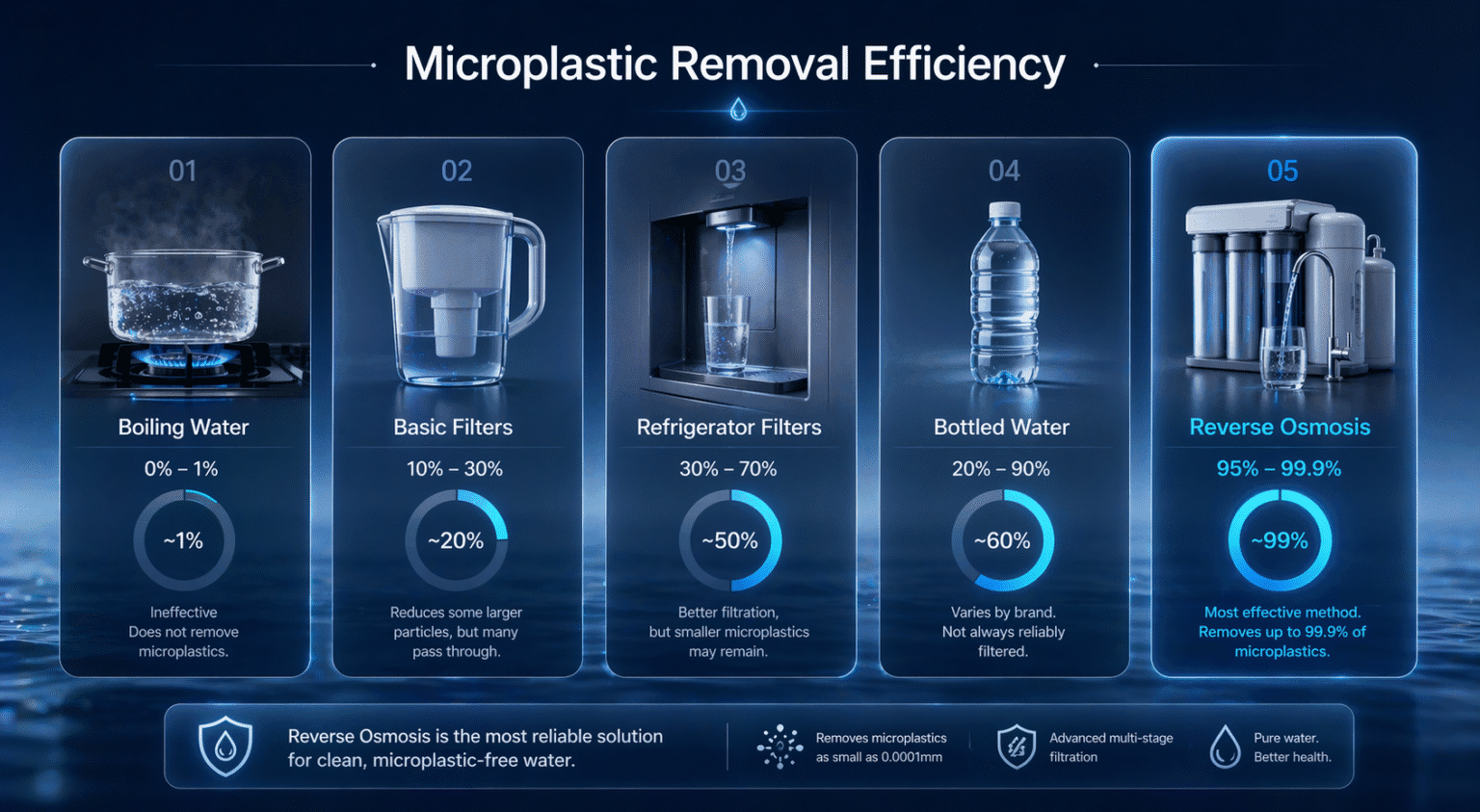
Nope. Most standard refrigerator water filters do not remove microplastics. I know, I know—it’s a bit of a buzzkill.
Some premium filters claim they can, but they have to be specifically certified for it (look for NSF/ANSI 53 or P473). If your filter is just a basic carbon block, you’re basically giving the plastics a free ride to your glass.
One study from the University of Arizona even found that more microplastics can leach from the water line inside your fridge. You think you’re getting pure water, but really, you’re getting a bonus plastic appetizer.
But Wait—Does It Even Matter?
Here’s the good news (because I’m not a total downer). The human body is actually pretty good at passing microplastics through. Most of them just exit… let’s call it the “natural way.”
Also, the concentration in typical tap water is low. You’d have to drink a bathtub’s worth of unfiltered water every day to cause alarm. And if you’re doing that, we have bigger issues to discuss.
 Water Filter for Microplastics: RO Buyer’s Guide – Frizzlife
So while your fridge filter isn’t a plastic-busting superhero, it’s still doing important work. It’s keeping out lead, mercury, and that weird “fridge taste” that comes from last week’s leftover fish.
What You Can Do If You’re Really Freaked Out
If you want to go full plastic-police, invest in a reverse osmosis system under your sink. Those beasts can remove up to 99% of microplastics. They’re like the Navy SEALs of water filtration.
Or, buy a water filter pitcher that is specifically certified for microplastics (like a ZeroWater or a solid carbon block filter). Just double-check the packaging before you buy.
And for goodness’ sake, ditch the plastic water bottles. They’re the main culprit. Use a stainless steel or glass bottle instead. Your future self will thank you.
The Fun (But Honest) Conclusion
So, do fridge water filters remove microplastics? Usually no. But that’s okay! You don’t need to panic.
Your fridge filter is still a loyal friend—just not for this specific job. It’s like asking your cat to fetch the newspaper. It could, in theory, but it won’t, and you love it anyway.
Here’s the uplifting part: You are resilient. Your body knows how to deal with tiny stuff. You wash your hands, you eat your veggies, and you’re already smart enough to care about what’s in your water. That’s more than most people do.
So take a sip from your filtered fridge water, smile at the tiny plastic particles you’re probably not even consuming in meaningful amounts, and remember: you’re doing great. And if all else fails, just pour it into a fancy glass and pretend it’s fancy mineral water from the Alps.
Stay hydrated, stay happy, and don’t let the microplastics get you down. They’re tiny. You’re huge. You win.
