The Difference Between Distilled And Purified Water

Let’s be honest, most of us don’t spend a lot of time thinking about water. We just grab a glass, fill it up from the tap, or snag a bottle from the fridge when we’re thirsty....
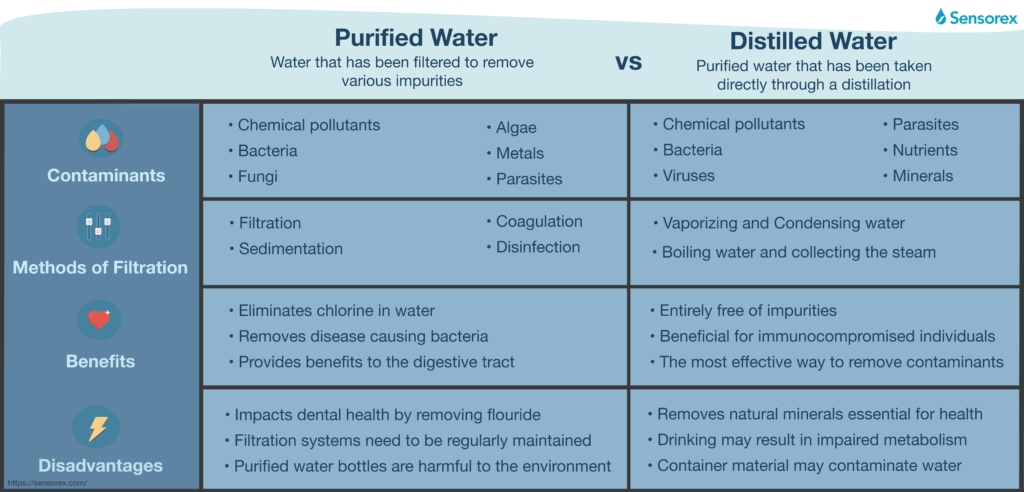
Let’s be honest, most of us don’t spend a lot of time thinking about water. We just grab a glass, fill it up from the tap, or snag a bottle from the fridge when we’re thirsty. But have you ever stood in the grocery aisle, staring at two different jugs, and wondered, “What’s the real difference between distilled and purified water?” It’s a fair question, and the answer is both simpler and more interesting than you might think.
The Tale of Two Waters
Picture your tap water as a big, bustling city. It has essential stuff in it, like minerals, but it also picks up some unwelcome guests along the way, like chlorine, sediment, and tiny bacteria. Both distilled and purified water are just different ways of cleaning up that city.
The main difference is the method they use to kick out the unwanted visitors. Think of it like choosing between two very thorough housecleaners. One uses a fancy steam mop, and the other uses a high-tech filter system. Both leave the place spotless, but they work a little differently.
Must Read
Distilled Water: The Steamy Drama Queen
Distilled water is the result of a process that feels a bit like a science experiment from a 7th-grade class. You boil the water until it turns into steam, catch that steam, and then cool it back down into liquid. It’s like the water is evaporating on a hot summer day, leaving all its baggage behind.
Because you’re leaving the impurities behind in the boiling chamber, the water that drips out is incredibly pure. It’s so pure that it’s a little bit of a blank canvas. It has nothing in it—no minerals, no taste, no anything. It’s the plain toast of the water world.
You’ll often find distilled water used in things like your iron or your car’s battery. That’s because those gadgets hate mineral buildup. But for drinking? It works, but it can feel a bit flat. Imagine making your morning coffee with it—it just doesn't have the same zing as water with a few natural minerals in it.
Purified Water: The Filtration Overachiever
Purified water, on the other hand, is a whole family of cleaning methods. It’s not one single process, but any water that has had its impurities removed to a very high standard. This can include reverse osmosis, carbon filtration, or UV light treatment. It’s like having a security team for your H2O, using different tools to handle different troublemakers.
Reverse osmosis is the most common method you’ll see on a water bottle label. It pushes the water through a super-fine membrane that catches almost everything. This process keeps some of the good stuff, like natural minerals (calcium and magnesium), while kicking out the chlorine and other yucky stuff.
The result? Water that tastes clean, fresh, and crisp. It’s the water you actually want to drink. It’s like the difference between a brand new white t-shirt and a t-shirt that’s just been deep-cleaned. Both are clean, but one feels a bit more lively.
 Distilled vs. Purified Water: What’s the Difference? – Waterdrop Europe
So, Which One Should You Drink?
Here’s the fun part: for your everyday thirst, purified water is usually the winner. It’s like the reliable friend who’s always pleasant to be around. It tastes good, it’s safe, and it still has a touch of life from those natural minerals. Most bottled waters labeled “purified” or “drinking water” fall into this category.
Distilled water is a specialist. It’s fantastic for your coffee maker (no scale buildup!), for filling a humidifier, or for making baby formula if your doctor recommends it. But for just chugging a glass after a workout? It can feel a little meh. Your body actually needs those trace minerals, so drinking gallons of distilled water all the time isn’t usually recommended.
A Little Story to Make it Stick
Think about your favourite pot of soup. Tap water is like the broth from the store—it’s fine, but it could be better. Purified water is like a homemade broth you’ve simmered and skimmed; it’s clear, tasty, and nourishing. Distilled water is like that same broth run through a cheesecloth and then through a coffee filter five times. It’s absolutely clear, but it has no flavour at all.
That’s not a bad thing! You wouldn’t put filter-through-coffee broth in a pot of chili, but you might use it for a delicate consommé. Similarly, you want purified water for daily drinking and cooking, and distilled water for your special gear and appliances.
The Good News
The best news is that both are safe, clean, and far better than drinking water from a questionable source. You really can’t go wrong with either one. The choice just comes down to what you’re using it for. If you’re just thirsty, grab the purified. If you’re filling your steamer, grab the distilled. Simple as that.
So next time you’re in the aisle, you can confidently pick a bottle and feel like a water expert. And honestly, that’s a pretty cool party trick. Who knew a simple glass of water could tell such a different story?
