Reverse Osmosis Water Purification Systems For Home

Ever taken a sip of tap water and thought, Hmm, that’s a little... off? You’re not alone. Reverse osmosis (RO) systems are like tiny water factories for your kitchen, and they...
Ever taken a sip of tap water and thought, Hmm, that’s a little... off? You’re not alone. Reverse osmosis (RO) systems are like tiny water factories for your kitchen, and they’re way cooler than you might think. Let’s dive in without the science jargon, just the good stuff.
So, What Exactly Is Reverse Osmosis?
Imagine a really, really picky bouncer at a club. This bouncer only lets the tiniest, most harmless molecules through the door. That’s basically what a reverse osmosis membrane does for your water. It pushes water through a super-fine filter, and everything bigger than a water molecule—like lead, chlorine, and even some bacteria—gets kicked to the curb.
It’s not magic, but it feels like it when you taste the result. The process uses household water pressure to do the heavy lifting, so no batteries or fancy pumps needed.
Must Read
Why Your Coffee and Ice Cubes Will Thank You
Here’s where it gets fun: the taste. Have you ever noticed your morning coffee tastes a bit flat or slightly metallic? That’s likely from minerals and chemicals in your tap water. RO water is blank canvas water. It’s so pure that your coffee beans, tea leaves, or even simple lemonade get to shine without any weird background notes.
And ice cubes? Oh man, RO ice cubes are crystal clear and don’t leave that funky white residue in your glass. It’s the same reason expensive cocktails always taste better—they use filtered water. Your home bar just got an upgrade.
The "Wait, Is That Wasteful?" Part
Okay, real talk: RO systems do produce some wastewater. For every gallon of clean water, they might send a couple of gallons down the drain. That sounds bad, right? But compare it to the plastic waste from bottled water—those bottles take centuries to decompose—and the equation shifts. Plus, newer systems are getting much more efficient. Some models now waste less than a gallon per gallon of clean water.
Think of it like washing a car: sure, you use some water, but you end up with a sparkling result. You can even repurpose the "waste" water for watering your garden or mopping floors. It’s not dirty, just slightly more concentrated. Win-win.
What’s in the Box? A Little Team of Filters
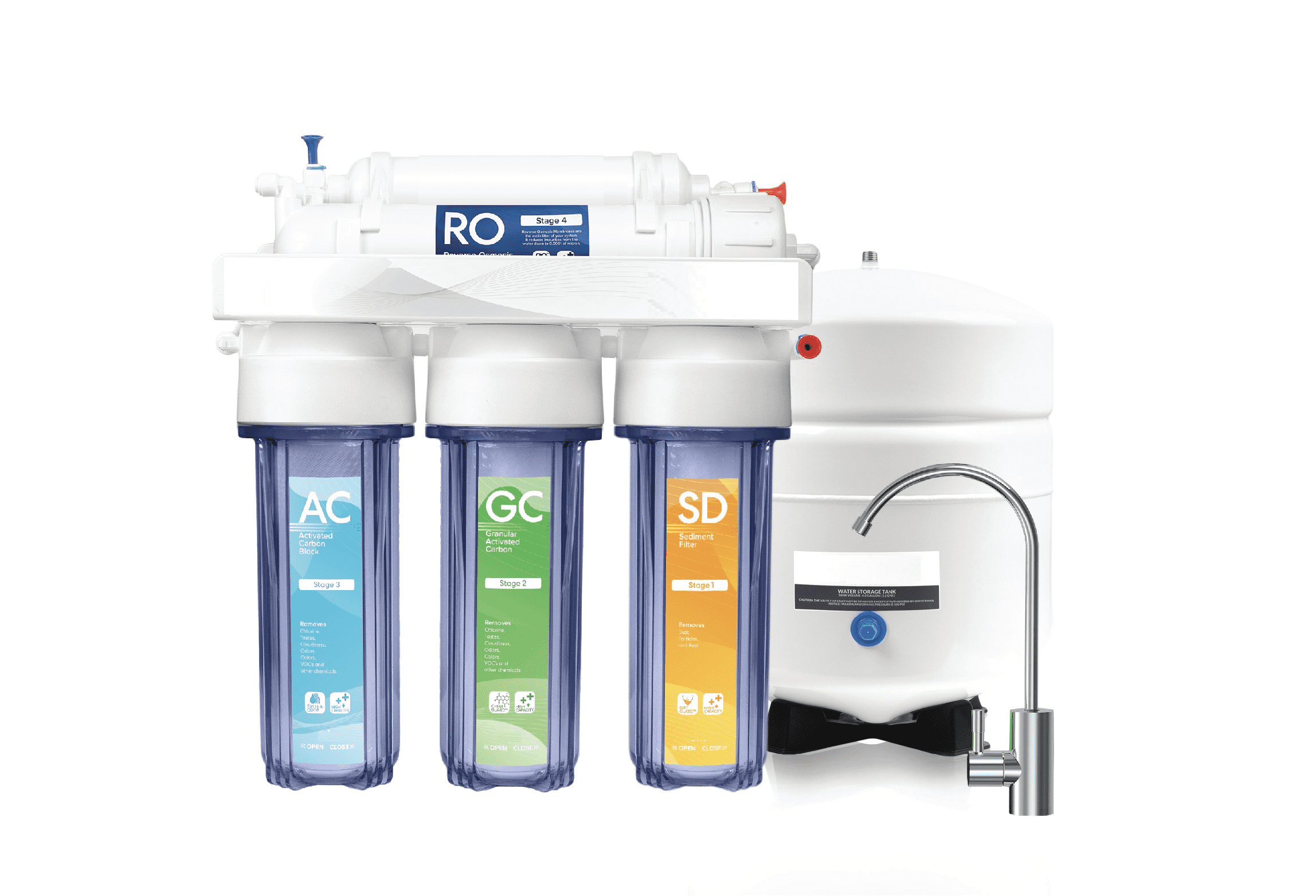
A typical home RO system isn’t just one filter; it’s a multi-stage dream team. First, a sediment filter catches sand and rust—the big stuff. Then a carbon filter grabs chlorine and bad tastes. Finally, the RO membrane does the celebrity bouncer work. Some systems even add a final polishing filter or a remineralization cartridge at the end.
Why remineralize? Because some folks miss the minerals from spring water. You can actually choose to add back a pinch of calcium or magnesium for taste. It’s like ordering your water "on the rocks" but with extra control.
The "Install It Yourself?" Question
Are you handy with a wrench? If you’ve ever installed a faucet or a water line to a fridge, you can probably handle a basic under-sink RO system. Most kits come with color-coded tubing and clear instructions. But if your plumbing is a knotty mess, call a pro—it’s not worth a flood.
 Residential Service - The Water Doctor of South Florida - 💧
The real kicker? Once it’s installed, it’s basically maintenance-free for months. You just swap out a filter or two every six months to a year. It’s like changing the oil in your car, but way easier and without greasy hands.
Is It Worth the Hype?
If you live in an area with hard water, old pipes, or a weird "pool water" taste, then yes—absolutely. You’re not just buying cleaner water; you’re buying peace of mind. No more lugging giant plastic jugs from the store. No more wondering if your tap is safe for kids or pets.
Even if your tap water is decent, RO water can still be a treat. It’s like the difference between a basic streaming video and 4K HDR. You didn’t know you needed it until you see—or taste—the difference.
A Few Fun Comparisons to Keep You Smiling
Think of reverse osmosis as the Swiss Army knife of home water filters. It doesn’t just remove one thing; it removes a whole menu of unwanted stuff. It’s also a bit like having a mini desalination plant under your sink—except instead of turning ocean water into drinking water, it turns municipal tap water into boutique bottle-level H2O.
And remember those fancy alkaline water machines at the health store? An RO system can do that too, with added mineral cartridges. It’s basically a water playground, and you’re the mayor.
The Bottom Line (No Pressure)
You don’t have to be a science nerd to appreciate a great glass of water. Reverse osmosis is simple, effective, and honestly a little fascinating. Whether you’re aiming for better health, better taste, or just less plastic waste, it’s a solid choice.
So, next time you fill up your glass, ask yourself: Could this taste a little more like mountain spring water? If the answer is yes, maybe it’s time to give reverse osmosis a shot. Your taste buds—and your coffee—will send a thank-you note.
