Whole House Water Filtration System Reverse Osmosis

So, picture this: I’m standing in my kitchen, pouring a glass of tap water, and it smells like a swimming pool threw up in a public restroom. Not exactly the refreshing hydrat...

So, picture this: I’m standing in my kitchen, pouring a glass of tap water, and it smells like a swimming pool threw up in a public restroom. Not exactly the refreshing hydration I was hoping for, right? That’s when I started down the rabbit hole of water filters—and let me tell you, it’s a deep, deep hole. But at the bottom of that hole? A whole house water filtration system combined with reverse osmosis.
Here’s the thing: I never realized how much of my home’s water was a chemical cocktail until I did the sniff test. Tap water can carry chlorine, sediment, heavy metals, and even microplastics—yum. That’s where a whole house system comes in: it treats every drop coming into your home, not just the stuff you drink.
So, what’s the big deal about whole house reverse osmosis?
First, let’s clear up a common mix-up. A whole house reverse osmosis system isn’t just a fancy water filter under your sink—it’s a beast that processes water for your showers, sinks, washing machine, and even your toilet. Imagine your water supply getting a deep, thorough cleanse before it touches anything in your house. That’s the dream, right?
Must Read
But here’s a little irony for you: reverse osmosis (RO) is insanely good at removing contaminants, but it’s also ridiculously slow—like, molasses-in-January slow. That’s why most whole house RO systems include a big storage tank and a booster pump to keep the water flowing. Without that, you’d be waiting all day to fill a glass. Not exactly convenient when you’re hangry and need a drink.
The nitty-gritty: what does it actually remove?
Reverse osmosis works by shoving water through a semi-permeable membrane that only lets H2O molecules pass through. That means it kicks out everything else: lead, arsenic, fluoride, chloride, pesticides, and even some bacteria. It’s like a bouncer at a club, but for your water—only the VIPs get in.
However, don’t expect it to fix every problem. RO systems usually miss volatile organic chemicals (VOCs) and dissolved gases, so you might still get that weird smell from sulfides. That’s why many whole house setups pair RO with activated carbon filters—a tag team that covers the bases. Talk about a water superhero duo.
Why go whole house instead of just a pitcher?
Okay, honest moment: I used to think those countertop filters were enough. Then I showered in water that left my skin dry and my hair feeling like straw—and I realized your skin absorbs more water than your mouth does. Yeah, let that sink in. A whole house system protects your plumbing, your appliances, and your body from the inside out.
Plus, think about your washing machine. Hard water and chlorine are basically enemies of your clothes—they fade colors and wear out fabrics. With a whole house RO system, you’re also protecting that expensive white shirt you just bought. Your wallet will thank you later.
The not-so-fun part: costs and maintenance
Let’s be real—this isn’t cheap. A decent whole house RO system can run you anywhere from $1,500 to $5,000, not counting installation. And the upkeep? You’ll need to replace filters every 6–12 months and the membrane every 2–3 years. It’s like owning a pet that eats money and burps clean water. But, if you’re dealing with terrible tap water like I was, it’s worth every penny.
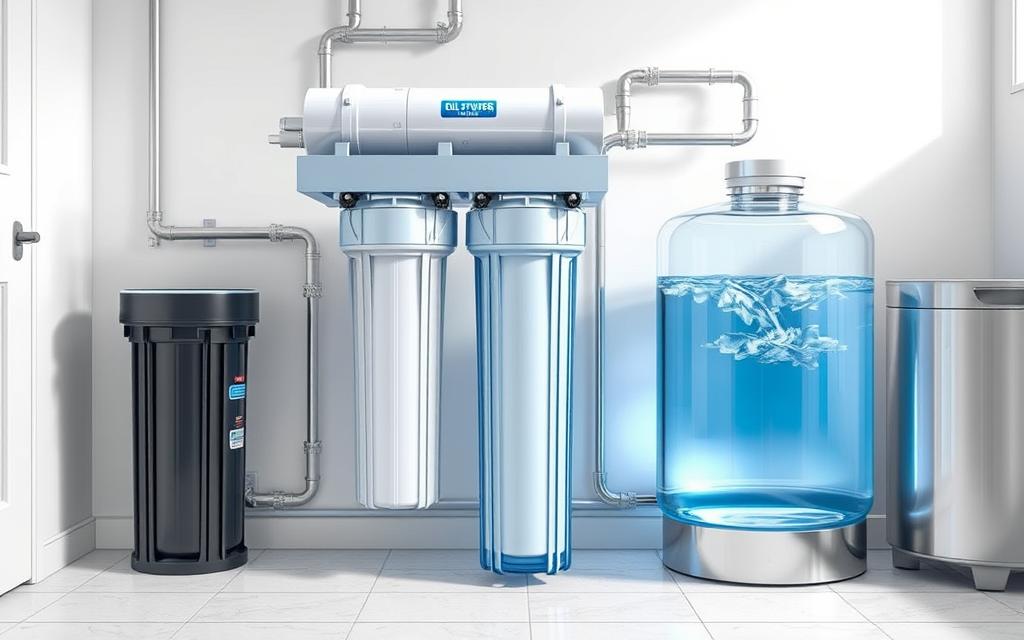 Best Whole House Reverse Osmosis Water Filter Guide
Another drawback: water waste. Reverse osmosis typically wastes about 3–4 gallons for every gallon it purifies—yikes. But newer “high-efficiency” models cut that waste down to around 1:1, so do your homework before buying. Also, check if your local water pressure is high enough, or you’ll need a pump.
Is it overkill? Maybe. But also, maybe not.
Look, if you live in a city with decent municipal water, a whole house RO system might be like using a flamethrower to light a candle. But for people on well water, or in areas with known contamination (looking at you, Flint), it’s a game-changer. I live in an old house with copper pipes that are probably older than my grandma—so yeah, I need the heavy artillery.
Here’s a little tip from my own experience: test your water first. You can buy a cheap kit online or call your local utility. That way, you know exactly what you’re fighting—and whether a whole house RO is the right weapon. Don’t just buy one because your neighbor’s cousin’s dog recommended it.
The secret hidden perk: better coffee and tea
Okay, this is my favorite part. With RO water, your morning coffee tastes cleaner—no weird metallic aftertaste. And tea? It doesn’t get that cloudy film from calcium deposits. Honestly, it turns you into a water snob, and I’m not sorry about it. You’ll start side-eyeing restaurant ice water like, “Really, you think this is acceptable?”
So, is a whole house reverse osmosis system for everyone? Nah. But if you’re tired of bottled water, skeptical of your tap, and ready to treat your home like the fortress it deserves to be—this might be your next splurge. Just don’t forget to stock up on filters and maybe buy a bigger tank. And hey, if your water smells like chlorine, you know who to call. (Hint: not Ghostbusters.)
Now go hydrate, you beautiful water connoisseur.
