Anatomy Of Large Water Tank And Operating Essentials

So, you’re looking at a giant water tank. Maybe it’s looming at the end of your street or sitting in your factory. Let’s chat about what’s going on inside that metal monster....
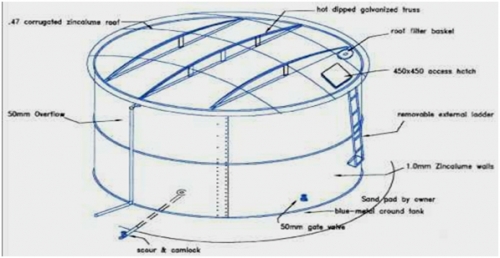
So, you’re looking at a giant water tank. Maybe it’s looming at the end of your street or sitting in your factory. Let’s chat about what’s going on inside that metal monster. Trust me, it’s way more interesting than it sounds.
The Big Metal Belly
First, let’s talk about the tank itself. It’s basically a colossal bucket. But unlike your kitchen sink, this thing has to hold tons of pressure.
The walls are usually made of steel or concrete. Steel is the rockstar—light, strong, and can be welded into fun shapes. Concrete is the grumpy workhorse, cheaper but ridiculously heavy. Pick your fighter.
Must Read
Look for the roof. It’s not just for keeping out leaves. Some roofs float right on the water, like a giant, sad pancake. Others are domed and fixed, giving the tank a noble, knight-helmet look.
The Critical Insides
Now, let’s peek inside. You can’t, of course, because it’s dark and wet. But imagine the inlet and outlet pipes. The inlet brings water in from the top or bottom. The outlet sucks it out for your shower.
There’s also a overflow pipe. It’s the tank’s “safety scream.” If the water gets too high, it just dumps it out. Rude, but necessary.
And don’t forget the manhole. That’s the tiny door for a brave (or crazy) person to squeeze through. Ever seen a person clean a tank? It’s a horror movie. You’ve been warned.
Operating Essentials: Don’t Break It
So, you have this massive tank. How do you run it without making a mess? You need to know the three golden rules.
First: Fill it slowly. Seriously. Dumping water in too fast is like dropping a bomb in a bathtub. You get hydraulic shock, which can crack the walls. Go slow, friend.
Second: Keep it clean. Water gets nasty. Algae loves a sunny tank. Bacteria loves a dark one. You need filters and chlorine to keep things fresh. Nobody wants swamp water in their coffee.
Third: Check the pressure. Water tanks rely on gravity or pumps. If the air gap or pressure gauge goes wonky, you’ll get a trickle instead of a firehose. Test it monthly. Yes, monthly.
Maintenance: The Unsexy Truth
Let’s be real: tanks are lazy. They just sit there. But they need love. You have to drain and inspect them every few years. Guess what you find? Dead bugs, rust flakes, and slime. Yum.
 The Anatomy of GRP Panel Water Tanks: A Comprehensive Guide
The interior coating is your best friend. Most tanks have an epoxy lining to stop rust. If that lining chips, your water turns into a rusty soup. Check it like you check your teeth—often, and with a flashlight.
Don’t forget the valves. Those little handles control everything. A seized valve means you can’t stop a flood. That’s a bad day. Grease them yearly.
Real Talk: Size and Location
Why are tanks so big? Because reserve. A tank holds enough water for when the pump breaks or the fire department shows up. A standard municipal tank holds millions of gallons. Imagine a swimming pool for dinosaurs.
Why are they on hills? Gravity, baby. It pushes the water without a pump. That’s why water towers look so majestic. They’re just giant, enthusiastic plumbers.
If you put a tank in your backyard, size matters. A 500-gallon tank is cute. A 10,000-gallon tank is a neighbor feud waiting to happen. Measure your space twice, buy once.
Fun Warnings (Because Safety is Funny)
Never weld on an empty tank. The fumes can explode. Seriously, don’t be that person who makes the evening news as “the BBQ guy.”
And please, lock the lid. Kids, cats, and raccoons love a good water tank adventure. A drowned raccoon in your drinking water? Not a great conversation starter at dinner parties.
Finally, respect the temperature. In winter, water freezes and expands. It can crack steel like an egg. Insulate it or drain it. Your choice: cozy water or a frozen disaster.
So, that’s the anatomy of a big water tank. It’s a simple, dumb container that keeps civilization from turning into a desert. Treat it with respect, check its valves, and never, ever ignore that funny smell. You’re now officially a tank nerd. Welcome to the club. Drink up.
