Is Sparkling Water Just As Hydrating As Regular Water

You’ve probably stood in the grocery aisle, hand hovering between a sleek can of sparkling water and a trusty bottle of still. It’s the ultimate hydration debate, and it feels...
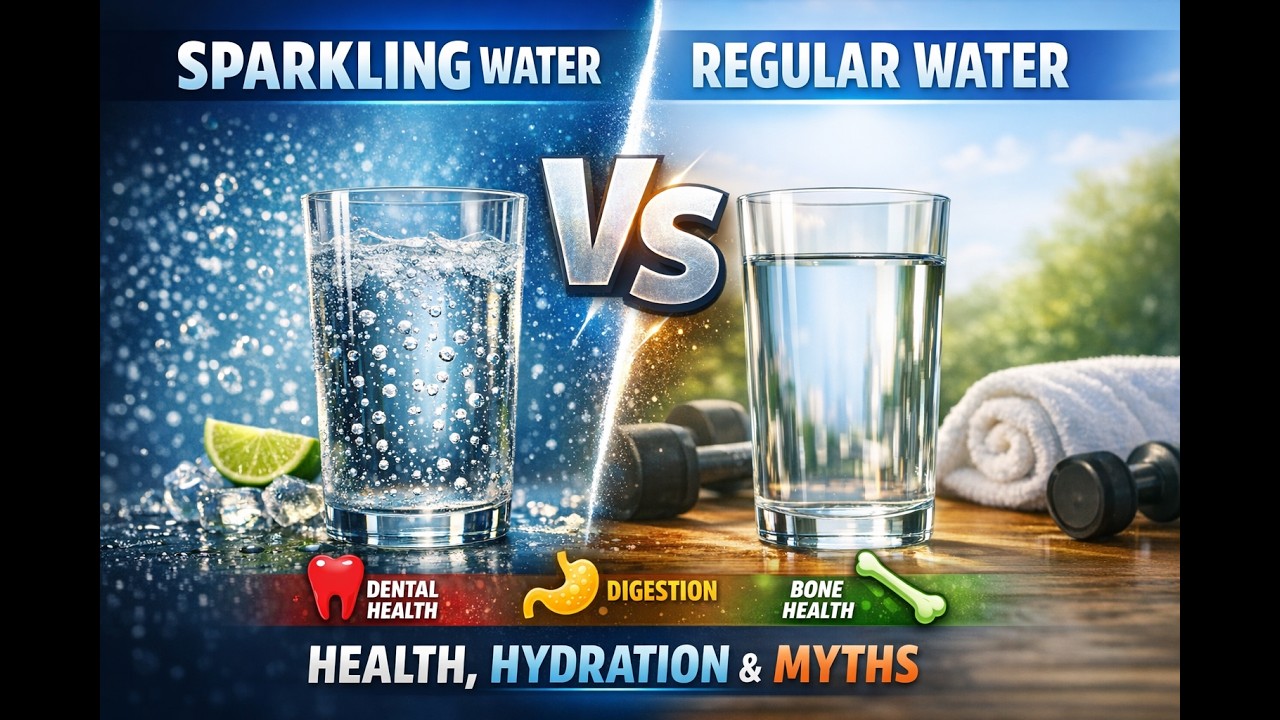
You’ve probably stood in the grocery aisle, hand hovering between a sleek can of sparkling water and a trusty bottle of still. It’s the ultimate hydration debate, and it feels almost personal. We all know water is life, but does the fizz count? Let’s settle this once and for all, with a glass of bubbles in hand.
The Science of Seltzer vs. Still
First, the good news for your bubbly obsession: sparkling water is just as hydrating as regular water. Studies show that the body absorbs carbonated water with the same efficiency as its flat counterpart. The key is the water content itself—both are H₂O at the core.
That satisfying pop of carbonation comes from dissolved CO₂ gas, which doesn’t affect hydration at all. Your kidneys and cells process it identically. So if you’re chugging a LaCroix or a San Pellegrino, your body says, “Thank you, same same.”
Must Read
But here’s the twist: some people find that carbonation can cause mild bloating or gas. It’s not a hydration issue, but a comfort one. If you’re doing a sweaty workout or need to chug quickly, still water might feel easier on the stomach.
The Flavor Factor and Your Drinking Habits
The real secret weapon of sparkling water is that it makes hydration fun. Many of us drink more total fluids when there’s a little zing involved. A 2017 study in the Journal of Nutrition found that people who prefer flavored or carbonated drinks tend to consume more water overall.
Think of it as the gateway beverage to better habits. If you’re replacing a soda with a fizzy water, you’re winning. Just watch out for the “sparkling water” that’s secretly loaded with sugar or artificial sweeteners—those don’t count as pure hydration.
Here’s a practical tip: keep a bottle of plain still water on your desk for sipping, and treat sparkling as a delightful interlude. It’s like the aperitif of hydration—ceremonial, refreshing, and meant to be savored.
What About the Myths? (Bubbles and Bones)
You might have heard that carbonated water is bad for your teeth or bones. Let’s bust that. Sparkling water is nowhere near as acidic as soda (think pH 4-5 vs. soda’s pH 2-3). While it’s mildly more acidic than still water, it does not erode enamel unless you’re swishing it for hours.
As for bones, the myth comes from old studies on cola, not plain sparkling water. Carbonation alone does not leach calcium. Your skeleton is safe. Go ahead and fizz without fear.
Fun little fact: the first commercially produced sparkling water was invented by Joseph Priestley in 1767, the same guy who discovered oxygen. He called it “soda water,” and it was originally sold as a health tonic. Now it’s your everyday happy hour substitute.
Practical Tips for Maximum Hydration Flow
Want to make sparkling water work for you? Pair it with meals—the acidity can stimulate digestion and make you feel full, which is great for portion control. Just don’t rely on it for post-run recovery; your body absorbs still water slightly faster when you’re dehydrated.
Add a pinch of sea salt or a squeeze of lemon to your sparkling water during exercise. This mimics the electrolyte profile of sports drinks without the sugar. It’s a hack that feels like a cocktail but fuels like science.
 Is Sparkling Water Ok For Hydration at Harry Christison blog
Another trick: use sparkling water as a mixer with herbal teas or fruit infusions. Drop in frozen berries or mint leaves. The bubbles lift the flavors, making you drink more without even noticing. Hydration becomes a sensory experience.
The Cultural Fizz: From Paris to Your Kitchen
In many parts of the world, sparkling water is the default. In France, a carafe of Perrier is as common as coffee. In Italy, they serve gassata with lunch and dinner, believing it aids digestion. Americans, meanwhile, are still debating whether the “sparkling” aisle is a luxury or a necessity.
There’s a cultural cool factor here. Drinking sparkling water signals a certain joie de vivre—a little treat. It’s the drink of minimalist aesthetic Instagram feeds and weekend brunches. But don’t let the hype fool you: it’s still just water wearing a fancy hat.
And here’s a modern twist: the rise of “sparkling water bars” in cities like Tokyo and Los Angeles, where you can get customized carbonation levels and infusions. It’s hydration as a lifestyle, and honestly, that’s a great trend.
One Small Caveat on Electrolytes
If you’re an athlete or spending hours in the heat, plain sparkling water may not cut it. Carbonation can slightly suppress thirst thresholds for some people, meaning you might not feel as compelled to drink. Still water is the MVP for heavy sweat.
That said, for 95% of daily life—sitting at a desk, walking the dog, Sunday reading—sparkling is a perfect stand-in. Your body doesn’t know the difference; it only knows if you’re hydrated. So drink what makes you happy.
A quick medical note: if you have IBS or acid reflux, sparkling water might aggravate symptoms. Listen to your gut—literally. Otherwise, let the bubbles flow.
A Final Glass to Daily Life
So as you reach for that frosty can of lime sparkling water, know that you’re doing your body a solid. You’re hydrated, you’re fancy, and you’re one step closer to your daily fluid goals. The only real difference is the joy of the fizz.
Reflection time: hydration isn’t just about biology—it’s about ritual. The clink of a glass, the sharp release of carbonation, the little pause in your afternoon. Sparkling water turns a mundane act into a moment. And if that moment helps you drink more water, it’s not just as hydrating—it’s better.
Cheers to that. Now go pour yourself a glass, still or bubbly, and feel the refreshment settle in. Your body doesn’t argue. It just says, “Thanks.”
