Catalytic Carbon Filter Media Quality Water Treatment

Ever wonder what’s actually in your tap water? It’s a bit of a mystery, right? Sure, it looks clear, but there’s a whole invisible world of stuff swimming around in there. The...
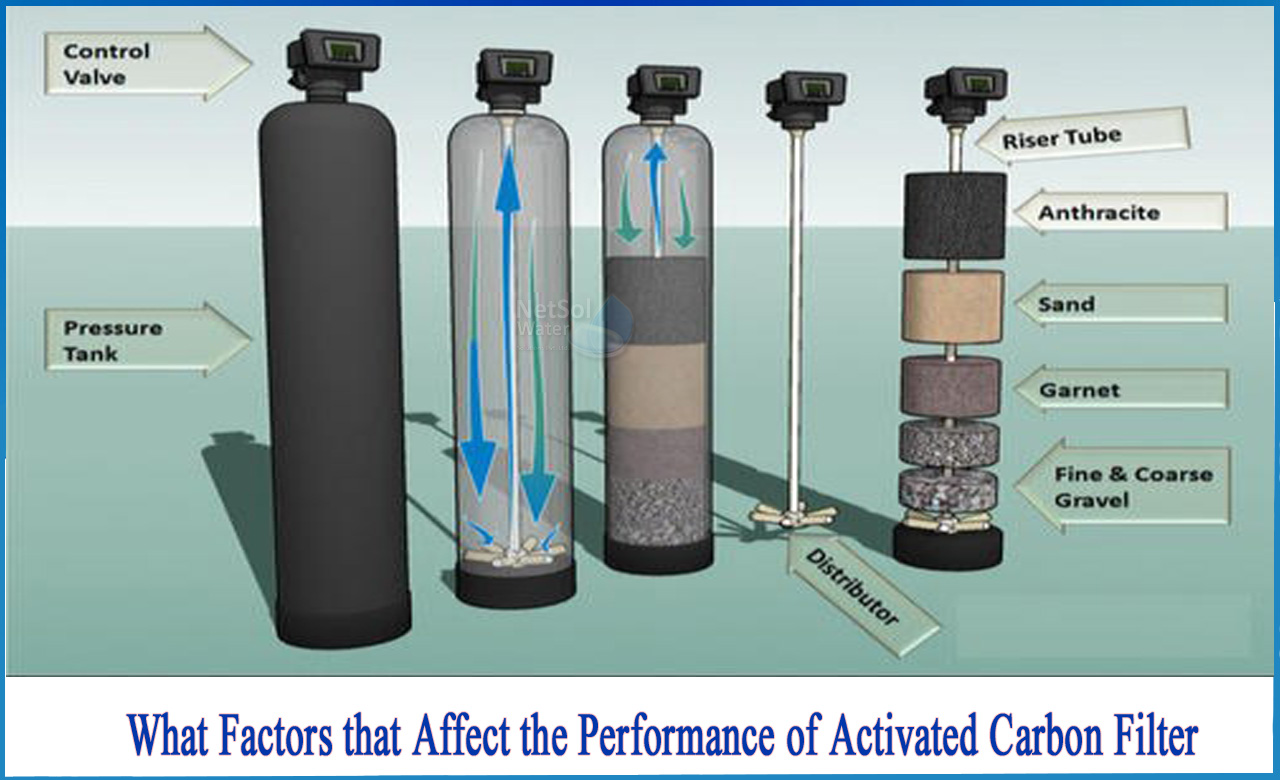
Ever wonder what’s actually in your tap water? It’s a bit of a mystery, right? Sure, it looks clear, but there’s a whole invisible world of stuff swimming around in there.
The Hero We Didn’t Know We Needed
That’s where catalytic carbon filter media comes in. Think of it as the super-charged cousin of the regular charcoal filter you might see in a fish tank. It doesn’t just catch things; it transforms them.
Why is that cool? Because regular carbon is like a sponge that soaks up bad stuff until it’s full and stops working. Catalytic carbon, on the other hand, is more like a tiny, tireless chemistry lab.
Must Read
How It Actually Works (Without the Headache)
Let’s get simple. Regular carbon grabs contaminants through a process called adsorption—they stick to its surface. But catalytic carbon takes it a step further by breaking down certain pollutants on a molecular level.
Imagine a messy room. A regular filter just shoves everything under the bed. A catalytic filter? It actually recycles the trash into harmless bits of air and water. Neat, huh?
This is especially brilliant for one troublemaker: chloramine. That’s the stuff many water plants add to kill bacteria, and it has that weird swimming pool smell. Regular carbon struggles with it, but catalytic carbon devours it.
Why Your Water Tastes Like a Mountain Stream
Have you ever had tap water that tastes like a band-aid? Or like dirt? That’s often from natural organic compounds or leftover disinfectant. Catalytic media is a flavor magician.
It strips out the bad tastes and smells without stripping the good minerals your body needs. So you get water that’s clean, crisp, and actually enjoyable to drink.
It’s like the difference between making coffee with stale tap water and fresh spring water. Huge difference, right?
The “Wow” Factor: It Fights the Invisible
Here’s where it gets fascinating. Catalytic carbon is amazing at removing hydrogen sulfide, which gives water that nasty “rotten egg” smell. Have you ever turned on a faucet and been hit with that stench?
That’s the catalytic media going to work. It literally oxidizes the sulfur molecule, turning it into something harmless. No more holding your breath when you shower.
 7 Best Activated Carbon Water Filters of 2024
And for the science-curious: it’s all about the surface chemistry. Regular carbon has a certain structure, but catalytic carbon is treated to have more reactive sites. More tiny “hands” to grab and crush bad guys.
A Tiny Upgrade, A Huge Payoff
You don’t need a giant industrial setup to use this stuff. Many home water filters, from whole-house systems to countertop pitchers, now use catalytic carbon media. It’s a simple upgrade with powerful results.
Think about it: your drinking water, your cooking water, even your pet’s water bowl. All improved. Your fish will thank you, too. Most fish are super sensitive to chloramine.
It’s also a low-maintenance hero. Because it’s so efficient at breaking things down, it often lasts longer than regular carbon before needing to be replaced. More work done, less work for you.
Is It Worth the Hype?
Look, I get it. “Catalytic carbon filter media” sounds like something from a sci-fi movie. But honestly, it’s one of those rare tech upgrades that makes a real, everyday difference.
Have you ever bought a new mattress and suddenly realized your old one was terrible? That’s the vibe. Once you try water treated with catalytic carbon, regular tap water just tastes… meh.
So, is it cool? Yes. Is it practical? Absolutely. Is it the secret to finally getting that perfect cup of tea? Let’s just say your kettle will never look the same.
Next time you fill your glass, give a little nod to the tiny, hard-working catalytic particles making it happen. They’re the quiet, super-powered guardians of your hydration.
