National Sanitation Foundation Certified Water Filters

Let’s be real for a second: water is weird. You turn on the tap, and out comes this clear liquid you’re supposed to trust with your morning coffee and your fancy avocado toast...
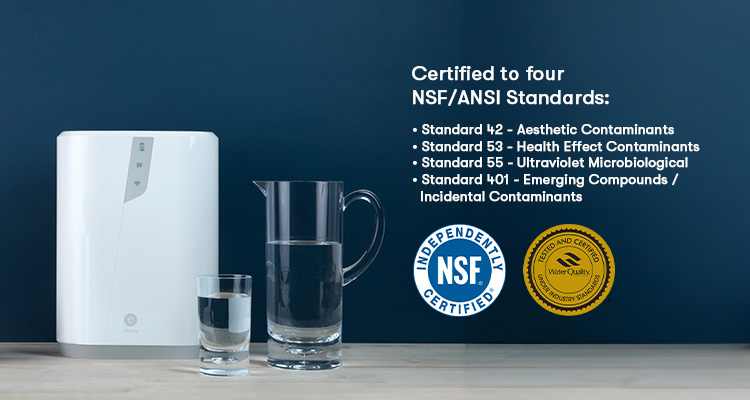
Let’s be real for a second: water is weird. You turn on the tap, and out comes this clear liquid you’re supposed to trust with your morning coffee and your fancy avocado toast. But have you ever taken a good, hard look at what’s actually hanging out in there? It’s like that one friend who shows up to the party looking fine, but you later find them eating the cheese dip off the floor.
The Jungle That Is Your Tap
Your tap water is basically a liquid road trip. It started as rain, rolled through dirt, swam past some fish, and then took a ride through old pipes that have seen more rust than a forgotten bicycle. By the time it hits your glass, it’s hauling a whole suitcase of stuff—chlorine (the pool vibe), little bits of lead (yikes), and sometimes microplastics (the glitter of the pollution world).
Now, I’m not saying your water is trying to pick a fight with your stomach. But it’s definitely not the same crisp mountain spring your grandma dreamed about. That’s where the National Sanitation Foundation, or NSF, steps in like a bouncer at a club that only lets in the good-looking molecules.
Must Read
Why NSF Is Your Water’s BFF
Think of the NSF certified label as a secret handshake between your water filter and your gut. It’s not just some sticker slapped on a plastic jug at the hardware store. When you see that NSF mark, it means a team of scientists in lab coats actually tested the filter. They didn’t just ask, “Hey, does it kinda work?” They ran it through the wringer, checking if it really yanks out the lead, the mercury, or the cysts (little parasites that are basically waterborne ninjas you don’t want to meet).
I’ll admit, I used to be the guy who bought the cheapest filter at the grocery store. It said “reduces bad stuff” on the box, and I was like, “Good enough, right?” That’s like buying a parachute from a guy in a van because it “looks sturdy.” My water tasted like a wet sock for weeks, and I kept picturing tiny bacteria doing synchronized swimming in my pitcher. Never again.
The “Is This Worth It?” Moment
You know the moment I’m talking about. You’re standing in the store, staring at a fancy pitcher filter that costs twice as much as the generic one. Your wallet is whispering, “C’mon, water is water.” But your brain is remembering that NSF certification is the difference between trusting a filter and knowing it works. It’s like choosing a GPS over a paper map you drew on a napkin after three beers.
A certified filter doesn’t just make your water taste better—it gives you the peace of mind that your morning hydration isn’t a game of Russian roulette. I swapped to an NSF-certified pitcher, and suddenly my tap water went from “meh” to “wait, is this from a spring?” It’s the kitchen equivalent of upgrading from a flip phone to a smartphone. You didn’t know you needed it until you’ve got it.
The Fine Print That Saves Your Dinner
Here’s the funny thing about filters: they all claim to be the hero, but only NSF backs it up with a certification number. You can actually go to the NSF website and type in that number to see exactly what the filter removes. It’s like checking a restaurant’s health grade before you order the ceviche. Some filters claim to remove lead, but they only tackle the taste of chlorine—like a friend who says they’ll help you move but only brings a bag of chips.
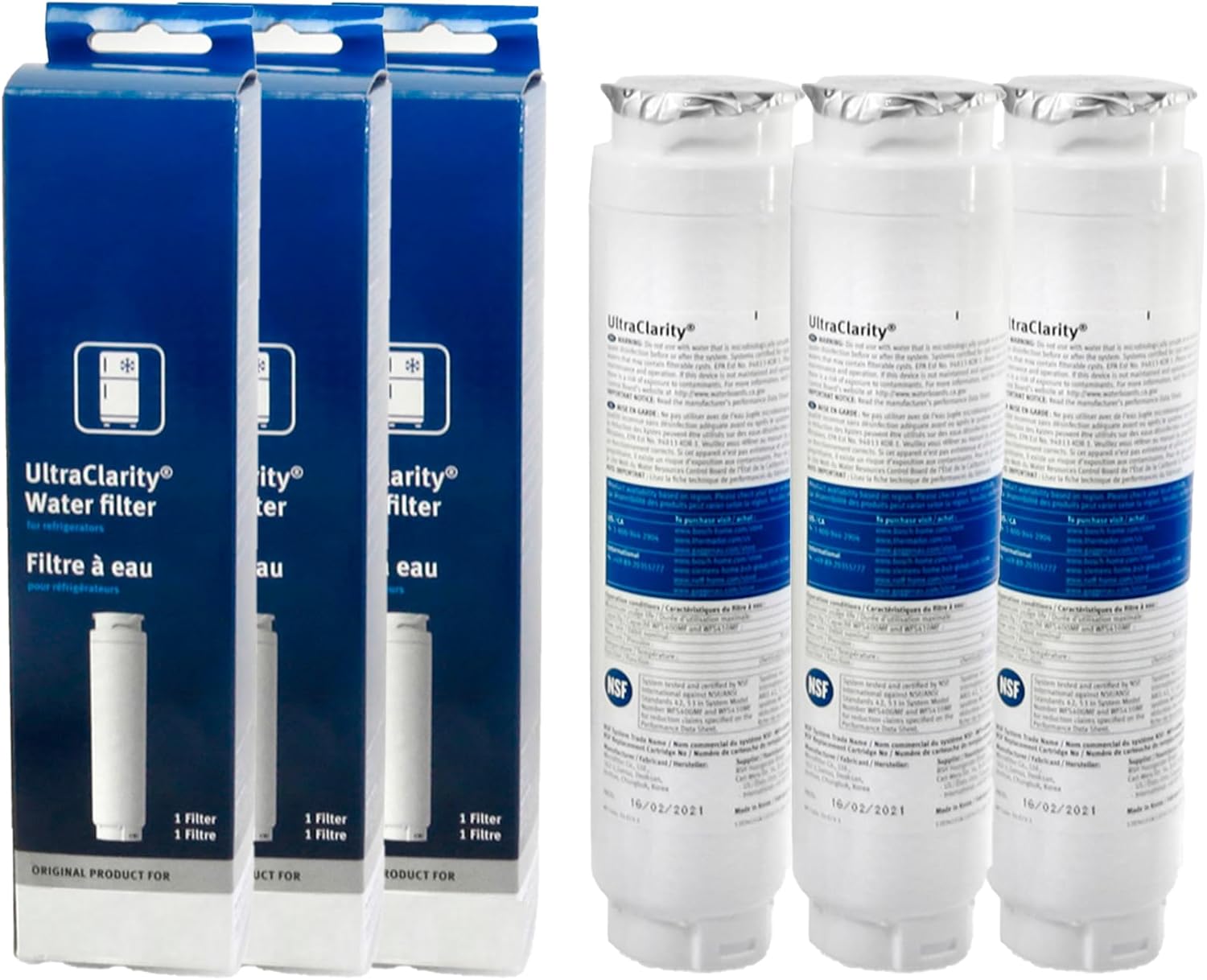 Amazon.com: US-Based Supplier – UltraClarity 11034152 BORPLFTR10
I once bought a countertop filter that didn’t have the NSF stamp. It was shaped like a rocket ship and looked super cool. Three days later, my water had this weird green tint, and I’m pretty sure I saw a tiny piece of charcoal floating in my pasta water. My dinner was ruined, and I had to explain to my wife why our spaghetti tasted like a campfire. Not my finest moment.
Real Talk: Your Water Wants to Be Good
The tap water from your city is usually fine—technically drinkable. But “fine” is like saying a movie is “okay” when you’re hoping for an Oscar winner. NSF-certified filters turn “fine” into “fantastic.” They pull out the VOCs (volatile organic compounds—basically chemical party crashers), the fluoride if you want, and even the pharmaceutical residues that somehow sneaked in. Yes, your water might have trace amounts of stuff your neighbor’s blood pressure medication left behind. Weird, right?
I keep a NSF-certified filter on my sink now, and it’s become my kitchen’s security guard. Whenever I fill my kettle, I imagine it giving the water a quick pat-down, checking its ID, and saying, “You’re clear, buddy.” It sounds silly, but it makes me drink more water. I’ve gone from a soda addict to a guy who carries a refillable bottle like a hiking enthusiast.
The Bottom Line (And Your Sink)
If you’re on the fence about spending a few extra bucks on a filter with that NSF stamp, just remember: you are literally pouring this stuff into your body. You put better fuel in your car than you put in your coffee maker. A certified filter is the easiest win you can get for your health without joining a gym or giving up pizza. It’s like getting a free upgrade on a flight—except the upgrade keeps you from sipping rust particles.
So go ahead, treat yourself. Find a filter that’s NSF-certified, set it up, and pour yourself a glass. Taste that clean, crisp, nothing-but-H2O goodness. Then look at your old tap and whisper, “You’re fired.” Your kidneys will thank you, and your taste buds will throw a little party. Just don’t invite the chlorine.
