Is Distilled Drinking Water The Same As Distilled Water

So, you’re standing in the grocery aisle, staring at a jug of water that says “Distilled Drinking Water,” and you’re thinking, “Isn’t that just fancy tap water that’s been bul...
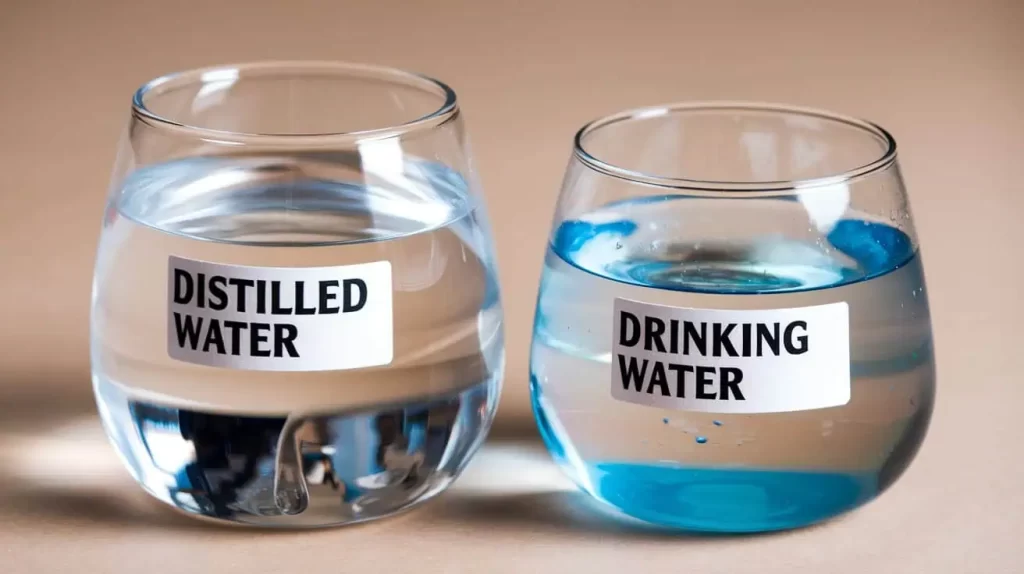
So, you’re standing in the grocery aisle, staring at a jug of water that says “Distilled Drinking Water,” and you’re thinking, “Isn’t that just fancy tap water that’s been bullied into purity?” Then your eye wanders to the hardware store section, where a gallon of “Distilled Water” sits next to a mop bucket. You start to sweat. Are they the same thing? Can you drink that one? Will your iron explode if you fill it with the fancy stuff from the fridge?
Let’s clear the air (and the water).
Yes, they are chemically identical. Both are water that has been boiled into steam, then condensed back into a liquid, leaving almost everything else behind. That means no minerals, no bacteria, no weird flavors—just H₂O, naked and shivering in its purest form.
But here’s the kicker: the difference is all about intent and packaging. The jug in the grocery aisle has been handled, bottled, and sold with the expectation that you’re going to gulp it down. The gallon at the hardware store expects to be poured into a steam iron, a car battery, or a lab experiment.
Must Read
One is a guest at your dinner table; the other is a workhorse in your laundry room. They’re the same liquid, but they lead very different lives.
So, can you drink the hardware store stuff?
Technically, yes. The water in that plastic jug is just as sterile and pure as the one from the organic market. But here’s where we get to the fun, eyebrow-raising part: most distilled water is not regulated as a food product.
That hardware-store gallon might have been sitting on a pallet next to a leaking bottle of bleach. Or it might have been stored in a warehouse where someone stores oddly shaped brooms. The Food and Drug Administration (FDA) has strict rules for drinking water; the hardware store’s jug? Not so much.
So, you can drink it, but it’s like eating a sandwich made by a clown—it’s fine in theory, but you’ll question every step of the journey.
Let’s get weird with the facts.
Did you know that distilled water is technically “dead” water? No, it won’t give you a ghost. But because it’s missing minerals like calcium and magnesium, it’s actually aggressively “hungry.” It will suck carbon dioxide right out of the air, making it slightly acidic (pH around 5.8).
That’s why distilled water tastes flat and weird to most people. Your tongue expects a little mineral zing, and instead, it gets a blank stare. Some folks say it tastes like “the inside of a wet sock.”
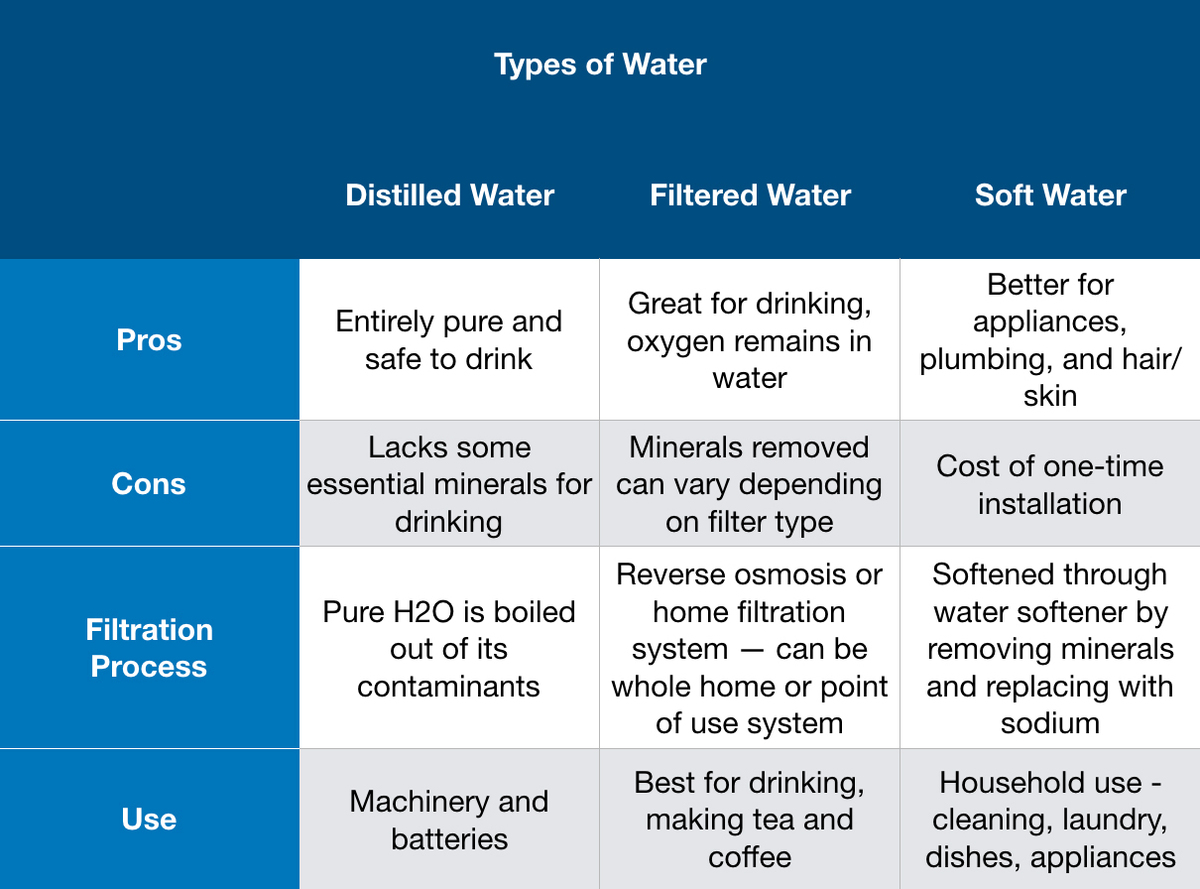 Distilled Vs Bottled Water , Difference Between Purified, Distilled
And here’s a wild party fact: if you drank nothing but distilled water for weeks, you could theoretically leach minerals from your body. But don’t panic—you’d have to drink gallons daily and eat a terrible diet for that to happen. Your kidneys are like bouncers at a club; they don’t let that nonsense slide.
What about those fancy “drinking” waters?
You’ll see “Steam Distilled Drinking Water” on shelves with a picture of a mountain. Marketing trick alert! They often add back a pinch of minerals for taste after distilling it. So, while the base water is distilled, the final product is technically not pure distilled water anymore.
Think of it like this: “Distilled” is pure vanilla extract; “Distilled Drinking Water” is vanilla extract with a drop of sugar. Both started in the same pot, but one went on to be a baker’s friend, and the other went to a cocktail party.
The real-world test.
Let’s imagine you’re at a friend’s house. They hand you a glass from a jug labeled “Distilled Water.” You take a sip. It tastes like the ghost of water. That’s the same flavor whether it was bought at a pharmacy, a grocery store, or a tractor supply shop.
But here’s the bottom line: if you need water for drinking, buy the one with a nutrition label and the word “Drinking” on it. It’s been certified as food-safe. If you need water for your iron, buy the cheap hardware-store jug. Do not swap them unless you enjoy the thrill of gambling with your health or your trousers.
One last joke: Why did the distilled water go to therapy? Because it had no minerals and felt empty inside. Ba-dum-tss.
So, to answer the eternal question: Yes, they are the same water, but they are not the same product. Drink the one that’s meant for drinking, and keep the other one for your appliances. Your stomach and your steam iron will thank you—with gurgles and steam, respectively.
